Loading
institutionsInstitution
National Cancer Institute (NIH)
The NCI is the US government's cancer research agency, spending ~$7B a year and running the Cancer Centers Program, TCGA, and Rosenberg's cell therapy lab.
Overview
The National Cancer Institute, part of the US National Institutes of Health in Bethesda, is the US government's cancer research agency; it runs the Cancer Centers Program that designates seventy-four centres, The Cancer Genome Atlas and its Genomic Data Commons, the RAS Initiative, the SEER registry and the cooperative groups NRG, SWOG, Alliance and ECOG-ACRIN. Its Surgery Branch under Rosenberg developed tumour-infiltrating lymphocyte therapy and neoantigen TCR-T, and its Pediatric MATCH and myeloMATCH trials, its CPTAC and PDQ resources and the JNCI journal all sit in OnCo. It is linked to bottlenecks on data silos, hidden failures, funding that follows fashion and slow translation, and to ideas for a national non-profit CRO and perpetual platform trials. Whether it can fund infrastructure rather than projects is the standing question. Douglas R. Lowy is among the people listed. The institutions linked below are the NCI-designated cancer centres in OnCo, its intramural Center for Cancer Research and the Frederick National Laboratory; the trials are those whose sponsor field names the NCI.
Location
Bethesda, MD, US
Type
government
Website
Newsweek 2026 oncology rank
Not in top 300 listing used
OnCo score
#2 · 306 points (0 Newsweek + 0 NCI + 306 from 153 linked objects) · ranking
Research output
From OpenAlex, oncology works in the last five years (2022 to 2026, current year in progress); counted on 2026-09-24.
Matched to National Cancer Institute, including child institutions. 2,852 works · 46,921 citations · 78% open access · 10% clinical trials · 2% reviews.
Oncology works per year
6032022
6692023
5822024
6042025
3942026
Most works
- Nirali N. Shah122 works
- Elad Sharon69 works
- James L. Gulley69 works
- Marcela Valderrama Maus64 works
- Suresh V. Ambudkar55 works
- Jeffrey Schlom53 works
- Meredith S. Shiels47 works
- Steven A. Rosenberg47 works
- Anish Thomas45 works
- Steven Lorenz Highfill44 works
Most cited
- Cancer Centers Program (74 centres)
- TCGA / GDC
- Cooperative groups
- Surgery Branch cell therapy
Alice P. Chen
Medical oncologist, Division of Cancer Treatment and Diagnosis, National Cancer Institute
Early-phase trialsRare cancersPrecision oncology trials
NCI oncologist who led the trial that showed atezolizumab produces lasting responses in alveolar soft part sarcoma, the first approved treatment for this rare cancer.
Anthony Letai
Director, National Cancer Institute
ApoptosisBH3 profilingFunctional precision medicine
Invented BH3 profiling, the functional test behind venetoclax's success, before becoming NCI director.
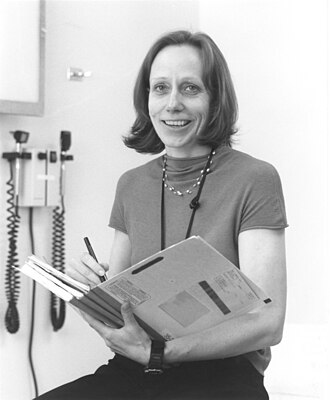
Brigitte C. Widemann
Chief, Pediatric Oncology Branch; Special Advisor to the NCI Director for Childhood Cancer
Paediatric oncologyNeurofibromatosisMEK inhibitors
Led the selumetinib trials that gave children with neurofibromatosis their first approved drug.

Douglas R. Lowy
Principal Deputy Director, National Cancer Institute
HPV biologyVaccine developmentCancer prevention
Co-developed the HPV vaccine technology that is eliminating cervical cancer in vaccinated populations.
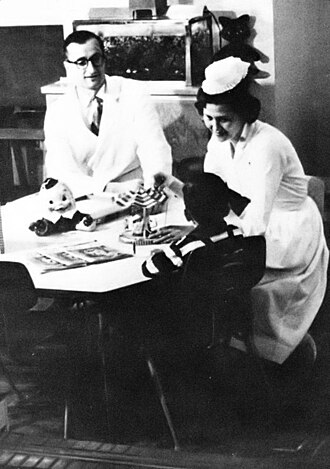
Emil "Tom" Frei III
Pioneer of combination chemotherapy; long-time physician-in-chief of Dana-Farber
Combination chemotherapyAcute leukaemiaHodgkin lymphoma
With Emil Freireich he showed that combinations of drugs could cure childhood leukaemia, then extended the idea to Hodgkin lymphoma and to adjuvant treatment after surgery.
Emil J Freireich
Pioneer of combination chemotherapy and the cure of childhood leukaemia
Acute lymphoblastic leukaemiaCombination chemotherapySupportive care
At the NCI in the early 1960s he and Emil Frei gave children four drugs at once, VAMP, against fierce opposition, and turned a leukaemia almost no child survived into a curable one. He also worked out platelet transfusion.
Fran Visco
Founding president of the National Breast Cancer Coalition
Breast cancer advocacyResearch policyPatient participation in peer review
A lawyer treated for breast cancer in 1987 who built the National Breast Cancer Coalition and won the Department of Defense breast cancer programme, the first to put trained patient advocates on scientific review panels.
Frank McCormick
Professor, UCSF Helen Diller Family Comprehensive Cancer Center; former Scientific Lead, NCI RAS Initiative
RAS biologySignal transductionDrug discovery
RAS biologist who founded Onyx Pharmaceuticals and led the NCI's national effort to drug RAS.
James L. Gulley
Co-Director, Center for Immuno-Oncology, Center for Cancer Research
Genitourinary cancersCancer vaccinesBifunctional immunotherapies
Runs NCI's immuno-oncology clinical programme, from prostate cancer vaccines to bifunctional checkpoint fusion proteins.
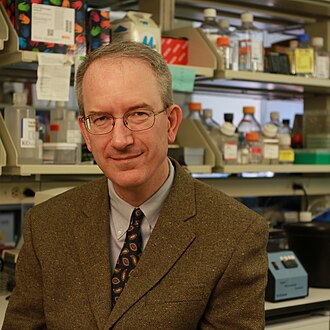
Louis M. Staudt
Director, Center for Cancer Genomics; Chief, Lymphoid Malignancies Branch
Lymphoma genomicsMolecular subtypes of DLBCLBTK signalling
Louis Staudt defined the molecular subtypes of large B-cell lymphoma that guide targeted therapy.
Mark Schiffman
Senior Investigator, Division of Cancer Epidemiology and Genetics, National Cancer Institute
HPV natural historyCervical screeningRisk-based management
NCI epidemiologist whose HPV natural history studies underpin HPV-based cervical screening and risk-based management worldwide.
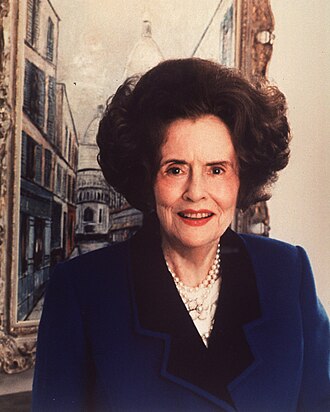
Mary Lasker
Philanthropist and lobbyist behind the National Cancer Act of 1971
Research fundingHealth policyCancer advocacy
She turned the American Cancer Society into a research funder in the 1940s, built the Lasker Awards, and led the lobbying that produced the 1971 National Cancer Act and the modern NCI budget.
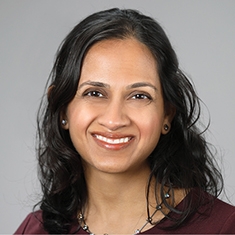
Nirali N. Shah
Head, Hematologic Malignancies Section, Pediatric Oncology Branch
Paediatric leukaemiaCAR-TCD22
Nirali Shah developed CD22 CAR-T for children whose leukaemia escaped CD19 therapy.
Raffit Hassan
Chief, Thoracic and GI Malignancies Branch
MesotheliomaMesothelin-targeted therapyImmunotoxins
Made mesothelin a drug target, from immunotoxins to ADCs and CAR-T, and leads NCI's mesothelioma programme.
Rose Kushner
Journalist who ended the one-step mastectomy and put patients in the room
Breast cancerInformed consentPatient advocacy
Diagnosed in 1974, she refused the standard practice of biopsy and mastectomy under one anaesthetic without the patient's say. Her campaign made the two-step procedure and informed choice the norm.
Samuel A. Wells Jr.
Endocrine surgeon and clinical investigator
Medullary thyroid cancerMultiple endocrine neoplasia type 2Prophylactic thyroidectomy
American surgeon who pioneered removing the thyroid in children with inherited RET mutations before cancer develops, led ZETA, the trial that established vandetanib for medullary thyroid cancer, and chaired the American Thyroid Association guideline for the disease.

Steven A. Rosenberg
Chief, Surgery Branch, Center for Cancer Research
Adoptive cell therapyTIL therapyNeoantigen-specific T cells
Father of cancer immunotherapy: first to cure patients with IL-2 and with their own tumour-infiltrating lymphocytes.
Wyndham H. Wilson
Senior Investigator and Head, Lymphoma Therapeutics Section, National Cancer Institute Center for Cancer Research
Aggressive lymphomaDose-adjusted EPOCHPrimary mediastinal lymphoma
Developed dose-adjusted EPOCH-R, the regimen that cures primary mediastinal B-cell lymphoma without radiotherapy.
Senthil K. Muthuswamy
Director, Center for Cancer Research, National Cancer Institute
Cancer cell biologyOrganoid modelsBreast and pancreatic cancer
Cancer biologist who directs the National Cancer Institute's Center for Cancer Research, the large intramural research programme in Bethesda.
observationalAmerican Journal of Epidemiology 20244 citations
Gallbladder cancer mortality in Chile: has the government program targeting young gallstone patients had an impact?
The most rigorous evaluation of the Chilean programme available; read alongside Mardones and Frenz (2019) and Samaniego and colleagues (2024).
reviewNature Reviews Disease Primers 2022315 citations
Gallbladder cancer
The best single starting point for a clinician or researcher new to the disease, written by the groups running the Chilean and Indian cohorts; its list of unmet needs is the skeleton of the ideas section on this page.
meta analysisThe Lancet Oncology 2022changed practice430 citations
Residual cancer burden after neoadjuvant chemotherapy and long-term survival outcomes in breast cancer: a multicentre pooled analysis of 5161 patients
The external validation the 2017 paper asked for; it is why residual cancer burden is reported in UK and European pathology and used as a trial entry criterion rather than an MD Anderson curiosity.
translationalJournal of Clinical Oncology 2021changed practice374 citations
C-144-01: lifileucel, tumour-infiltrating lymphocytes grown from a patient's own tumour, in melanoma after checkpoint inhibitors have failed
Lifileucel proved that Steven Rosenberg's decades-old TIL concept could be industrialised into a licensed product and gave patients with checkpoint-refractory melanoma, who otherwise have few options, a chance of durable remission. It is the first cell therapy approved for any solid tumour. The treatment requires surgery to harvest tumour, hospitalisation for lymphodepletion and IL-2, and specialised centres, so its reach is limited.
basicNature Genetics 2021221 citations
Genomic and evolutionary classification of lung cancer in never smokers
Lung cancer in never-smokers is not smokers' lung cancer with the smoking removed; it is a different set of diseases with a different clock. The slow-growing piano subtype in particular is the argument that a screening test aimed at never-smokers would need to look for something other than what low-dose computed tomography was built to find.
methodsCancer Cell 2020
A probabilistic classification tool for genetic subtypes of diffuse large B cell lymphoma with therapeutic implications
The piece that turns a research classification into something a trial can use on one person's biopsy, with a probability attached rather than a flat label. It is the reason genetics-directed lymphoma trials became possible at all.
rctJournal of Clinical Oncology 2019changed practice
Dose-adjusted EPOCH-R compared with R-CHOP as frontline therapy for diffuse large B-cell lymphoma: clinical outcomes of the phase III intergroup trial Alliance/CALGB 50303
R-CHOP remains the standard first-line regimen for diffuse large B-cell lymphoma. The trial is also the clearest lesson in the disease about adopting a regimen on single-arm data: dose-adjusted EPOCH-R had been used widely for a decade before this comparison existed.
basicNew England Journal of Medicine 2018
Genetics and pathogenesis of diffuse large B-cell lymphoma
The genetic nosology that precision-medicine trials in diffuse large B-cell lymphoma now use to pick patients. It gives a mechanism, not just a label: two of the four subtypes point at a drug class that already exists.
9 more, oldest last
TCGA Pan-Cancer Atlas: 10,000 tumours across 33 cancer types, classified by molecular featuresIntegrated genomic characterization of pancreatic ductal adenocarcinomaSalmonella enterica serovar Typhi and gallbladder cancer: a case-control study and meta-analysisUS incidence of breast cancer subtypes defined by joint hormone receptor and HER2 statusComprehensive molecular characterization of human colon and rectal cancerNLST: yearly low-dose CT scans cut lung cancer deaths in heavy smokersScreening by chest radiograph and lung cancer mortality: the Prostate, Lung, Colorectal, and Ovarian (PLCO) randomized trialThe use of molecular profiling to predict survival after chemotherapy for diffuse large-B-cell lymphomaThe risk of cancer associated with specific mutations of BRCA1 and BRCA2 among Ashkenazi Jews
Similar pages
- InstitutionCancer Research UK
Shares Publish per-patient trial cost benchmarks and target halving them, A public registry of unanswered clinical questions linked to funding calls, Disclose R&D and manufacturing costs of publicly funded cancer drugs to get coverage, Grant progress reports must list what did not work.
- TechnologyProton therapy machines: cyclotrons, synchrotrons and single-room systems
Shares Sylvester Comprehensive Cancer Center, University of Miami, University of Maryland Marlene and Stewart Greenebaum Comprehensive Cancer Center, Mayo Clinic Comprehensive Cancer Center in Arizona, The University of Kansas Cancer Center.
- TechnologyProton therapy
Shares Case Comprehensive Cancer Center, O'Neal Comprehensive Cancer Center at UAB, MUSC Hollings Cancer Center, Sylvester Comprehensive Cancer Center, University of Miami.
- InstitutionAmerican Society of Clinical Oncology (ASCO)
Shares Every payer covers routine care costs for trial participants, in every country, Lay trial navigators funded per centre, evaluated in a randomised trial, Stop excluding people with a prior cancer, controlled HIV, or treated hepatitis, A public equity index for trial sites and sponsors, tied to funding.
- TermBasket, umbrella, and platform trials
Shares ComboMATCH (EAY191), One master trial for cancer prevention drugs across many precancers, Lung-MAP S1400I: nivolumab with or without ipilimumab, A perpetual platform trial in every major cancer, funded as infrastructure.
technologies
After treatment in the United States: the survivorship care plan, and what the trial foundCancer registries and population surveillanceCommunity oncology and site networksGenomics cloud and secure research environmentsPRO-CTCAE: side effects graded by the person having themSmoking cessation in cancer patientsTCR-T cell therapyTIL therapy
companies
institutions
Abramson Cancer Center, University of PennsylvaniaAdvanced Research Projects Agency for HealthAtrium Health Wake Forest Baptist Comprehensive Cancer CenterBarbara Ann Karmanos Cancer InstituteCancer Center at IllinoisCancer Grand ChallengesCancer Institute of Iran, Imam Khomeini Hospital ComplexCancer Prevention and Research Institute of TexasCase Comprehensive Cancer CenterChao Family Comprehensive Cancer Center, UC IrvineCity of HopeCleveland Clinic Taussig Cancer InstituteClinical Data Interchange Standards ConsortiumCold Spring Harbor LaboratoryDan L Duncan Comprehensive Cancer Center, Baylor College of MedicineDana-Farber Brigham Cancer CenterDartmouth Cancer CenterDavid H. Koch Institute for Integrative Cancer Research at MITDuke Cancer InstituteFDA Oncology Center of ExcellenceFox Chase Cancer CenterFred & Pamela Buffett Cancer CenterFred Hutchinson Cancer CenterFrederick National Laboratory for Cancer ResearchGeorgetown Lombardi Comprehensive Cancer CenterHarold C. Simmons Comprehensive Cancer Center, UT SouthwesternHerbert Irving Comprehensive Cancer Center, Columbia UniversityHL7 InternationalHolden Comprehensive Cancer Center, University of IowaHuntsman Cancer Institute, University of UtahIndiana University Melvin and Bren Simon Comprehensive Cancer CenterJohns Hopkins Hospital / Sidney Kimmel Comprehensive Cancer CenterLaura and Isaac Perlmutter Cancer Center at NYU Langone HealthMarkey Cancer Center, University of KentuckyMasonic Cancer Center, University of MinnesotaMassachusetts General Hospital Cancer CenterMayo ClinicMayo Clinic Comprehensive Cancer Center in ArizonaMayo Clinic Comprehensive Cancer Center in FloridaMays Cancer Center at UT Health San AntonioMD Anderson Cancer CenterMemorial Sloan Kettering Cancer CenterMoffitt Cancer CenterMontefiore Einstein Comprehensive Cancer CenterMUSC Hollings Cancer CenterNCI Center for Cancer Research (intramural programme)O'Neal Comprehensive Cancer Center at UABOHSU Knight Cancer Instituteand 42 more →
pathways
terms
trials
ALCHEMIST (Adjuvant Lung Cancer Enrichment Marker Identification and Sequencing Trials)Alliance/CALGB 50303CALGB 40603 (Alliance)Childhood Cancer Survivor Study (CCSS)ComboMATCH (EAY191)DART (SWOG S1609): nivolumab plus ipilimumab in rare tumoursECOG-ACRIN EA1131Lung-MAP (SWOG S1400 and S1900)Lung-MAP S1400I: nivolumab with or without ipilimumabLung-MAP S1800A: ramucirumab plus pembrolizumabMosunetuzumab against rituximab in low tumour burden follicular lymphomamyeloMATCHNCI-COG Pediatric MATCH (APEC1621)NCI-MATCH (EAY131)NLST & NELSON (low-dose CT screening)Pembrolizumab with or without anetumab ravtansine in mesothelin-positive pleural mesothelioma (NCI)SWOG S1418 / NRG BR006Vanguard Study (NCI Cancer Screening Research Network)ZEN-3694 with abemaciclib in NUT carcinoma, breast cancer and other solid tumours (NCI phase 1)ZEN-3694 with platinum chemotherapy in NUT carcinoma (NCI phase 1/2)
roadmaps
ctDNA tests roadmap: from a curiosity in plasma to blood tests that decide treatmentDrug discovery roadmap: screening in mice → maps of dependency → designing in silicoGallbladder cancer roadmap: from a chance finding at gallstone surgery to a disease with its own trialsLymphoma roadmap: from a jaw tumour in Uganda and the first human cancer virus to gene-expression subtypes, PET-adapted chemotherapy, CAR-T cells, bispecific antibodies and the genetics-directed trials now recruitingTrial modernisation roadmap: the randomised trial → platforms and adaptive designs → decentralised, pragmatic and always-onTriple-negative breast cancer roadmap: from a remainder defined by three negative tests to immunotherapy, antibody-drug conjugates and the residual disease problem
ideas
A burden-to-funding audit for gallbladder cancer and a dedicated research callA home for the animal and organoid experiments that failedA lifelong late-effects registry linked to every treatment for adult survivorsA national non-profit contract research organisation for academic oncology trialsA national platform trial that every ctDNA-positive patient can joinA perpetual platform trial in every major cancer, funded as infrastructureA public biomarker validation utility with pre-diagnostic biobanks and blinded testingA public equity index for trial sites and sponsors, tied to fundingA public registry of unanswered clinical questions linked to funding callsA public-benefit phase 1 factory that takes academic discoveries into first-in-human trialsA publicly held library of investigational drugs available for academic combination trialsA shared compound library that rare cancer researchers can actually useA standard cross-company combination agreement that takes weeks, not years, to signAdd a cheap-drug factorial arm to every cooperative-group adjuvant cancer trialAfter approval, a pragmatic trial in the patients the pivotal trial excludedAn open organoid bank for cancers too rare to have modelsApply Project Optimus to drugs already on the marketAt least a third of pivotal-trial sites in community and rural settingsBurden-weighted portfolio targets for every major cancer funderCommunity health workers and trusted local organisations paid to recruit for trialsDefault-inclusive eligibility: sponsors must justify every exclusion criterionDisclose R&D and manufacturing costs of publicly funded cancer drugs to get coverageDiversity action plans with consequences: unmet targets trigger post-approval requirementsEvery payer covers routine care costs for trial participants, in every countryFund investigators from under-represented communities and community sites to lead trialsFund trials that test shorter courses of the most expensive adjuvant drugsFunders set aside a fixed share of budget for independent replicationGrant progress reports must list what did not workJudge funding programme officers on burden alignment and trials completedLay trial navigators funded per centre, evaluated in a randomised trialLiving plain-language evidence summaries for every common cancer question in 20 languagesMandatory machine-readable portfolio reporting for all large cancer fundersMobile research units bring trial visits to rural townsMulti-centre randomised animal trials before committing to a human trialOne master trial for cancer prevention drugs across many precancersOne national master contract and budget template for all cancer trialsOne standing umbrella trial for all rare cancers in a countryOpen-source protocol and statistical analysis plan templates with runnable codePaid community advisory boards with power to change protocol burdenPay a flat fee for giving a Part B drug instead of 6% of its pricePay a prize for rare cancer drugs instead of hoping for a marketPet dogs with spontaneous cancer as a bridge before human trialsPick the laboratory model that matches the patient, not the one to handPre-register animal efficacy studies like clinical trialsPublicly funded cancer AI must release open weights and model cardsPublish per-patient trial cost benchmarks and target halving themRandomised trials of how to spread proven cancer treatments, not just what worksRedesign Chile's prophylactic cholecystectomy programme around risk, and evaluate it properlyand 8 more →
collections
CPTAC (Clinical Proteomic Tumor Analysis Consortium)NCI Cancer Information ServiceNCI CDAS: NLST and PLCO screening trial dataNCI Imaging Data Commons (IDC)NCI PDQ Cancer Information SummariesNCI-Designated Cancer CentersSEER (Surveillance, Epidemiology, and End Results)TCGA / NCI Genomic Data CommonsThe Cancer Imaging Archive (TCIA)
people
bottlenecks
Data silosFailures are hiddenFunding follows fashion, not burdenIncentives reward me-too drugs and marginal gainsKnowledge reaches practice too slowlyLab models that fail to predict what happens in patientsMetastasis is understood least and studied lastMisinformation and unproven therapiesNo incentive to repurpose cheap drugsPatients lack understanding, navigation and agencyPreclinical results do not reproducePrevention we already have is not deployedRare and paediatric cancers without marketsSecrecy and intellectual property block collaborationSurvivorship and late effects are neglectedThe hardest cancers are found lateThe undruggable driversThe valley of death between lab and productToo many combinations to testToxicity and quality of life are undervaluedTrial design, endpoints and costTrials do not represent the people who get cancerTrials enrol too few, too slowlyWeak real-world evidence and registries
key papers
A probabilistic classification tool for genetic subtypes of diffuse large B cell lymphoma with therapeutic implicationsC-144-01: lifileucel, tumour-infiltrating lymphocytes grown from a patient's own tumour, in melanoma after checkpoint inhibitors have failedComprehensive molecular characterization of human colon and rectal cancerDose-adjusted EPOCH-R compared with R-CHOP as frontline therapy for diffuse large B-cell lymphoma: clinical outcomes of the phase III intergroup trial Alliance/CALGB 50303Gallbladder cancerGallbladder cancer mortality in Chile: has the government program targeting young gallstone patients had an impact?Genetics and pathogenesis of diffuse large B-cell lymphomaGenomic and evolutionary classification of lung cancer in never smokersIntegrated genomic characterization of pancreatic ductal adenocarcinomaNLST: yearly low-dose CT scans cut lung cancer deaths in heavy smokersResidual cancer burden after neoadjuvant chemotherapy and long-term survival outcomes in breast cancer: a multicentre pooled analysis of 5161 patientsSalmonella enterica serovar Typhi and gallbladder cancer: a case-control study and meta-analysisScreening by chest radiograph and lung cancer mortality: the Prostate, Lung, Colorectal, and Ovarian (PLCO) randomized trialTCGA Pan-Cancer Atlas: 10,000 tumours across 33 cancer types, classified by molecular featuresThe risk of cancer associated with specific mutations of BRCA1 and BRCA2 among Ashkenazi JewsThe use of molecular profiling to predict survival after chemotherapy for diffuse large-B-cell lymphomaUS incidence of breast cancer subtypes defined by joint hormone receptor and HER2 status
journals
Open-source projects
All open source in oncology →Open-source projects that this organisation maintains, from OnCo's own catalogue: licence and last activity as the repository reported them on the day of the fetch. Listing is not endorsement; check the licence before reuse and the validation before clinical use.
The command-line client for downloading from the NCI Genomic Data Commons, home of TCGA, TARGET and CPTAC genomics.
The schema that defines every entity and field in the Genomic Data Commons.
The portal of the Human Tumor Atlas Network, the NCI's single-cell and spatial atlases of tumour evolution.
The NCI's Breast Cancer Risk Assessment (Gail) model as an R package.
The NCI's tool for building and validating absolute risk models, used for breast and other cancer risk prediction.
The National Cancer Institute's evidence-based summaries on treatment, screening, genetics and supportive care in patient and health professional versions; US government work in the public domain.
National Cancer Institute (NIH)Project pageThe NCI's reference terminology for cancer research and care, free to download and use.
National Cancer Institute (NIH)Project pageThe NCI's free training on cancer registration, anatomy, staging and coding, used by registrars worldwide.
National Cancer Institute (NIH)Project page
Software in use
The software of oncology →Commercial and regulated products that this organisation sells. Each card says what is behind it: a regulator's database, the literature, a public body's list, or only the company's own words. Listing is not endorsement, and a clearance is a regulatory fact, not a clinical one.
The analysis software for the United States cancer registry data: incidence, survival and prevalence statistics computed from SEER itself.