Loading
institutionsInstitution

MD Anderson Cancer Center
MD Anderson is the largest cancer centre in the world by patient volume, with the biggest phase 1 programme and a leading CAR-NK effort.
Overview
MD Anderson Cancer Center in Houston, part of the University of Texas and founded in 1941, is the largest cancer centre in the world by patient volume and holds NCI comprehensive designation and second place in the Newsweek/Statista oncology ranking. It runs the biggest early-phase trial unit anywhere, the Moon Shots programme, a proton therapy centre and a leading CAR-NK effort with Takeda, and its breast group under Symmans defined the Residual Cancer Burden index used to grade response after neoadjuvant treatment. OnCo links it to LACC in cervical cancer and the ROAR anaplastic thyroid cohort, to work on the gut microbiome and dietary fibre in immunotherapy response, and to pathways from cancer neuroscience to cachexia. Whether its scale translates into faster answers than smaller centres remains a fair question. The people listed here show who leads which programme.
Location
Houston, US
Type
cancer center · University of Texas
Website
Newsweek 2026 oncology rank
#2
NCI designation
comprehensive
OnCo score
#3 · 229 points (58 Newsweek + 15 NCI + 156 from 78 linked objects) · ranking
Research output
From OpenAlex, oncology works in the last five years (2022 to 2026, current year in progress); counted on 2026-09-24.
Matched to The University of Texas MD Anderson Cancer Center, including child institutions. 6,742 works · 95,559 citations · 62% open access · 15% clinical trials · 2% reviews.
Oncology works per year
1,4522022
1,5602023
1,3742024
1,3342025
1,0222026
Most works
- Scott Kopetz163 works
- Sairah Ahmed150 works
- Sattva S. Neelapu150 works
- John V. Heymach145 works
- Loretta J. Nastoupil131 works
- Matthew H. G. Katz128 works
- Funda Meric‐Bernstam122 works
- Anirban Maitra116 works
- Frederick Lundry Locke114 works
- Jason R. Westin107 works
Most cited
- Phase 1 trials
- CAR-NK
- Residual Cancer Burden index
- Proton therapy
- Moon Shots
Albert C. Koong
Chair, Department of Radiation Oncology, MD Anderson
Radiation oncologyPancreatic cancerStereotactic radiotherapy
Albert Koong is a radiation oncologist leading MD Anderson's radiation department, with a focus on pancreatic cancer and SBRT.
Anirban Maitra
Scientific Director, Sheikh Ahmed Center for Pancreatic Cancer Research, MD Anderson
Pancreatic cancerEarly detectionCancer pathology
Anirban Maitra is a pancreatic cancer pathologist working on catching the disease early and understanding its precursors.
Ashish M. Kamat
Professor of Urology and Cancer Biology, MD Anderson Cancer Center
Non-muscle-invasive bladder cancerBCG immunotherapyUrologic oncology
Urologist who set the definitions for BCG-unresponsive bladder cancer and leads the International Bladder Cancer Group.
Christopher R. Flowers
Division Head, Cancer Medicine; Chair, Lymphoma and Myeloma, MD Anderson
LymphomaHealth outcomesClinical trials
Christopher Flowers is a lymphoma specialist who leads MD Anderson's entire medical oncology division.
Courtney D. DiNardo
Professor of Leukemia, MD Anderson Cancer Center
Acute myeloid leukaemiaVenetoclax combinationsIDH inhibitors
Led VIALE-A, which made venetoclax plus azacitidine the standard for older patients with acute myeloid leukaemia.
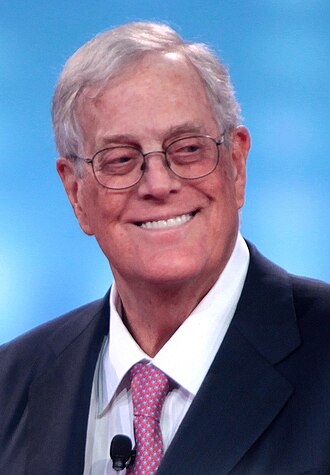
David H. Koch
Prostate cancer patient whose gifts built the MIT Koch Institute and the MSK Koch Center for Cancer Care
Cancer research buildingsEngineering and cancer biologyProstate cancer
Treated for prostate cancer from 1992, he gave MIT $100 million in 2007 to build an institute that puts engineers and cancer biologists under one roof, and MSK $150 million in 2015 for a new outpatient cancer building.
David M. Gershenson
Gynaecologic oncologist, MD Anderson Cancer Center
Low-grade serous ovarian cancerRare ovarian tumoursHormonal and MEK-directed therapy
Houston gynaecologic oncologist who defined low-grade serous ovarian cancer as a distinct disease and led GOG 281, the trial that showed the MEK inhibitor trametinib works better than standard treatments for it.
Debu Tripathy
Chair, Department of Breast Medical Oncology, MD Anderson
Breast cancerEndocrine therapyClinical trials
Leads one of the largest breast medical oncology departments, and led the ribociclib trial in premenopausal women.
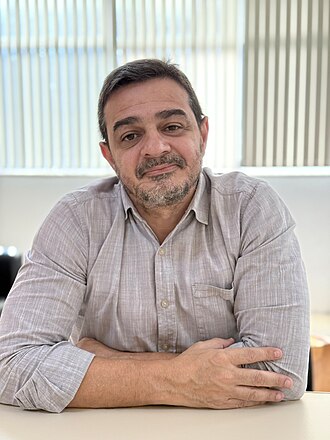
Elias Jabbour
Professor of Leukemia, MD Anderson Cancer Center
Adult acute lymphoblastic leukaemiaAntibody and bispecific therapyChemotherapy-free regimens
Leukaemia specialist who built chemotherapy-light regimens combining inotuzumab, blinatumomab and ponatinib for adult ALL.
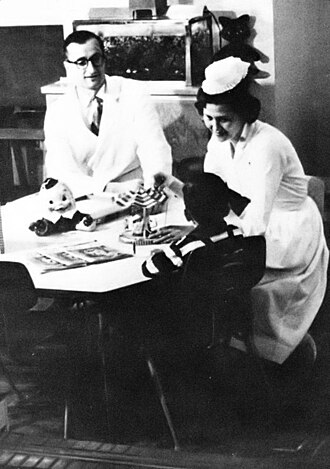
Emil "Tom" Frei III
Pioneer of combination chemotherapy; long-time physician-in-chief of Dana-Farber
Combination chemotherapyAcute leukaemiaHodgkin lymphoma
With Emil Freireich he showed that combinations of drugs could cure childhood leukaemia, then extended the idea to Hodgkin lymphoma and to adjuvant treatment after surgery.
Emil J Freireich
Pioneer of combination chemotherapy and the cure of childhood leukaemia
Acute lymphoblastic leukaemiaCombination chemotherapySupportive care
At the NCI in the early 1960s he and Emil Frei gave children four drugs at once, VAMP, against fierce opposition, and turned a leukaemia almost no child survived into a curable one. He also worked out platelet transfusion.
Eric Jonasch
Genitourinary medical oncologist, MD Anderson Cancer Center
Kidney cancerVon Hippel-Lindau diseaseHIF-2α inhibitors
Houston oncologist who led the trial that established belzutifan, the first drug for the tumours of von Hippel-Lindau disease, including kidney cancers, pancreatic tumours and haemangioblastomas.
Ferdinandos Skoulidis
Associate Professor of Thoracic/Head and Neck Medical Oncology, MD Anderson Cancer Center
KRAS-mutant lung cancerCo-mutations and immunotherapy resistanceTargeted therapy
Led CodeBreaK 100, the trial that made sotorasib the first approved KRAS inhibitor, and showed STK11/KEAP1 co-mutations blunt immunotherapy.
Funda Meric-Bernstam
Chair, Investigational Cancer Therapeutics, MD Anderson
Phase 1 trialsPrecision oncologyHER2
Funda Meric-Bernstam runs the world's largest phase 1 programme and led the tumour-agnostic HER2 ADC study.
Gabriel N. Hortobagyi
Professor of Breast Medical Oncology, MD Anderson Cancer Center
Breast cancerCDK4/6 inhibitorsEndocrine therapy
Breast oncologist who led MONALEESA-2, the first CDK4/6 trial to show an overall survival gain in first-line HR-positive disease.
Ghayas C. Issa
Associate Professor of Leukemia, MD Anderson Cancer Center
Acute leukaemiaMenin inhibitorsKMT2A-rearranged leukaemia
First author of the revumenib trial that created the menin inhibitor class for acute leukaemia.
Giulio Draetta
Chief Scientific Officer, MD Anderson Cancer Center
Cancer biologyDrug discoveryTranslational research
MD Anderson's chief scientist, a cell-cycle biologist who ran drug discovery in industry before leading the centre's research.
Hagop M. Kantarjian
Chair, Department of Leukemia, MD Anderson
LeukaemiaCMLALL
Hagop Kantarjian is one of the most prolific leukaemia investigators alive, and helped bring more than a dozen leukaemia drugs to approval.
Hussein A. Tawbi
Professor and Deputy Chair, Department of Melanoma Medical Oncology, MD Anderson Cancer Center
MelanomaBrain metastasesLAG-3 blockade
Led RELATIVITY-047, which made relatlimab the first approved LAG-3 inhibitor, and the trial that showed immunotherapy works in melanoma brain metastases.
Jaffer A. Ajani
Professor of Gastrointestinal Medical Oncology, MD Anderson Cancer Center
Gastric cancerOesophageal cancerImmunotherapy
Gastro-oesophageal oncologist who co-led CheckMate 649, the trial that added nivolumab to first-line gastric cancer chemotherapy.
James C. Yao
Chair, Department of Gastrointestinal Medical Oncology, MD Anderson Cancer Center
Neuroendocrine tumoursmTOR inhibitorsEpidemiology
Led the RADIANT trials that made everolimus a standard therapy for pancreatic and other neuroendocrine tumours.
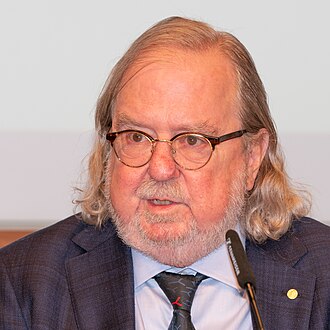
James P. Allison
Chair, Department of Immunology; Director, James P. Allison Institute, MD Anderson
Tumour immunologyImmune checkpoint blockadeT-cell biology
Discovered that blocking CTLA-4 unleashes T cells against cancer, the work behind ipilimumab and the 2018 Nobel Prize.
Jan A. Burger
Haematologist, MD Anderson Cancer Center
Chronic lymphocytic leukaemiaBTK inhibitorsLeukaemia microenvironment
Leukaemia specialist who was lead author of RESONATE-2, the trial that made ibrutinib a first-line treatment for chronic lymphocytic leukaemia in older patients.
Jason R. Westin
Director of Lymphoma Clinical Research, MD Anderson Cancer Center
Large B-cell lymphomaCAR T-cell therapySecond-line therapy
Led the ZUMA-7 overall survival analysis that made CAR-T the standard second-line therapy for early-relapsing lymphoma.
Jeffrey E. Gershenwald
Surgical oncologist, MD Anderson Cancer Center
Melanoma surgeryStagingSentinel lymph node biopsy
Houston surgeon who chaired the melanoma expert panel for the eighth edition of the AJCC staging system, the classification doctors use to describe how far a melanoma has spread.
Jennifer A. Wargo
Professor of Genomic Medicine and Surgical Oncology, MD Anderson Cancer Center
MelanomaMicrobiome and immunotherapyNeoadjuvant immunotherapy
Surgeon-scientist who showed the gut microbiome shapes response to immunotherapy and led early neoadjuvant melanoma trials.
Jennifer K. Litton
Vice President, Clinical Research; Professor of Breast Medical Oncology, MD Anderson
Breast cancerBRCAPARP inhibitors
Jennifer Litton led the EMBRACA trial that brought talazoparib to BRCA-mutated breast cancer.
Joe Y. Chang
Professor of Radiation Oncology, MD Anderson Cancer Center
Stereotactic ablative radiotherapyProton therapyLung cancer
Led the trials comparing stereotactic radiotherapy with surgery for operable early lung cancer.
John V. Heymach
Chair, Thoracic/Head and Neck Medical Oncology, MD Anderson
Lung cancerTargeted therapyImmunotherapy
Lung cancer leader behind trials that changed treatment of EGFR-mutant and stage III disease.
Katayoun Rezvani
Professor of Stem Cell Transplantation and Cellular Therapy, MD Anderson Cancer Center
CAR-NK cell therapyCord blood-derived cell therapyAllogeneic immunotherapy
Created cord blood-derived CAR-NK cells, the first off-the-shelf CAR cell therapy to show remissions in lymphoma.
Lei Zheng
Executive Director, Mays Cancer Center, and Vice President for Oncology, UT Health San Antonio
Medical oncologyCancer immunologyCancer centre leadership
Physician-scientist who is Executive Director of the Mays Cancer Center at UT Health San Antonio, the only NCI-designated cancer centre in South Texas.
Maria E. Cabanillas
Professor of Endocrine Neoplasia and Hormonal Disorders, MD Anderson Cancer Center
Anaplastic thyroid cancerBRAF/MEK targeted therapyNeoadjuvant therapy
Turned anaplastic thyroid cancer, once measured in months, into a treatable disease with BRAF-targeted therapy and neoadjuvant strategies.
Mariana Chavez-MacGregor
Professor, Breast Medical Oncology and Health Services Research, MD Anderson; SWOG Executive Officer for International Affairs
Breast cancerHealth services researchCooperative group trials
Mariana Chavez-MacGregor is a breast oncologist who studies how care is delivered and leads SWOG's international work.
Maura L. Gillison
Professor of Thoracic/Head and Neck Medical Oncology, MD Anderson Cancer Center
HPV-associated oropharyngeal cancerHead and neck cancerViral oncology
Established that HPV causes a distinct, better-prognosis form of throat cancer and led RTOG 1016 on how to treat it.
Michael L. Wang
Puddin Clarke Endowed Professor, Department of Lymphoma and Myeloma, MD Anderson Cancer Center
Mantle cell lymphomaBTK inhibitorsCAR T-cell therapy
Led the ibrutinib and brexucabtagene autoleucel trials that transformed mantle cell lymphoma treatment.
Michael R. Migden
Dermatologist and Mohs surgeon, MD Anderson Cancer Center
Cutaneous squamous-cell carcinomaBasal cell carcinomaSystemic therapy for skin cancer
Houston dermatologist who led the trials that established cemiplimab, the first drug approved for advanced cutaneous squamous-cell carcinoma, and sonidegib for basal cell carcinoma.
Monroe Dunaway Anderson
Cotton merchant and banker whose foundation's bequest created MD Anderson Cancer Center
Cancer hospital foundingEstate philanthropy
He never saw the hospital: his foundation, left $19 million on his death in 1939, matched the State of Texas's $500,000 in 1941 on condition the new cancer hospital be built in Houston and carry his name.
Naoto T. Ueno
Director, University of Hawai'i Cancer Center
Breast medical oncologyInflammatory breast cancerEarly-phase clinical trials
Breast cancer physician-scientist who directs the University of Hawai'i Cancer Center, the NCI-designated cancer centre in Honolulu.
Neil D. Gross
Head and neck surgeon, MD Anderson Cancer Center
Cutaneous squamous-cell carcinomaNeoadjuvant immunotherapyHead and neck surgery
Houston surgeon who led the trial showing that giving cemiplimab before surgery can eliminate cutaneous squamous-cell carcinoma in about half of patients, sparing many from extensive operations.
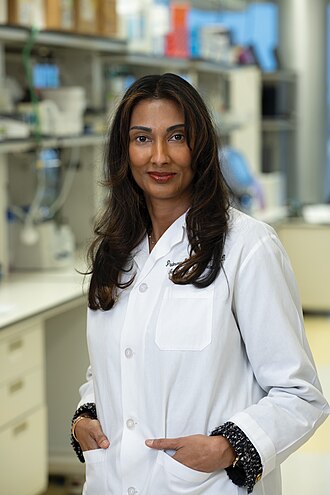
Padmanee Sharma
Professor of Genitourinary Medical Oncology and Immunology; Scientific Director, Immunotherapy Platform, MD Anderson
ImmunotherapyGenitourinary oncologyTranslational immunology
Runs the platform that studies patients' tumours before and after immunotherapy to learn why checkpoint drugs work or fail.
Peter W. T. Pisters
President, MD Anderson Cancer Center
Surgical oncologySarcomaHealth system leadership
Peter Pisters is the surgeon who has run the world's largest cancer centre since 2017.
Rashmi K. Murthy
Breast medical oncologist, MD Anderson Cancer Center
HER2-positive breast cancerBrain metastasesTyrosine kinase inhibitors
Houston breast cancer doctor who was lead author of HER2CLIMB, the trial that established tucatinib for HER2-positive breast cancer, including in patients with brain metastases.
Sattva S. Neelapu
Professor and Deputy Chair, Department of Lymphoma and Myeloma, MD Anderson Cancer Center
CAR T-cell therapyLymphomaCAR-T toxicity management
Led ZUMA-1, the trial that made axicabtagene ciloleucel the first CAR-T therapy approved for lymphoma.
Scott Kopetz
Professor of Gastrointestinal Medical Oncology, MD Anderson Cancer Center
BRAF-mutant colorectal cancerTargeted therapyCirculating tumour DNA
Led BEACON and BREAKWATER, the trials that gave BRAF-mutant colorectal cancer its first targeted therapies.
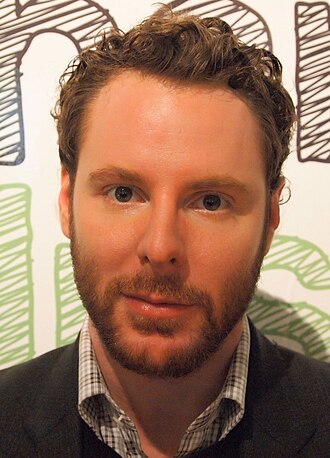
Sean Parker
Founder of the Parker Institute for Cancer Immunotherapy
Cancer immunotherapyResearch networksPhilanthropy
In 2016 he founded and funded an institute that runs cancer immunotherapy research as one network across a dozen leading cancer centres, sharing data, samples and patents rather than competing for them.
Shannon N. Westin
Gynaecologic oncologist, MD Anderson Cancer Center
Endometrial cancerOvarian cancerTargeted and immune therapy trials
Houston gynaecologic oncologist who led DUO-E, the trial that added durvalumab, with or without olaparib, to first-line chemotherapy for advanced endometrial cancer.
Tina Cascone
Associate Professor of Thoracic/Head and Neck Medical Oncology, MD Anderson Cancer Center
Neoadjuvant immunotherapyPerioperative NSCLC therapyTranslational immunology
Led CheckMate 77T, one of the perioperative immunotherapy trials that changed how operable lung cancer is treated.
William G. Wierda
Professor and Section Chief of CLL, Department of Leukemia, MD Anderson Cancer Center
Chronic lymphocytic leukaemiaFixed-duration targeted therapyMRD-guided treatment
Led CAPTIVATE, which established fixed-duration ibrutinib plus venetoclax as a first-line option for CLL.
rctNew England Journal of Medicine 2025changed practice68 citations
BREAKWATER: encorafenib plus cetuximab with chemotherapy as first treatment for BRAF V600E-mutated colorectal cancer
Patients with newly diagnosed metastatic colorectal cancer whose tumour carries a BRAF V600E mutation, which is about 8-12% of cases, should now be offered encorafenib and cetuximab together with FOLFOX from the start rather than after chemotherapy fails; median survival has roughly doubled to about two and a half years. BRAF testing at diagnosis is therefore essential, alongside RAS and mismatch repair testing. The regimen is more toxic than chemotherapy alone.
translationalModern Pathology 20256 citations
Population-Specific Immunogenomic Alterations in Gallbladder Cancer and Prognostic Significance
Evidence that the immune environment of gallbladder cancer differs by population even when the mutations do not; a reason to report gallbladder cancer and its regions separately in immunotherapy trials rather than as one biliary subgroup.
translationalNature 2023changed practice459 citations
AUGMENT-101: revumenib, the first menin inhibitor, in relapsed leukaemias driven by KMT2A rearrangement or NPM1 mutation
Revumenib proved that a transcriptional dependency, rather than a kinase, can be drugged in leukaemia, opening treatment for two genetic subgroups that together cover roughly a third of AML plus most infant ALL. It is now approved and is being combined with venetoclax-azacitidine and intensive chemotherapy in front-line trials. Single-agent remissions are often short without transplant.
observationalJournal of Thoracic Oncology 2022357 citations
Diminished efficacy of programmed death-(ligand)1 inhibition in STK11- and KEAP1-mutant lung adenocarcinoma is affected by KRAS mutation status
It corrected a widely repeated simplification. An STK11 or KEAP1 mutation is not by itself a reason to expect immunotherapy to fail; it is a reason to expect it in a KRAS-mutant tumour, which is how the result should be read on a report.
rctNew England Journal of Medicine 2022changed practice1,561 citations
RELATIVITY-047: relatlimab plus nivolumab, the first LAG-3 checkpoint combination, in untreated advanced melanoma
Patients with newly diagnosed advanced melanoma have a dual-checkpoint option that improves on nivolumab alone with only a modest increase in serious side effects, making it attractive for those unable to tolerate or unwilling to risk the toxicity of ipilimumab. It did not prove superior survival, and it has not been compared with nivolumab plus ipilimumab, which remains preferred for patients with brain metastases or other high-risk features. LAG-3 is now an established target under study in many other cancers.
translationalGastroenterology 2021177 citations
Lead-Time Trajectory of CA19-9 as an Anchor Marker for Pancreatic Cancer Early Detection
Fixes the window in which a blood test could plausibly work and shows why CA 19-9 alone is not enough: half of early cases are missed even at diagnosis, and Lewis-negative patients are missed entirely.
translationalCancer Cell 2021849 citations
Patterns of transcription factor programs and immune pathway activation define four major subtypes of SCLC with distinct therapeutic vulnerabilities
It offers the first credible explanation for why only a minority of small-cell patients get a durable benefit from checkpoint blockade, and it introduces subtype switching, which would mean retesting at relapse rather than typing once.
rctNew England Journal of Medicine 2020changed practice2,369 citations
VIALE-A: venetoclax plus azacitidine for older adults with acute myeloid leukaemia who cannot have intensive chemotherapy
VIALE-A turned a palliative regimen into one that produces remission in two-thirds of older AML patients and is now the reference treatment for anyone not fit for intensive chemotherapy. It shifted the field towards lower-intensity targeted combinations and opened the door to adding FLT3, IDH and menin inhibitors to the backbone. Cure remains uncommon and most patients relapse within two years.
19 more, oldest last
ZUMA-2: brexu-cel CAR-T for mantle cell lymphoma that has failed BTK inhibitorsCirculating nucleic acids are associated with outcomes of patients with pancreatic cancerMolecular subtypes of small cell lung cancer: a synthesis of human and mouse model dataClassifying colorectal cancer by tumor location rather than sidedness highlights a continuum in mutation profiles and consensus molecular subtypesA prospective, multi-institutional, pathologist-based assessment of 4 immunohistochemistry assays for PD-L1 expression in non-small cell lung cancerLong-Term Prognostic Risk After Neoadjuvant Chemotherapy Associated With Residual Cancer Burden and Breast Cancer SubtypeNivolumab in patients with metastatic DNA mismatch repair-deficient or microsatellite instability-high colorectal cancer (CheckMate 142)Non-V600 BRAF mutations define a clinically distinct molecular subtype of metastatic colorectal cancerZUMA-1: axicabtagene ciloleucel for refractory large B-cell lymphoma, the first CAR-T approved for lymphomaBiliary cancer: utility of next-generation sequencing for clinical managementINO-VATE: inotuzumab ozogamicin, a CD22 antibody-drug conjugate, versus chemotherapy for relapsed adult B-cell ALLCo-occurring genomic alterations define major subsets of KRAS-mutant lung adenocarcinoma with distinct biology, immune profiles, and therapeutic vulnerabilitiesTumor location is a strong predictor of tumor progression and survival in T2 gallbladder cancer: an international multicenter studyDepletion of carcinoma-associated fibroblasts and fibrosis induces immunosuppression and accelerates pancreas cancer with reduced survivalUsing multiplexed assays of oncogenic drivers in lung cancers to select targeted drugsPhase II trial of cetuximab, gemcitabine, and oxaliplatin followed by chemoradiation with cetuximab for locally advanced (T4) pancreatic adenocarcinoma: correlation of Smad4(Dpc4) immunostaining with pattern of disease progressionClinical and pathologic characteristics of patients with BRCA-positive and BRCA-negative breast cancerResponse to neoadjuvant therapy and long-term survival in patients with triple-negative breast cancerLeach, Krummel and Allison: releasing the CTLA-4 brake makes mice reject tumours
Similar pages
- InstitutionMemorial Sloan Kettering Cancer Center
Shares Newsweek/Statista World's Best Specialized Hospitals: Oncology, Break Through Cancer, Cut the nerve supply to tumours with old drugs, David H. Koch.
- InstitutionDana-Farber Brigham Cancer Center
Shares Break Through Cancer, The V Foundation for Cancer Research, Emil "Tom" Frei III, National Comprehensive Cancer Network (NCCN).
- InstitutionMayo Clinic
Shares Gemcitabine, cisplatin and nab-paclitaxel phase 2 (MD Anderson and Mayo), Hitachi (particle therapy), Non-V600 BRAF mutations define a clinically distinct molecular subtype of metastatic colorectal cancer, Gamma Knife.
cancers
technologies
CAR-NK & CAR-macrophageDietary fibre and the gut microbiome for immunotherapy responseEngineered exosomes as drug carriersGamma KnifeMR-guided adaptive radiotherapyProton therapyProton therapy machines: cyclotrons, synchrotrons and single-room systemsStereotactic radiosurgery (Gamma Knife, CyberKnife, linac SRS)
companies
institutions
Cancer Prevention and Research Institute of TexasHouston Methodist Dr. Mary and Ron Neal Cancer CenterKoo Foundation Sun Yat-Sen Cancer CenterMays Cancer Center at UT Health San AntonioNational Cancer Institute (NIH)National Comprehensive Cancer Network (NCCN)Parker Institute for Cancer ImmunotherapyThe V Foundation for Cancer Research
pathways
terms
trials
pairings
roadmaps
ideas
collections
people
Albert C. KoongAnirban MaitraAshish M. KamatChristopher R. FlowersCourtney D. DiNardoDavid H. KochDavid M. GershensonDebu TripathyElias JabbourEmil "Tom" Frei IIIEmil J FreireichEric JonaschFerdinandos SkoulidisFunda Meric-BernstamGabriel N. HortobagyiGhayas C. IssaGiulio DraettaHagop M. KantarjianHussein A. TawbiJaffer A. AjaniJames C. YaoJames P. AllisonJan A. BurgerJason R. WestinJeffrey E. GershenwaldJennifer A. WargoJennifer K. LittonJoe Y. ChangJohn V. HeymachKatayoun RezvaniLei ZhengMaria E. CabanillasMariana Chavez-MacGregorMaura L. GillisonMichael L. WangMichael R. MigdenMonroe Dunaway AndersonNaoto T. UenoNeil D. GrossPadmanee SharmaPeter W. T. PistersRashmi K. MurthySattva S. NeelapuScott KopetzSean ParkerShannon N. WestinTina CasconeWilliam G. Wierda
key papers
A prospective, multi-institutional, pathologist-based assessment of 4 immunohistochemistry assays for PD-L1 expression in non-small cell lung cancerAUGMENT-101: revumenib, the first menin inhibitor, in relapsed leukaemias driven by KMT2A rearrangement or NPM1 mutationBiliary cancer: utility of next-generation sequencing for clinical managementBREAKWATER: encorafenib plus cetuximab with chemotherapy as first treatment for BRAF V600E-mutated colorectal cancerCirculating nucleic acids are associated with outcomes of patients with pancreatic cancerClassifying colorectal cancer by tumor location rather than sidedness highlights a continuum in mutation profiles and consensus molecular subtypesClinical and pathologic characteristics of patients with BRCA-positive and BRCA-negative breast cancerCo-occurring genomic alterations define major subsets of KRAS-mutant lung adenocarcinoma with distinct biology, immune profiles, and therapeutic vulnerabilitiesDepletion of carcinoma-associated fibroblasts and fibrosis induces immunosuppression and accelerates pancreas cancer with reduced survivalDiminished efficacy of programmed death-(ligand)1 inhibition in STK11- and KEAP1-mutant lung adenocarcinoma is affected by KRAS mutation statusINO-VATE: inotuzumab ozogamicin, a CD22 antibody-drug conjugate, versus chemotherapy for relapsed adult B-cell ALLLeach, Krummel and Allison: releasing the CTLA-4 brake makes mice reject tumoursLead-Time Trajectory of CA19-9 as an Anchor Marker for Pancreatic Cancer Early DetectionLong-Term Prognostic Risk After Neoadjuvant Chemotherapy Associated With Residual Cancer Burden and Breast Cancer SubtypeMolecular subtypes of small cell lung cancer: a synthesis of human and mouse model dataNivolumab in patients with metastatic DNA mismatch repair-deficient or microsatellite instability-high colorectal cancer (CheckMate 142)Non-V600 BRAF mutations define a clinically distinct molecular subtype of metastatic colorectal cancerPatterns of transcription factor programs and immune pathway activation define four major subtypes of SCLC with distinct therapeutic vulnerabilitiesPhase II trial of cetuximab, gemcitabine, and oxaliplatin followed by chemoradiation with cetuximab for locally advanced (T4) pancreatic adenocarcinoma: correlation of Smad4(Dpc4) immunostaining with pattern of disease progressionPopulation-Specific Immunogenomic Alterations in Gallbladder Cancer and Prognostic SignificanceRELATIVITY-047: relatlimab plus nivolumab, the first LAG-3 checkpoint combination, in untreated advanced melanomaResponse to neoadjuvant therapy and long-term survival in patients with triple-negative breast cancerTumor location is a strong predictor of tumor progression and survival in T2 gallbladder cancer: an international multicenter studyUsing multiplexed assays of oncogenic drivers in lung cancers to select targeted drugsVIALE-A: venetoclax plus azacitidine for older adults with acute myeloid leukaemia who cannot have intensive chemotherapyZUMA-1: axicabtagene ciloleucel for refractory large B-cell lymphoma, the first CAR-T approved for lymphomaZUMA-2: brexu-cel CAR-T for mantle cell lymphoma that has failed BTK inhibitors
Open-source projects
All open source in oncology →Open-source projects that this organisation maintains, from OnCo's own catalogue: licence and last activity as the repository reported them on the day of the fetch. Listing is not endorsement; check the licence before reuse and the validation before clinical use.
Copy-number karyotyping of tumour cells from single-cell RNA-seq, from the Navin lab at MD Anderson.
Calls germline and somatic variants from single-cell sequencing data to trace clonal lineages, from MD Anderson.