Loading
institutionsInstitution

Memorial Sloan Kettering Cancer Center
The world's top-ranked cancer hospital, home of MSK-IMPACT sequencing, the dostarlimab rectal cancer study, and CAR-T pioneers.
Overview
Memorial Sloan Kettering Cancer Center is a New York cancer centre founded in 1884, NCI-designated as comprehensive and ranked first in the Newsweek/Statista World's Best Specialized Hospitals list for oncology, which makes it the reference point against which other cancer hospitals are measured. Its firsts include MSK-IMPACT, an FDA-authorised tumour sequencing panel that feeds OncoKB and cBioPortal, co-development of CD19 CAR-T cell therapy with Sadelain's group, the dostarlimab study in mismatch-repair-deficient rectal cancer led by Andrea Cercek, and the Paige AI digital pathology spin-out. It runs one of the largest oncology trial portfolios in the United States. The open question for a centre this large is how quickly its knowledge reaches practice elsewhere, a bottleneck OnCo tracks explicitly. Its people and trials pages are the best way into the detail.
Location
New York, US
Type
cancer center
Website
Newsweek 2026 oncology rank
#1
NCI designation
comprehensive
OnCo score
#1 · 348 points (59 Newsweek + 15 NCI + 274 from 137 linked objects) · ranking
Research output
From OpenAlex, oncology works in the last five years (2022 to 2026, current year in progress); counted on 2026-09-24.
Matched to Memorial Sloan Kettering Cancer Center, including child institutions. 5,120 works · 95,936 citations · 69% open access · 15% clinical trials · 1% reviews.
Oncology works per year
1,0782022
1,1892023
1,0622024
1,0402025
7512026
Most works
- Miguel‐Angel Perales203 works
- Eileen M. O'Reilly180 works
- Gunjan L. Shah147 works
- Roni Shouval135 works
- Gilles Salles115 works
- Michael Scordo111 works
- Jae H. Park102 works
- Charles M. Rudin101 works
- Babak Joseph Mehrara95 works
- Rona Yaeger92 works
Most cited
- MSK-IMPACT / OncoKB
- CAR-T (Sadelain)
- dMMR rectal organ preservation
- Paige AI
- Radiopharmaceutical development
Alexander Drilon
Chief, Early Drug Development Service
Oncogene-driven lung cancerNTRK, ROS1, RET fusionsPhase 1 trials
Led the trials of larotrectinib, entrectinib, repotrectinib and selpercatinib that turned rare gene fusions into treatable targets.
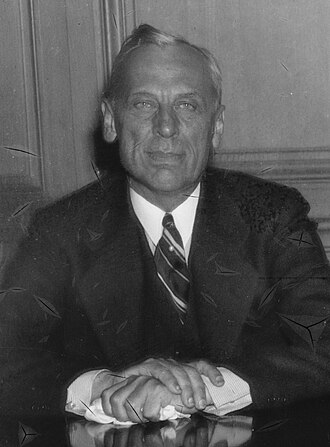
Alfred P. Sloan Jr.
General Motors chairman who, with Charles Kettering, established the Sloan Kettering Institute
Cancer research institute foundingIndustrial philanthropy
In the 1940s the General Motors chairman joined engineer Charles Kettering to establish the Sloan Kettering Institute, dedicated in 1948, which gave Memorial Hospital a research arm and its modern name.
Andrea Cercek
Section Head, Colorectal Cancer; Co-Director, Center for Young Onset Colorectal and GI Cancers
Colorectal cancerRectal cancer organ preservationdMMR immunotherapy
Led the study in which every patient with mismatch-repair-deficient rectal cancer had a complete response to dostarlimab, without surgery or radiation.
Bob T. Li
Physician Ambassador to China and Asia-Pacific; Medical Oncologist, Thoracic Oncology
HER2-mutant lung cancerAntibody-drug conjugatesEarly drug development
Ran the trials that made trastuzumab deruxtecan the first HER2-directed drug for lung cancer.
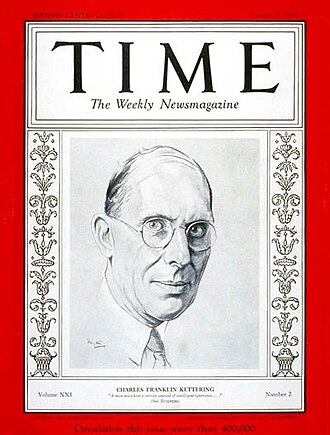
Charles F. Kettering
Inventor and General Motors research chief who co-founded the Sloan Kettering Institute
Cancer research institute foundingIndustrial research methods
The inventor of the electric car starter and head of General Motors research joined Alfred Sloan in the 1940s to establish the Sloan Kettering Institute for cancer research.

Charles L. Sawyers
Chair, Human Oncology and Pathogenesis Program; HHMI Investigator
Prostate cancerKinase inhibitor resistanceAndrogen receptor biology
Co-developed imatinib's successor dasatinib and the prostate drug enzalutamide, and explained how cancers resist targeted drugs.
Charles M. Rudin
Chief, Thoracic Oncology Service, Memorial Sloan Kettering Cancer Center
Small-cell lung cancerSCLC molecular subtypesDLL3
Defined the molecular subtypes of small-cell lung cancer and led early trials of DLL3-targeted therapy.
Clifford A. Hudis
Chief Executive Officer, American Society of Clinical Oncology
Breast cancerProfessional society leadershipHealth policy
Clifford Hudis is a breast oncologist who has run ASCO since 2016.
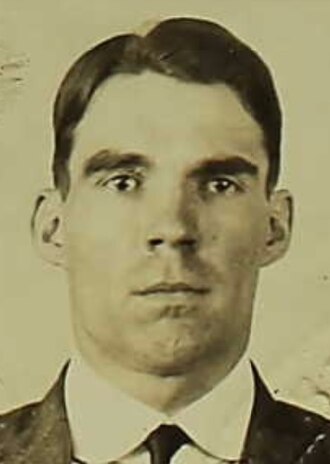
Daniel K. Ludwig
Shipping magnate who endowed the Ludwig Institute for Cancer Research in 1971
Cancer research endowmentInstitute buildingCancer immunology
In 1971 he put nearly all of his international holdings into a cancer research institute that carries his name reluctantly; it has since spent more than $1.8 billion of its own money on cancer science.
David B. Solit
Director, Marie-Josée and Henry R. Kravis Center for Molecular Oncology
Cancer genomicsMSK-IMPACTExceptional responders
Built MSK-IMPACT, the first FDA-authorised tumour sequencing panel, and the clinical genomics programme behind OncoKB and cBioPortal.
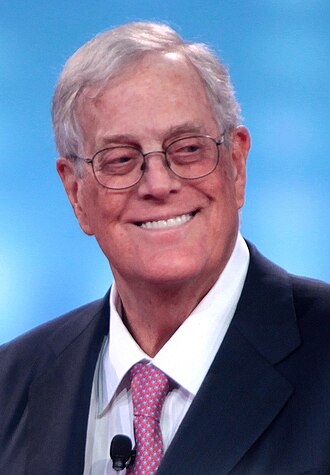
David H. Koch
Prostate cancer patient whose gifts built the MIT Koch Institute and the MSK Koch Center for Cancer Care
Cancer research buildingsEngineering and cancer biologyProstate cancer
Treated for prostate cancer from 1992, he gave MIT $100 million in 2007 to build an institute that puts engineers and cancer biologists under one roof, and MSK $150 million in 2015 for a new outpatient cancer building.
Dean F. Bajorin
Attending Physician, Genitourinary Oncology, Memorial Sloan Kettering Cancer Center
Urothelial cancerAdjuvant immunotherapyChemotherapy
Led CheckMate 274, which established adjuvant nivolumab after bladder cancer surgery.
Deborah Schrag
Chair, Department of Medicine, Memorial Sloan Kettering Cancer Center
Multi-cancer early detectionColorectal cancerHealth services research
Led PATHFINDER, the first prospective study of a multi-cancer blood test in practice, and the PROSPECT rectal cancer trial.
Eileen M. O'Reilly
Winthrop Rockefeller Chair in Medical Oncology; Section Head, Hepatopancreaticobiliary and Neuroendocrine Cancers
Pancreatic cancerBiliary cancerBRCA-associated pancreatic cancer
Leading pancreatic cancer trialist, including the maintenance PARP-inhibitor and germline-BRCA studies.
Evelyn Lauder
Co-creator of the pink ribbon and founder of the Breast Cancer Research Foundation
Breast cancer research fundingCancer awareness
A breast cancer survivor and Estée Lauder executive who co-created the pink ribbon in 1992 and founded the Breast Cancer Research Foundation in 1993, now one of the largest private funders of breast cancer research.
Eytan M. Stein
Chief, Leukemia Service, Memorial Sloan Kettering Cancer Center
Acute myeloid leukaemiaIDH inhibitorsMenin inhibitors
Led the enasidenib and revumenib trials that brought IDH2 and menin inhibitors to acute leukaemia.
Ghassan K. Abou-Alfa
Attending Physician, Gastrointestinal Oncology, Memorial Sloan Kettering Cancer Center
Hepatocellular carcinomaBiliary tract cancerIDH-targeted therapy
Led HIMALAYA and ClarIDHy, which gave liver cancer a dual-immunotherapy option and biliary cancer its first targeted drug.
Gilles Salles
Chief, Lymphoma Service, Memorial Sloan Kettering Cancer Center
Follicular lymphomaDiffuse large B-cell lymphomaAnti-CD20 antibodies
Led PRIMA, which established rituximab maintenance in follicular lymphoma, and co-chaired POLARIX in DLBCL.
Gregory J. Riely
Thoracic medical oncologist, Memorial Sloan Kettering Cancer Center
BRAF-mutant lung cancerKRAS-mutant lung cancerTargeted therapy
Lung cancer doctor who led PHAROS, the trial that brought the encorafenib and binimetinib pair to BRAF V600E-mutant lung cancer.
Helena A. Yu
Medical Oncologist, Thoracic Oncology Service
EGFR-mutant lung cancerResistance mechanismsADCs in lung cancer
Mapped how EGFR-mutant lung cancers resist osimertinib and led the HER3-directed ADC trials that followed.
Howard I. Scher
Member, Genitourinary Oncology Service; Head, Biomarker Development Program
Prostate cancerCirculating tumour cellsAR-V7
Defined how prostate cancer trials are run and read, from PSA working-group criteria to circulating tumour cell biomarkers.
Ingo K. Mellinghoff
Chair, Department of Neurology, Memorial Sloan Kettering Cancer Center
GliomaIDH-mutant tumoursTargeted therapy
Led INDIGO, the trial that made vorasidenib the first targeted therapy for low-grade IDH-mutant glioma.
Jae H. Park
Director, Cellular Therapy Service
CAR-T therapyAcute lymphoblastic leukaemiaCellular immunotherapy
Ran the long-term CD19 CAR-T studies in adult leukaemia that showed durable remissions and defined toxicity risk.
Jason S. Lewis
Emily Tow Jackson Chair in Oncology and Chief Attending, Radiochemistry and Imaging Sciences Service, Memorial Sloan Kettering Cancer Center
RadiochemistryImmuno-PETRadiopharmaceutical development
Radiochemist who built the zirconium-89 immuno-PET platform and MSKCC's radiopharmaceutical pipeline.
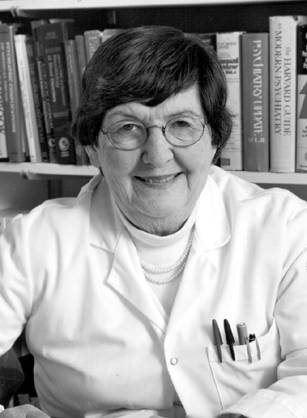
Jimmie Holland
Founder of psycho-oncology
Psycho-oncologyPsychiatryDistress screening
A psychiatrist who set up the first full-time psychiatry service in a cancer hospital at Memorial Sloan Kettering in 1977, founded the field's societies and journal, and made distress a vital sign in cancer care.
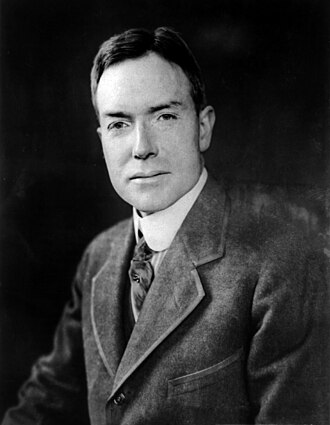
John D. Rockefeller Jr.
Donor of the York Avenue land on which Memorial Sloan Kettering stands
Cancer hospital buildingLand gifts
In 1936 he donated the land on York Avenue to which Memorial Hospital moved; Memorial Sloan Kettering has been there ever since.
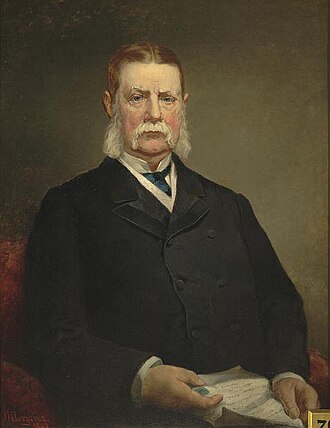
John Jacob Astor III
With his wife Charlotte, among the founders of New York Cancer Hospital in 1884, now Memorial Sloan Kettering
Cancer hospital foundingNineteenth-century philanthropy
In 1884 he and his wife Charlotte were among the group who founded New York Cancer Hospital, the institution that became Memorial Sloan Kettering Cancer Center.
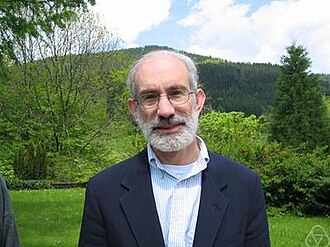
Jonathan E. Rosenberg
Chief, Genitourinary Oncology Service, Memorial Sloan Kettering Cancer Center
Urothelial cancerAntibody-drug conjugatesFGFR-targeted therapy
Led the early enfortumab vedotin trials and the atezolizumab study that first brought immunotherapy to bladder cancer.
Julio Garcia-Aguilar
Chief, Colorectal Service, Memorial Sloan Kettering Cancer Center
Rectal cancer surgeryOrgan preservationTotal neoadjuvant therapy
Surgeon who led OPRA, showing half of rectal cancer patients can keep their rectum with total neoadjuvant therapy and watch-and-wait.
Komal Jhaveri
Section Head, Endocrine Therapy Research, Memorial Sloan Kettering Cancer Center
HR-positive breast cancerOral SERDsPI3K/AKT pathway
Leads the next wave of endocrine therapy: oral SERDs like imlunestrant and the PI3K inhibitor inavolisib.
Luis A. Diaz Jr.
Head, Division of Solid Tumor Oncology
MSI-high / dMMR tumoursImmunotherapyLiquid biopsy
Co-led the work that made pembrolizumab the first tumour-agnostic cancer drug approval, for mismatch-repair-deficient tumours.
Mark E. Robson
Chief of the Breast Medicine Service, Memorial Sloan Kettering Cancer Center
Hereditary breast cancerPARP inhibitorsClinical cancer genetics
New York breast oncologist and cancer geneticist who led OlympiAD, the trial that made olaparib the first PARP inhibitor approved for BRCA-mutated breast cancer.
Michael A. Postow
Chief, Melanoma Service, Memorial Sloan Kettering Cancer Center
MelanomaImmunotherapyImmune-related adverse events
Led CheckMate 069, the first randomised trial of nivolumab plus ipilimumab, and defines how to manage immunotherapy side effects.
Michael F. Berger
Associate Director, Marie-Josée and Henry R. Kravis Center for Molecular Oncology, Memorial Sloan Kettering Cancer Center
Clinical cancer genomicsTumour sequencing assaysComputational biology
Built MSK-IMPACT, the tumour sequencing test used on more than 100,000 patients and the first FDA-authorised hospital panel.
Michael J. Morris
Prostate Cancer Section Head, Genitourinary Oncology Service
Prostate cancerRadiopharmaceuticalsPSMA theranostics
Principal investigator of the VISION trial that made lutetium-PSMA a standard prostate cancer treatment.
Monica Morrow
Chief, Breast Service, Department of Surgery, Memorial Sloan Kettering Cancer Center
Breast surgerySurgical marginsAxillary management
Breast surgeon whose margin and axillary guidelines cut unnecessary re-excisions and lymph node surgery worldwide.
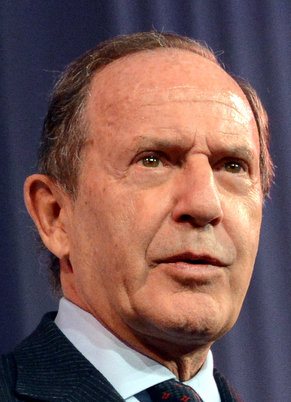
Mortimer Zuckerman
Publisher and developer whose $100 million built Memorial Sloan Kettering's Zuckerman Research Center
Research buildingsBasic cancer science
His 2006 pledge of $100 million, then the largest individual commitment in MSK's history, built a 23-storey laboratory tower that nearly doubled the centre's research space.
Nai-Kong V. Cheung
Enid A. Haupt Chair in Pediatric Oncology, Memorial Sloan Kettering Cancer Center
NeuroblastomaAnti-GD2 antibodiesPaediatric immunotherapy
Developed the anti-GD2 antibodies 3F8 and naxitamab that treat relapsed neuroblastoma.
Paul B. Chapman
Melanoma medical oncologist, Memorial Sloan Kettering Cancer Center
MelanomaBRAF inhibitorsImmunotherapy
New York melanoma doctor who was lead author of BRIM-3, the trial that showed vemurafenib lengthens survival in BRAF-mutant melanoma and launched targeted therapy for the disease.
Paul K. Paik
Thoracic medical oncologist, Memorial Sloan Kettering Cancer Center
MET exon 14 lung cancerSquamous lung cancerTargeted therapy
Lung cancer doctor who was lead author of VISION, the trial that established tepotinib for lung cancers with MET exon 14 skipping mutations.
Raajit K. Rampal
Haematologist, Memorial Sloan Kettering Cancer Center
MyelofibrosisMyeloproliferative neoplasmsCombination therapy trials
New York haematologist who led MANIFEST-2, the trial testing whether adding the BET inhibitor pelabresib to ruxolitinib helps people with myelofibrosis more than ruxolitinib alone.
Robert J. Motzer
Jack and Dorothy Byrne Chair in Clinical Oncology, Memorial Sloan Kettering Cancer Center
Renal cell carcinomaTargeted therapyImmunotherapy combinations
The kidney cancer trialist behind sunitinib, CheckMate 214 and CLEAR, three shifts in first-line standard of care.
Rona Yaeger
Gastrointestinal medical oncologist, Memorial Sloan Kettering Cancer Center
KRAS G12C colorectal cancerBRAF-mutant colorectal cancerResistance to targeted therapy
New York oncologist who was lead author of the KRYSTAL-1 colorectal report, which showed adagrasib with cetuximab shrinks KRAS G12C-mutant colorectal cancer and led to the combination's approval.
Ross L. Levine
Chair, Center for Hematologic Malignancies; Member, Human Oncology and Pathogenesis Program
Myeloid malignanciesClonal haematopoiesisJAK2 and epigenetic regulators
Discovered the JAK2 mutation behind most myeloproliferative neoplasms and defined the genetics of clonal haematopoiesis.
Saad Z. Usmani
Chief, Myeloma Service
Multiple myelomaBispecific antibodiesCAR-T
Saad Usmani led the pivotal teclistamab study, the first bispecific antibody approved for myeloma.
Sandra P. D'Angelo
Medical Oncologist, Sarcoma and Melanoma Services, Memorial Sloan Kettering Cancer Center
SarcomaEngineered T-cell therapyMerkel cell carcinoma
Led SPEARHEAD-1, the trial that made afami-cel the first engineered TCR T-cell therapy approved for a solid tumour.
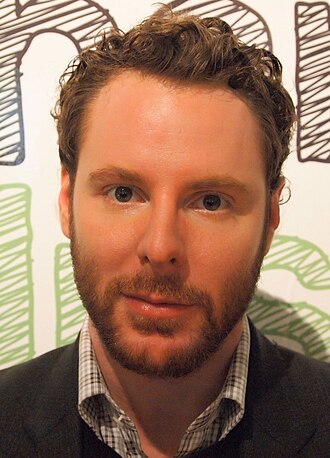
Sean Parker
Founder of the Parker Institute for Cancer Immunotherapy
Cancer immunotherapyResearch networksPhilanthropy
In 2016 he founded and funded an institute that runs cancer immunotherapy research as one network across a dozen leading cancer centres, sharing data, samples and patents rather than competing for them.
Selwyn M. Vickers
President and Chief Executive Officer
Pancreatic cancer surgeryHealth disparitiesAcademic leadership
Selwyn Vickers is a surgeon-scientist who leads the world's top-ranked cancer hospital.
Shanu Modi
Breast Medical Oncologist, Memorial Sloan Kettering Cancer Center
HER2-directed therapyHER2-low breast cancerAntibody-drug conjugates
Led DESTINY-Breast01 and DESTINY-Breast04, the trials that created the HER2-low category and opened T-DXd to most breast cancers.
Sharon Belvin
Early complete responder to ipilimumab whose recovery Jim Allison called the moment he knew
MelanomaCheckpoint immunotherapyClinical trial participation
Diagnosed with metastatic melanoma at 22, she received the anti-CTLA-4 antibody ipilimumab in an early trial at Memorial Sloan Kettering and has been cancer-free since. Her meeting with James Allison in 2006 is part of immunotherapy's history.
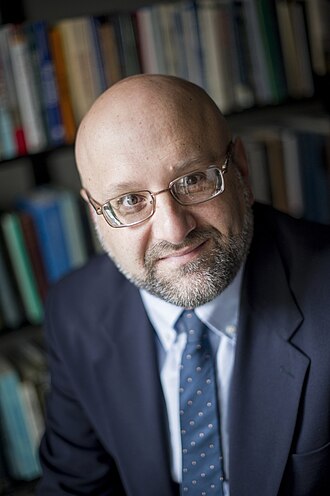
Steven M. Horwitz
Attending Physician, Lymphoma Service, Memorial Sloan Kettering Cancer Center
Peripheral T-cell lymphomaCutaneous T-cell lymphomaAntibody-drug conjugates
Led ECHELON-2, the first trial to improve survival in peripheral T-cell lymphoma, using brentuximab vedotin.
Valerie W. Rusch
Attending Thoracic Surgeon and Miner Family Chair in Intrathoracic Cancers, Memorial Sloan Kettering Cancer Center
Thoracic surgeryLung cancer stagingMesothelioma surgery
Thoracic surgeon who led the IASLC staging projects that define how lung cancer and mesothelioma are staged.
Vicky Makker
Gynaecologic medical oncologist, Memorial Sloan Kettering Cancer Center
Endometrial cancerImmunotherapy combinationsTargeted therapy
New York oncologist who led KEYNOTE-775, the trial that established lenvatinib plus pembrolizumab for advanced endometrial cancer after chemotherapy.

Vinod P. Balachandran
Surgical Oncologist and Member, Immuno-Oncology Service, Memorial Sloan Kettering Cancer Center
Pancreatic cancerNeoantigen vaccinesTumour immunology
Surgeon-scientist whose personalised mRNA vaccine trial showed pancreatic cancer can provoke lasting T-cell immunity.
William D. Tap
Chief, Sarcoma Medical Oncology Service, Memorial Sloan Kettering Cancer Center
Soft-tissue sarcomaTenosynovial giant cell tumourKinase inhibitors
Sarcoma oncologist who led ANNOUNCE and the pexidartinib trial that produced the first drug for tenosynovial giant cell tumour.
Yelena Y. Janjigian
Chief, Gastrointestinal Oncology Service
Gastric and oesophageal cancerHER2-positive GI cancerImmunotherapy
Led CheckMate 649, which made immunotherapy plus chemotherapy the first-line standard for gastric cancer, and the pembrolizumab-trastuzumab combination in HER2-positive disease.
observationalClinical Cancer Research 20260 citations
Molecular and clinical determinants of targeted therapy treatment in biliary tract cancer
For gallbladder cancer the points that matter are that HER2 can disappear under HER2-directed pressure, that SMAD4 co-mutation predicts a worse response, and that sequencing at progression, not just at diagnosis, may be needed to guide the next line.
rctNew England Journal of Medicine 2025changed practice467 citations
CheckMate 067 at ten years: nivolumab plus ipilimumab produces long-term survival in half of patients with advanced melanoma
For patients with advanced melanoma, immunotherapy offers a realistic chance of long-term survival and probably cure, and the ten-year data show that patients who are alive and progression-free at three years rarely die of melanoma afterwards. Nivolumab plus ipilimumab gives the best long-term results but at a high price in serious side effects; nivolumab alone or nivolumab plus relatlimab are alternatives for patients at lower risk or with autoimmune concerns. The trial is also a caution about surrogate endpoints: the survival plateau took years to become visible.
rctNew England Journal of Medicine 2025changed practice172 citations
Nonoperative management of mismatch repair-deficient tumors
For mismatch repair-deficient rectal cancer, six months of a single antibody now replaces chemotherapy, radiotherapy and an operation, and the same appears to be true for early-stage mismatch repair-deficient cancers of other organs.
translationalNature 2025277 citations
RNA neoantigen vaccines prime long-lived CD8+ T cells in pancreatic cancer
The strongest human evidence that a cancer vaccine can make durable T cells in a tumour with few mutations; the randomised phase 2 IMCODE003 (260 patients, primary completion listed for January 2031) is the test of whether that translates into fewer relapses.
observationalJCO Global Oncology 20245 citations
Clinical and genomic characterization of ERBB2-altered gallbladder cancer: exploring differences between an American and a Chilean cohort
The cleanest split of HER2 alterations in gallbladder cancer into amplification and mutation, which matters because IHC and ISH only see the amplified tumours. It also shows the high-incidence Chilean population has not been sequenced at scale.
rctNew England Journal of Medicine 2023changed practice628 citations
INDIGO: vorasidenib, the first targeted drug for IDH-mutant low-grade glioma
Young adults with a grade 2 IDH-mutant glioma who have had surgery can now take a daily tablet that slows or reverses tumour growth and defers radiotherapy and chemotherapy, both of which carry long-term cognitive costs, by years. It confirms that the IDH mutation is a driver that can be targeted, not just a marker. Whether it improves survival or cognition over the long term, and whether it helps in higher-grade or previously treated tumours, is unknown.
translationalNature 20231,139 citations
Rojas 2023: a personalised mRNA vaccine trained T cells against each patient's pancreatic cancer, and those who responded stayed cancer-free longer
Pancreatic cancer was thought to be immunologically inert because of its low mutation burden; this study showed that with the right vaccine platform its few neoantigens can still be targeted. It is the strongest human evidence so far that personalised cancer vaccines can generate durable, tumour-specific immunity, and it justifies the randomised trials now running in pancreatic cancer and melanoma. Benefit is not yet proven, because responders may simply have had more immunogenic tumours.
observationalJAMA Oncology 2022335 citations
Association of high tumor mutation burden in non-small cell lung cancers with increased immune infiltration and improved clinical outcomes of PD-L1 blockade across PD-L1 expression levels
It is the strongest case that mutation burden is real biology in lung cancer and, at the same time, the clearest demonstration that its threshold is not fixed, which is why it never became a reliable selector.
36 more, oldest last
Cercek 2022: six months of dostarlimab alone made rectal cancer disappear in every patient with mismatch-repair deficiencyComprehensive molecular characterization of gallbladder carcinoma and potential targets for interventionDiminished efficacy of programmed death-(ligand)1 inhibition in STK11- and KEAP1-mutant lung adenocarcinoma is affected by KRAS mutation statusOrgan preservation in patients with rectal adenocarcinoma treated with total neoadjuvant therapy (OPRA)CheckMate 649: nivolumab plus chemotherapy as first treatment for advanced gastric, gastro-oesophageal junction and oesophageal adenocarcinomaA unifying paradigm for transcriptional heterogeneity and squamous features in pancreatic ductal adenocarcinomaGenomic methods identify homologous recombination deficiency in pancreas adenocarcinoma and optimize treatment selectionSCLC subtypes defined by ASCL1, NEUROD1, POU2F3, and YAP1: a comprehensive immunohistochemical and histopathologic characterizationThe genomic landscape of SMARCA4 alterations and associations with outcomes in patients with lung cancerConcurrent RB1 and TP53 alterations define a subset of EGFR-mutant lung cancers at risk for histologic transformation and inferior clinical outcomesDurvalumab with or without tremelimumab for patients with metastatic pancreatic ductal adenocarcinoma: a phase 2 randomized clinical trialEGFR-mutant adenocarcinomas that transform to small-cell lung cancer and other neuroendocrine carcinomas: clinical outcomesMolecular subtypes of small cell lung cancer: a synthesis of human and mouse model dataRegional differences in gallbladder cancer pathogenesis: insights from a multi-institutional comparison of tumor mutationsTumour response to TRK inhibition in a patient with pancreatic adenocarcinoma harbouring an NTRK gene fusionClinical sequencing defines the genomic landscape of metastatic colorectal cancerEffects of co-occurring genomic alterations on outcomes in patients with KRAS-mutant non-small cell lung cancerHu 2018: evaluating mismatch repair deficiency in pancreatic adenocarcinoma, challenges and recommendationsMolecular determinants of response to anti-PD-1 and anti-PD-L1 blockade in patients with non-small-cell lung cancer profiled with targeted next-generation sequencingPrecancerous neoplastic cells can move through the pancreatic ductal systemProspective evaluation of germline alterations in patients with exocrine pancreatic neoplasmsRibas and Wolchok 2018: cancer immunotherapy using checkpoint blockadeBasch: asking patients to report symptoms online during chemotherapy improved survivalIdentification of unique neoantigen qualities in long-term survivors of pancreatic cancerLimited heterogeneity of known driver gene mutations among the metastases of individual patients with pancreatic cancerProspective comprehensive molecular characterization of lung adenocarcinomas for efficient patient matching to approved and emerging therapiesSOX2 promotes lineage plasticity and antiandrogen resistance in TP53- and RB1-deficient prostate cancerA revised classification system and recommendations from the Baltimore consensus meeting for neoplastic precursor lesions in the pancreasRizvi 2015: the mutational landscape determines who responds to PD-1 blockade in lung cancerSU2C-PCF: integrative clinical genomics of advanced prostate cancerUsing multiplexed assays of oncogenic drivers in lung cancers to select targeted drugsAnalysis of tumor specimens at the time of acquired resistance to EGFR-TKI therapy in 155 patients with EGFR-mutant lung cancersPhase II trial of bicalutamide in patients with androgen receptor-positive, estrogen receptor-negative metastatic breast cancerQuail and Joyce 2013: microenvironmental regulation of tumour progression and metastasisIntegrative genomic profiling of human prostate cancerAcquired resistance of lung adenocarcinomas to gefitinib or erlotinib is associated with a second mutation in the EGFR kinase domain
Similar pages
- InstitutionDana-Farber Brigham Cancer Center
Shares Break Through Cancer, Damon Runyon Cancer Research Foundation, National Comprehensive Cancer Network (NCCN), Sean Parker.
- InstitutionMD Anderson Cancer Center
Shares Newsweek/Statista World's Best Specialized Hospitals: Oncology, Break Through Cancer, Cut the nerve supply to tumours with old drugs, David H. Koch.
- InstitutionStanford Health Care / Stanford Cancer Institute
Shares Cut the nerve supply to tumours with old drugs, Damon Runyon Cancer Research Foundation, Daniel K. Ludwig, Ludwig Cancer Research.
- BottleneckFunding follows fashion, not burden
Shares Mortimer Zuckerman, Evelyn Lauder, John Jacob Astor III, Alfred P. Sloan Jr..
- TargetPD-1
Shares Dean F. Bajorin, Michael A. Postow, Yelena Y. Janjigian, Regionally delivered mesothelin CAR-T with PD-1 blockade.
- PathwayPD-1 / PD-L1 immune checkpoint & T-cell activation
Shares Durvalumab with or without tremelimumab for patients with metastatic pancreatic ductal adenocarcinoma: a phase 2 randomized clinical trial, Circadian control, What actually holds T cells at the tumour border?, Association of high tumor mutation burden in non-small cell lung cancers with increased immune infiltration and improved clinical outcomes of PD-L1 blockade across PD-L1 expression levels.
- InstitutionJohns Hopkins Hospital / Sidney Kimmel Comprehensive Cancer Center
Shares Break Through Cancer, A revised classification system and recommendations from the Baltimore consensus meeting for neoplastic precursor lesions in the pancreas, Limited heterogeneity of known driver gene mutations among the metastases of individual patients with pancreatic cancer, Precancerous neoplastic cells can move through the pancreatic ductal system.
- TermNeoantigen
Shares What makes a neoantigen actually immunogenic?, Identification of unique neoantigen qualities in long-term survivors of pancreatic cancer, Shared splice-derived neoantigens as off-the-shelf vaccine targets, Association of high tumor mutation burden in non-small cell lung cancers with increased immune infiltration and improved clinical outcomes of PD-L1 blockade across PD-L1 expression levels.
cancers
Biliary tract cancer (cholangiocarcinoma)Bladder & urothelial cancerColorectal cancerDiffuse large B-cell lymphomaExtensive-stage small-cell lung cancerHepatocellular carcinomaHodgkin lymphomaMesotheliomaMultiple myelomaNeuroblastoma (paediatric)Neuroendocrine tumoursRenal cell carcinomaRetinoblastomaSarcomas (soft tissue, bone, GIST)Small-cell lung cancerThyroid cancer
technologies
Active surveillance of papillary microcarcinomaAsking people how they are, every week, as a treatment in its own rightCancer variant knowledgebases and molecular tumour boardsCAR-T cell therapyComprehensive genomic profilingDietary supplements during cancer treatment: interactions and harmsDigital pathology & AIElectronic patient-reported outcome (ePRO) symptom monitoringMinoxidil for persistent chemotherapy- and endocrine-therapy hair lossPlatelet-rich plasma for hair after cancer treatmentSt John's wort: an interaction to avoidVirchow / Virchow2 (Paige, MSK)
drugs
ApprovedMonoclonal antibody (anti-PD-1)
Dostarlimab · Jemperli
companies
institutions
Breast Cancer Research FoundationDamon Runyon Cancer Research FoundationHoward Hughes Medical InstituteLudwig Cancer ResearchNational Cancer Institute (NIH)National Comprehensive Cancer Network (NCCN)New York Proton CenterParker Institute for Cancer ImmunotherapySandra and Edward Meyer Cancer Center, Weill Cornell Medicine
pathways
Antigen presentation & immune editingCancer metabolismCancer neuroscience (nerve-tumour signalling)Cancer stem cells & phenotypic plasticityCellular senescenceChromosomal instability & aneuploidyCircadian controlClonal evolution & minimal residual diseaseClonal haematopoiesis (CHIP)Epigenetic reprogrammingFerroptosis & regulated cell deathHippo-YAP/TAZInflammation & NF-κBJAK-STAT signallingKEAP1-NRF2 antioxidant pathwaymRNA translation (eIF4F / mTOR)RNA splicingTGF-β signallingThe metastatic cascadeTumour dormancyTumour microenvironment (TME)
trials
roadmaps
Colorectal cancer roadmap: from the adenoma-carcinoma sequence and the first screening trials to total mesorectal excision, oxaliplatin, RAS testing, immunotherapy for mismatch repair-deficient disease, ctDNA-guided treatment and organ preservationLymphoma roadmap: from a jaw tumour in Uganda and the first human cancer virus to gene-expression subtypes, PET-adapted chemotherapy, CAR-T cells, bispecific antibodies and the genetics-directed trials now recruitingPancreatic cancer roadmap: from Whipple's operation to gemcitabine, FOLFIRINOX, adjuvant chemotherapy, PARP inhibition, KRAS inhibition, vaccines and the surveillance question
ideas
A global first-in-human network for academic cancer trials with single ethics reviewA mandatory trial line in every tumour board recommendationA tumour board assistant that cites its evidence and tracks outcomesAn open supplement-drug interaction checker built into oncology prescribingBroad research consent as a routine step of the cancer pathwayConfirm or refute the harm of antioxidant supplements during chemotherapyCut the nerve supply to tumours with old drugsGive immunotherapy in the morningIs aneuploidy itself a druggable vulnerability?Map metabolic dependencies in the patient, not the dishOne-two punch: clear senescent cells after chemotherapyRegionally delivered mesothelin CAR-T with PD-1 blockadeShared splice-derived neoantigens as off-the-shelf vaccine targetsWeekly symptom check-ins with automatic alerts as standard of care on treatmentWhat actually holds T cells at the tumour border?What decides which disseminated cells ever colonise?What makes a neoantigen actually immunogenic?Which patients' blood clones will become leukaemia after treatment?
collections
people
Alexander DrilonAlfred P. Sloan Jr.Andrea CercekBob T. LiCharles F. KetteringCharles L. SawyersCharles M. RudinClifford A. HudisDaniel K. LudwigDavid B. SolitDavid H. KochDean F. BajorinDeborah SchragEileen M. O'ReillyEvelyn LauderEytan M. SteinGhassan K. Abou-AlfaGilles SallesGregory J. RielyHelena A. YuHoward I. ScherIngo K. MellinghoffJae H. ParkJason S. LewisJimmie HollandJohn D. Rockefeller Jr.John Jacob Astor IIIJonathan E. RosenbergJulio Garcia-AguilarKomal JhaveriLuis A. Diaz Jr.Mark E. RobsonMichael A. PostowMichael F. BergerMichael J. MorrisMonica MorrowMortimer ZuckermanNai-Kong V. CheungPaul B. ChapmanPaul K. PaikRaajit K. RampalRobert J. MotzerRona YaegerRoss L. LevineSaad Z. UsmaniSandra P. D'AngeloSean ParkerSelwyn M. Vickersand 8 more →
bottlenecks
key papers
A revised classification system and recommendations from the Baltimore consensus meeting for neoplastic precursor lesions in the pancreasA unifying paradigm for transcriptional heterogeneity and squamous features in pancreatic ductal adenocarcinomaAcquired resistance of lung adenocarcinomas to gefitinib or erlotinib is associated with a second mutation in the EGFR kinase domainAnalysis of tumor specimens at the time of acquired resistance to EGFR-TKI therapy in 155 patients with EGFR-mutant lung cancersAssociation of high tumor mutation burden in non-small cell lung cancers with increased immune infiltration and improved clinical outcomes of PD-L1 blockade across PD-L1 expression levelsBasch: asking patients to report symptoms online during chemotherapy improved survivalCercek 2022: six months of dostarlimab alone made rectal cancer disappear in every patient with mismatch-repair deficiencyCheckMate 067 at ten years: nivolumab plus ipilimumab produces long-term survival in half of patients with advanced melanomaCheckMate 649: nivolumab plus chemotherapy as first treatment for advanced gastric, gastro-oesophageal junction and oesophageal adenocarcinomaClinical and genomic characterization of ERBB2-altered gallbladder cancer: exploring differences between an American and a Chilean cohortClinical sequencing defines the genomic landscape of metastatic colorectal cancerComprehensive molecular characterization of gallbladder carcinoma and potential targets for interventionConcurrent RB1 and TP53 alterations define a subset of EGFR-mutant lung cancers at risk for histologic transformation and inferior clinical outcomesDiminished efficacy of programmed death-(ligand)1 inhibition in STK11- and KEAP1-mutant lung adenocarcinoma is affected by KRAS mutation statusDurvalumab with or without tremelimumab for patients with metastatic pancreatic ductal adenocarcinoma: a phase 2 randomized clinical trialEffects of co-occurring genomic alterations on outcomes in patients with KRAS-mutant non-small cell lung cancerEGFR-mutant adenocarcinomas that transform to small-cell lung cancer and other neuroendocrine carcinomas: clinical outcomesGenomic methods identify homologous recombination deficiency in pancreas adenocarcinoma and optimize treatment selectionHu 2018: evaluating mismatch repair deficiency in pancreatic adenocarcinoma, challenges and recommendationsIdentification of unique neoantigen qualities in long-term survivors of pancreatic cancerINDIGO: vorasidenib, the first targeted drug for IDH-mutant low-grade gliomaIntegrative genomic profiling of human prostate cancerLimited heterogeneity of known driver gene mutations among the metastases of individual patients with pancreatic cancerMolecular and clinical determinants of targeted therapy treatment in biliary tract cancerMolecular determinants of response to anti-PD-1 and anti-PD-L1 blockade in patients with non-small-cell lung cancer profiled with targeted next-generation sequencingMolecular subtypes of small cell lung cancer: a synthesis of human and mouse model dataNonoperative management of mismatch repair-deficient tumorsOrgan preservation in patients with rectal adenocarcinoma treated with total neoadjuvant therapy (OPRA)Phase II trial of bicalutamide in patients with androgen receptor-positive, estrogen receptor-negative metastatic breast cancerPrecancerous neoplastic cells can move through the pancreatic ductal systemProspective comprehensive molecular characterization of lung adenocarcinomas for efficient patient matching to approved and emerging therapiesProspective evaluation of germline alterations in patients with exocrine pancreatic neoplasmsQuail and Joyce 2013: microenvironmental regulation of tumour progression and metastasisRegional differences in gallbladder cancer pathogenesis: insights from a multi-institutional comparison of tumor mutationsRibas and Wolchok 2018: cancer immunotherapy using checkpoint blockadeRizvi 2015: the mutational landscape determines who responds to PD-1 blockade in lung cancerRNA neoantigen vaccines prime long-lived CD8+ T cells in pancreatic cancerRojas 2023: a personalised mRNA vaccine trained T cells against each patient's pancreatic cancer, and those who responded stayed cancer-free longerSCLC subtypes defined by ASCL1, NEUROD1, POU2F3, and YAP1: a comprehensive immunohistochemical and histopathologic characterizationSOX2 promotes lineage plasticity and antiandrogen resistance in TP53- and RB1-deficient prostate cancerSU2C-PCF: integrative clinical genomics of advanced prostate cancerThe genomic landscape of SMARCA4 alterations and associations with outcomes in patients with lung cancerTumour response to TRK inhibition in a patient with pancreatic adenocarcinoma harbouring an NTRK gene fusionUsing multiplexed assays of oncogenic drivers in lung cancers to select targeted drugs
Open-source projects
All open source in oncology →Open-source projects that this organisation maintains, from OnCo's own catalogue: licence and last activity as the repository reported them on the day of the fetch. Listing is not endorsement; check the licence before reuse and the validation before clinical use.
The open platform for exploring multidimensional cancer genomics data, hosting TCGA, GENIE and hundreds of studies and installed at cancer centres worldwide.
Converts VCF variant calls into the MAF format used by cBioPortal and TCGA, running Ensembl VEP for annotation.
The Computational Environment for Radiological Research, a MATLAB platform for radiotherapy plan analysis, radiomics and outcomes modelling from MSK.
Planning and Optimization for Radiation Therapy: an open Python platform with benchmark patient data for planning research, from MSK.
Allele-specific copy-number and clonal heterogeneity analysis for tumour sequencing, from Memorial Sloan Kettering; the method behind many MSK-IMPACT copy-number calls.
The React front end of cBioPortal: OncoPrints, mutation mappers, survival plots and cohort comparison.
Scripts that annotate MAF, copy-number and fusion files with OncoKB levels of evidence through its API token.
Memorial Sloan Kettering's open classification of cancer types used by cBioPortal, GENIE and OncoKB.
Software in use
The software of oncology →Commercial and regulated products that this organisation sells. Each card says what is behind it: a regulator's database, the literature, a public body's list, or only the company's own words. Listing is not endorsement, and a clearance is a regulatory fact, not a clinical one.
A hospital's own targeted sequencing test and its analysis pipeline, authorised in the United States and the source of one of the largest public clinical sequencing cohorts.