Loading
institutionsInstitution
Stanford Health Care / Stanford Cancer Institute
Stanford is home to CAR-T innovation (Mackall, Majzner), the CD47 discovery (Weissman), and AI in medicine.
Overview
Stanford Health Care and the Stanford Cancer Institute in California hold NCI comprehensive designation and thirtieth place in the Newsweek/Statista oncology ranking, and they matter for CAR-T innovation, the CD47 discovery and AI in medicine. Crystal L. Mackall and Majzner developed GD2 CAR-T for diffuse intrinsic pontine glioma, Irving L. Weissman's CD47 work is the origin of magrolimab, Adler invented the CyberKnife, and Ronald Levy leads its lymphoma tradition, with Ash A. Alizadeh, Christina Curtis and Heather A. Wakelee also listed. OnCo links it to Evo 2, GenePT and the Merlin CT vision-language model, to pathways from chromosomal instability to ferroptosis, and to funders including the Chan Zuckerberg Biohub and the Parker Institute. Getting CAR-T past the blood-brain barrier durably is the bottleneck its glioma work confronts. Programmes and people are listed below.
Location
Stanford, US
Type
university · Stanford University
Website
Newsweek 2026 oncology rank
#30
NCI designation
comprehensive
OnCo score
#14 · 121 points (30 Newsweek + 15 NCI + 76 from 38 linked objects) · ranking
Research output
From OpenAlex, oncology works in the last five years (2022 to 2026, current year in progress); counted on 2026-09-24.
Matched to Stanford University, including child institutions. 3,016 works · 50,896 citations · 69% open access · 10% clinical trials · 2% reviews.
Oncology works per year
6352022
6272023
6532024
6742025
4272026
Most works
- David Bernard Miklos124 works
- Saurabh Dahiya113 works
- Surbhi Sidana103 works
- Frederick Lundry Locke102 works
- Lori S. Muffly77 works
- Crystal L. Mackall77 works
- Matthew Joshua Frank71 works
- Crystal L. Mackall70 works
- Bita Sahaf70 works
- Liora Michal Schultz66 works
Most cited
- CAR-T for paediatric brain tumours
- AI in oncology
- Lymphoma
Ash A. Alizadeh
Professor of Medicine (Oncology), Stanford University
Circulating tumour DNALymphomaComputational oncology
Co-invented the CAPP-Seq method for reading tumour DNA in blood and used it to track lymphoma and lung cancer.
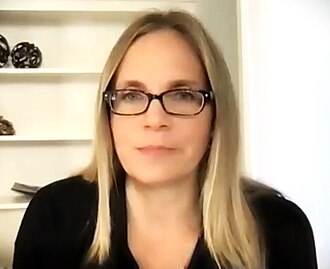
Christina Curtis
Professor of Medicine, Genetics and Biomedical Data Science, Stanford University
Tumour evolutionComputational cancer biologyMetastasis timing
Showed that colorectal cancers grow as a 'Big Bang' and that metastasis can be seeded years before diagnosis.
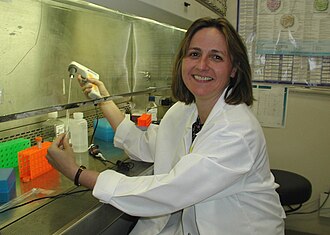
Crystal L. Mackall
Director, Stanford Center for Cancer Cell Therapy; Ernest and Amelia Gallo Family Professor
CAR-T cell therapyPaediatric oncologyImmunotherapy
Crystal Mackall is a cell therapy pioneer whose team brought GD2 CAR-T to children with brain tumours that had no treatment.
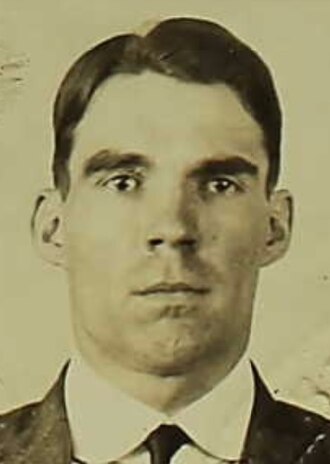
Daniel K. Ludwig
Shipping magnate who endowed the Ludwig Institute for Cancer Research in 1971
Cancer research endowmentInstitute buildingCancer immunology
In 1971 he put nearly all of his international holdings into a cancer research institute that carries his name reluctantly; it has since spent more than $1.8 billion of its own money on cancer science.
Heather A. Wakelee
Chief, Division of Medical Oncology; Deputy Director, Stanford Cancer Institute
Lung cancerPerioperative immunotherapyGlobal oncology
Heather Wakelee is a lung cancer leader who led the first adjuvant immunotherapy trial to change practice.
Irving L. Weissman
Virginia and D.K. Ludwig Professor; Founding Director, Stanford Institute for Stem Cell Biology and Regenerative Medicine
Stem cell biologyCancer stem cellsInnate immune checkpoints
Isolated the first blood stem cells and discovered the 'don't eat me' signal CD47 on cancer cells.
Lipika Goyal
Associate Professor of Medicine and Director of Gastrointestinal Oncology, Stanford Cancer Institute
CholangiocarcinomaFGFR2-targeted therapyAcquired resistance
Led the futibatinib trial and defined how FGFR2-driven bile duct cancers become resistant to targeted drugs.
Maximilian Diehn
Professor of Radiation Oncology, Stanford University
Radiation oncologyCirculating tumour DNALung cancer
Radiation oncologist who showed a blood test can detect leftover lung cancer months before scans.
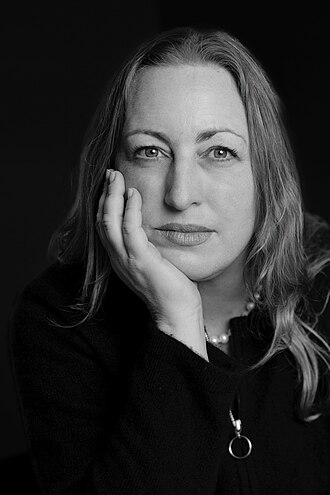
Michelle Monje
Professor of Neurology and Neurological Sciences, Stanford University; HHMI Investigator
Paediatric high-grade gliomaCancer neuroscienceGD2 CAR T cells
Founded cancer neuroscience and led the GD2 CAR-T trial that produced the first regressions of diffuse midline glioma.
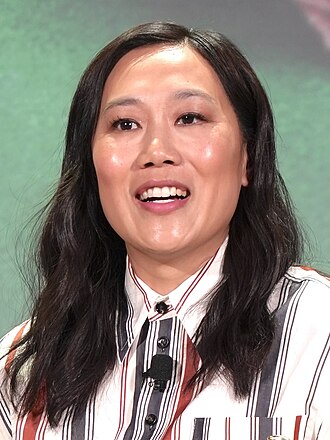
Priscilla Chan
Paediatrician who, with Mark Zuckerberg, founded the Chan Zuckerberg Initiative and the CZ Biohub
Basic biology fundingCell atlasesDisease-agnostic science philanthropy
She and Mark Zuckerberg founded the Chan Zuckerberg Biohub with the stated mission to cure or prevent all disease; its programmes include engineering the immune system to detect cancer and other diseases early.
Quynh-Thu Le
Katharine Dexter McCormick and Stanley McCormick Memorial Professor and Chair of Radiation Oncology, Stanford University; Group Chair, NRG Oncology
Head and neck radiotherapyTumour hypoxiaCooperative-group leadership
Chairs NRG Oncology, the largest US radiotherapy cooperative group, and leads head and neck de-escalation trials.
Ronald Levy
Robert K. and Helen K. Summy Professor of Medicine (Oncology), Stanford University
LymphomaAntibody therapyIn situ vaccination
Developed the first antibody treatment for cancer, rituximab, and still works on training the immune system against lymphoma.
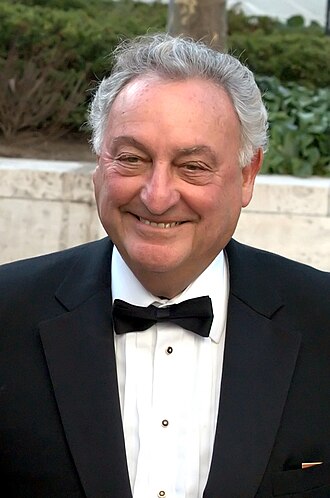
Sanford I. Weill
Banker whose $100 million matching grant launched the Weill Cancer Hub West at UCSF and Stanford
Cancer research partnershipsCell therapyAI in oncology
In May 2025 the Weill Family Foundation's $100 million challenge launched a $200 million, ten-year cancer research partnership between UCSF and Stanford, the two big Bay Area cancer centres that usually compete.
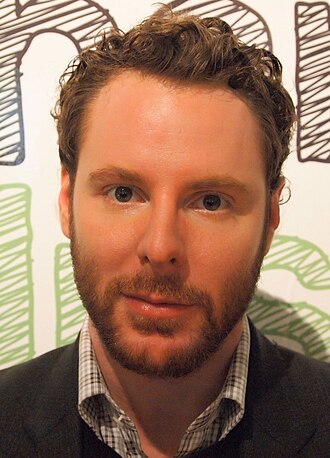
Sean Parker
Founder of the Parker Institute for Cancer Immunotherapy
Cancer immunotherapyResearch networksPhilanthropy
In 2016 he founded and funded an institute that runs cancer immunotherapy research as one network across a dozen leading cancer centres, sharing data, samples and patents rather than competing for them.
Steven E. Artandi
Director, Stanford Cancer Institute
Telomere biologyCancer stem cellsCancer center leadership
Steven Artandi is a telomerase biologist who directs Stanford's cancer institute.
Youn H. Kim
Dermatologist and Director of the Multidisciplinary Cutaneous Lymphoma Program, Stanford
Cutaneous T-cell lymphomaMycosis fungoides and Sézary syndromeNovel therapies
Stanford dermatologist who led MAVORIC, the trial that established mogamulizumab for mycosis fungoides and Sézary syndrome after earlier treatment.
observationalJAMA Oncology 2018198 citations
Association of alterations in main driver genes with outcomes of patients with resected pancreatic ductal adenocarcinoma
The driver count is a prognostic score in itself, and the allele matters: G12D is the pancreatic allele with the worst outlook and the one the new selective inhibitors chase.
methodsNature 20175,493 citations
Esteva 2017: a deep neural network classifies skin cancer at dermatologist level
This paper made AI-assisted skin cancer triage a serious clinical prospect and became the template for later work in radiology and pathology. Prospective trials, regulatory clearance and performance across skin tones followed, and are where its promise is now being tested.
reviewNature 20016,824 citations
Reya 2001: stem cells, cancer and cancer stem cells
The paper launched two decades of work on tumour-initiating cells in solid cancers, on why relapse follows apparently complete responses, and on measuring residual disease at the level of the cells that can regrow it. It also connected developmental biology pathways to cancer drug discovery.
Similar pages
- InstitutionUCSF Helen Diller Family Comprehensive Cancer Center
Shares Emerson Collective, Priscilla Chan, Sanford I. Weill, Damon Runyon Cancer Research Foundation.
- InstitutionCity of Hope
Shares Biology-guided radiotherapy (RefleXion X1, SCINTIX), CAR-T for glioma (IL13Rα2, GD2, EGFRvIII, multi-target), Parker Institute for Cancer Immunotherapy, The brain: barrier and sanctuary.
- TermH3 K27M (diffuse midline glioma)
Shares Crystal L. Mackall, CAR-T for glioma (IL13Rα2, GD2, EGFRvIII, multi-target), Diffuse midline glioma, H3 K27-altered (including DIPG), The brain: barrier and sanctuary.
- InstitutionMemorial Sloan Kettering Cancer Center
Shares Damon Runyon Cancer Research Foundation, Cut the nerve supply to tumours with old drugs, Daniel K. Ludwig, Ludwig Cancer Research.
- TermCancer stem cell theory and phenotypic plasticity
Shares Irving L. Weissman, Reya 2001: stem cells, cancer and cancer stem cells, Hedgehog signalling, Cancer stem cells & phenotypic plasticity.
- InstitutionArc Institute
Shares Evo 2 (Arc Institute, NVIDIA), Chan Zuckerberg Biohub, Virtual cell roadmap: from bulk omics to a predictive model of a cancer cell.
- BottleneckFunding follows fashion, not burden
Shares Emerson Collective, Priscilla Chan, Sanford I. Weill, Damon Runyon Cancer Research Foundation.
- TechnologyArmoured, logic-gated & next-gen CARs
Shares Crystal L. Mackall, CAR-T for glioma (IL13Rα2, GD2, EGFRvIII, multi-target), Neuroblastoma (paediatric), CAR-T cell therapy.
cancers
technologies
Biology-guided radiotherapy (RefleXion X1, SCINTIX)CAR-T cell therapyCAR-T for glioma (IL13Rα2, GD2, EGFRvIII, multi-target)CyberKnife robotic radiosurgeryEvo 2 (Arc Institute, NVIDIA)GEARS and perturbation prediction benchmarksGenePTMerlin (Stanford abdominal CT vision-language model)MUSK (Stanford, vision-language pathology)SBRT / SABR (stereotactic radiotherapy)Stereotactic radiosurgery (Gamma Knife, CyberKnife, linac SRS)Universal Cell Embedding (UCE)
targets
institutions
pathways
roadmaps
ideas
people
bottlenecks
key papers
Open-source projects
All open source in oncology →Open-source projects that this organisation maintains, from OnCo's own catalogue: licence and last activity as the repository reported them on the day of the fetch. Listing is not endorsement; check the licence before reuse and the validation before clinical use.
Stanford's vision-language foundation model for abdominal CT trained with radiology reports and diagnosis codes.
Pathology Language-Image Pretraining: a CLIP-style model trained on pathology images from Twitter, with weights.
Stanford's foundation model that embeds any cell from any species into a shared space.
Stanford's vision-language foundation model for precision oncology trained on pathology images and text.
An open-hardware personal radiation dosimeter from Stanford, built from a low-cost scintillator and off-the-shelf parts.