Loading
institutionsInstitution

Parker Institute for Cancer Immunotherapy
Sean Parker's 2016 institute that runs cancer immunotherapy research as one network across a dozen leading cancer centres, sharing data, samples and intellectual property.
Also called: PICI
Overview
The Parker Institute for Cancer Immunotherapy was founded in 2016 with a founding grant from Sean Parker. It describes itself as an active research institute rather than a grant maker: its mission is to develop breakthrough immune therapies to turn all cancers into curable diseases faster, and its model removes barriers between institutions so that ideas move into real-world treatments. Its network page lists seven primary research institutions, Weill Cornell Medicine, Stanford Medicine, the Gladstone Institutes, UCLA, UCSF, the University of Pennsylvania and Dana-Farber, and six member collaborators added since launch: Memorial Sloan Kettering, MD Anderson, the Tisch Cancer Institute at Mount Sinai, Washington University School of Medicine, Fred Hutchinson Cancer Center and City of Hope. Sean Parker is founder and chairman, Jeffrey Bluestone was the founding chief executive and Karen Knudsen is chief executive today. PICI funds investigators, coordinates multi-centre trials of CAR-T and checkpoint combinations, and has spun out companies to carry results forward: its own news pages describe ArsenalBio as a company it launched, list Tmunity Therapeutics as a partner and record a collaboration with Immunai to build one of the largest single-cell datasets in cancer. No trial in OnCo yet names PICI as sponsor, so the trials list stays empty until one does.
Location
San Francisco, US
Type
research institute
Website
Newsweek 2026 oncology rank
Not in top 300 listing used
OnCo score
#96 · 40 points (0 Newsweek + 0 NCI + 40 from 20 linked objects) · ranking
Research output
From OpenAlex, oncology works in the last five years (2022 to 2026, current year in progress); counted on 2026-09-16.
Matched to Parker Institute for Cancer Immunotherapy, including child institutions. 544 works · 24,199 citations · 82% open access · 9% clinical trials · 2% reviews.
Oncology works per year
1302022
892023
972024
1282025
1002026
Most works
- Carl H. June91 works
- Joseph A. Fraietta44 works
- Marco Ruella37 works
- Regina M. Young30 works
- John Scholler28 works
- Justin Eyquem27 works
- Ansuman T. Satpathy23 works
- Hideho Okada22 works
- Antoni Ribas22 works
- Robert H. Vonderheide20 works
Most cited
- Network research across member cancer centres
- CAR-T and cell therapy engineering
- Checkpoint combination trials
- Shared data and intellectual property model
Jeffrey A. Bluestone
Founding President and Chief Executive Officer, Parker Institute for Cancer Immunotherapy (2016 to 2021); Chief Executive Officer and President, Sonoma BioTherapeutics
T cell immunologyImmune tolerance and regulatory T cellsCheckpoint biology (CTLA-4)
The immunologist who ran the Parker Institute from its launch in 2016, building a shared research network across leading US cancer centres; he came from UCSF and now leads a regulatory T cell company.
Karen E. Knudsen
Chief Executive Officer and Board Member, Parker Institute for Cancer Immunotherapy
Prostate cancer biologyCancer centre leadershipResearch strategy and partnerships
The cancer biologist and former American Cancer Society chief executive who now runs the Parker Institute for Cancer Immunotherapy.
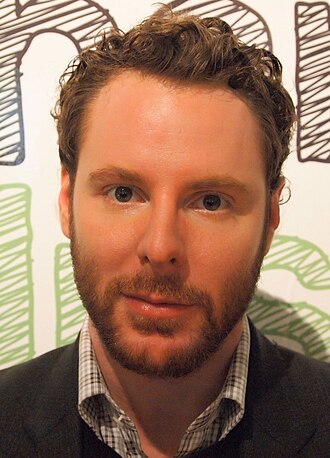
Sean Parker
Founder of the Parker Institute for Cancer Immunotherapy
Cancer immunotherapyResearch networksPhilanthropy
In 2016 he founded and funded an institute that runs cancer immunotherapy research as one network across a dozen leading cancer centres, sharing data, samples and patents rather than competing for them.
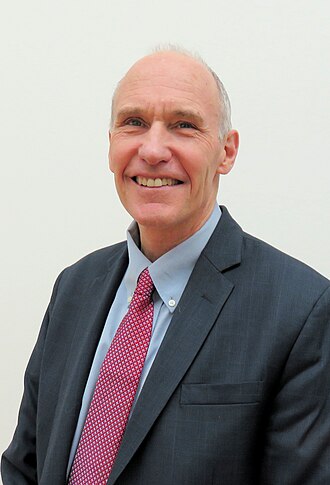
Carl H. June
Richard W. Vague Professor in Immunotherapy; Director, Center for Cellular Immunotherapies
CAR-T cell therapyGene-modified T cellsCellular immunotherapy
Developed the CD19 CAR-T therapy that became the first approved gene-modified cell therapy for cancer.
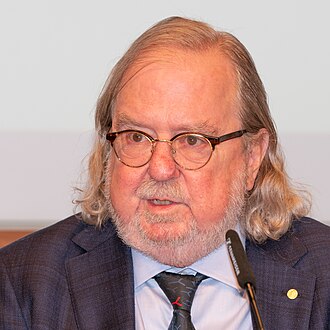
James P. Allison
Chair, Department of Immunology; Director, James P. Allison Institute, MD Anderson
Tumour immunologyImmune checkpoint blockadeT-cell biology
Discovered that blocking CTLA-4 unleashes T cells against cancer, the work behind ipilimumab and the 2018 Nobel Prize.
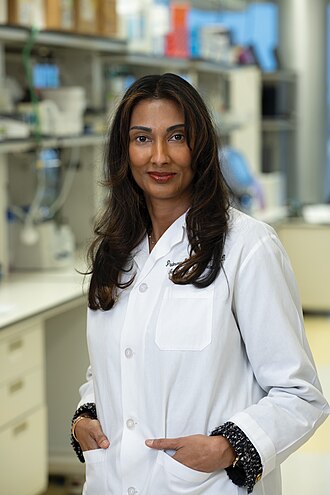
Padmanee Sharma
Professor of Genitourinary Medical Oncology and Immunology; Scientific Director, Immunotherapy Platform, MD Anderson
ImmunotherapyGenitourinary oncologyTranslational immunology
Runs the platform that studies patients' tumours before and after immunotherapy to learn why checkpoint drugs work or fail.
Jedd D. Wolchok
Meyer Director, Sandra and Edward Meyer Cancer Center, Weill Cornell Medicine
Melanoma immunotherapyCheckpoint inhibitor combinationsImmune-related response criteria
Led CheckMate 067, the trial whose ten-year data showed half of advanced melanoma patients on nivolumab plus ipilimumab are alive.
Similar pages
- Key paperHodi 2010: ipilimumab, the first checkpoint inhibitor, extends survival in metastatic melanoma
Shares Padmanee Sharma, Jedd D. Wolchok, James P. Allison, Dana-Farber Brigham Cancer Center.
- PersonSanford I. Weill
Shares UCSF Helen Diller Family Comprehensive Cancer Center, Stanford Health Care / Stanford Cancer Institute, Secrecy and intellectual property block collaboration, Funding follows fashion, not burden.
- Key paperLeach, Krummel and Allison: releasing the CTLA-4 brake makes mice reject tumours
Shares Padmanee Sharma, James P. Allison, MD Anderson Cancer Center, No one can predict who responds to immunotherapy.
- PersonLeonard Abramson
Shares Carl H. June, Abramson Cancer Center, University of Pennsylvania, Funding follows fashion, not burden, CAR-T cell therapy.
- InstitutionDamon Runyon Cancer Research Foundation
Shares UCSF Helen Diller Family Comprehensive Cancer Center, Stanford Health Care / Stanford Cancer Institute, Dana-Farber Brigham Cancer Center, Funding follows fashion, not burden.
- PersonDaniel K. Ludwig
Shares James P. Allison, Stanford Health Care / Stanford Cancer Institute, Funding follows fashion, not burden, Memorial Sloan Kettering Cancer Center.
- PersonSharon Belvin
Shares James P. Allison, No one can predict who responds to immunotherapy, Memorial Sloan Kettering Cancer Center, Immune checkpoint inhibitors.
- Key paperRibas and Wolchok 2018: cancer immunotherapy using checkpoint blockade
Shares Jedd D. Wolchok, UCLA Jonsson Comprehensive Cancer Center, Memorial Sloan Kettering Cancer Center, Immune checkpoint inhibitors.
fronts
technologies
companies
institutions
Abramson Cancer Center, University of PennsylvaniaCity of HopeDana-Farber Brigham Cancer CenterFred Hutchinson Cancer CenterMD Anderson Cancer CenterMemorial Sloan Kettering Cancer CenterSiteman Cancer Center, Washington UniversityStanford Health Care / Stanford Cancer InstituteThe Mount Sinai Hospital / Tisch Cancer InstituteUCLA Jonsson Comprehensive Cancer CenterUCSF Helen Diller Family Comprehensive Cancer Center