Loading
journalsJournal

Nature
Nature is the world's leading multidisciplinary science journal. The big cancer biology discoveries land here: cancer genome atlases, tumour evolution, new drug targets and early first-in-human results.
Also called: Nature
Overview
Nature appears weekly. In cancer it publishes the discovery papers that later become drugs and tests (KRAS G12C inhibition, Ostrem 2013), large sequencing consortia (TCGA, PCAWG, TRACERx), the mRNA neoantigen vaccine and menin-inhibitor first-in-human reports, and foundational tools such as AlphaFold. Hybrid since 2021 with an open-access option; news and comment pages shape research policy debates.
Publisher
Springer Nature
Scope
general science
Website
Access model
hybrid
Founded
1869
ISSN
0028-0836
Impact factor (2023)
50.5 · Clarivate Journal Citation Reports 2024 (2023 JIF)
observational2025175 citations
A vision-language foundation model for precision oncology
One technology page on OnCo cites this paper by its DOI; this record gives the citation a page of its own so a reader can follow it without leaving OnCo. Read the abstract above alongside the citing page listed under Related; the record was created automatically from the Europe PMC entry and its figures have not been checked by hand.
basic2025150 citations
Geographic and age variations in mutational processes in colorectal cancer
If a childhood exposure to colibactin-producing Escherichia coli writes APC mutations into the colon decades before a tumour appears, then the rise in early-onset bowel cancer may be preventable by something done in childhood rather than by screening alone.
translational2025277 citations
RNA neoantigen vaccines prime long-lived CD8+ T cells in pancreatic cancer
The strongest human evidence that a cancer vaccine can make durable T cells in a tumour with few mutations; the randomised phase 2 IMCODE003 (260 patients, primary completion listed for January 2031) is the test of whether that translates into fewer relapses.
observational2024393 citations
A pathology foundation model for cancer diagnosis and prognosis prediction
One technology page on OnCo cites this paper by its DOI; this record gives the citation a page of its own so a reader can follow it without leaving OnCo. Read the abstract above alongside the citing page listed under Related; the record was created automatically from the Europe PMC entry and its figures have not been checked by hand.
observational2024578 citations
A whole-slide foundation model for digital pathology from real-world data
One technology page on OnCo cites this paper by its DOI; this record gives the citation a page of its own so a reader can follow it without leaving OnCo. Read the abstract above alongside the citing page listed under Related; the record was created automatically from the Europe PMC entry and its figures have not been checked by hand.
observational202412,534 citations
Accurate structure prediction of biomolecular interactions with AlphaFold 3
One technology page and one roadmap page on OnCo cite this paper by its DOI; this record gives the citation a page of its own so a reader can follow it without leaving OnCo. Read the abstract above alongside the citing pages listed under Related; the record was created automatically from the Europe PMC entry and its figures have not been checked by hand.
basic2024changed practice341 citations
Concurrent inhibition of oncogenic and wild-type RAS-GTP for cancer therapy
The mechanism that let one drug address G12D, G12V and G12R together, which is why the RASolute 302 trial could enrol unselected pancreatic cancer and nearly double survival.
translational2023changed practice459 citations
AUGMENT-101: revumenib, the first menin inhibitor, in relapsed leukaemias driven by KMT2A rearrangement or NPM1 mutation
Revumenib proved that a transcriptional dependency, rather than a kinase, can be drugged in leukaemia, opening treatment for two genetic subgroups that together cover roughly a third of AML plus most infant ALL. It is now approved and is being combined with venetoclax-azacitidine and intensive chemotherapy in front-line trials. Single-agent remissions are often short without transplant.
observational20231,868 citations
De novo design of protein structure and function with RFdiffusion
One technology page on OnCo cites this paper by its DOI; this record gives the citation a page of its own so a reader can follow it without leaving OnCo. Read the abstract above alongside the citing page listed under Related; the record was created automatically from the Europe PMC entry and its figures have not been checked by hand.
translational2023651 citations
Lung adenocarcinoma promotion by air pollutants
It reframes air quality as cancer policy rather than respiratory policy, and it explains the shape of lung cancer in never-smokers: the mutations are common and mostly silent, and what differs is whether something inflames the tissue enough to let one of them grow.
translational20231,139 citations
Rojas 2023: a personalised mRNA vaccine trained T cells against each patient's pancreatic cancer, and those who responded stayed cancer-free longer
Pancreatic cancer was thought to be immunologically inert because of its low mutation burden; this study showed that with the right vaccine platform its few neoantigens can still be targeted. It is the strongest human evidence so far that personalised cancer vaccines can generate durable, tumour-specific immunity, and it justifies the randomised trials now running in pancreatic cancer and melanoma. Benefit is not yet proven, because responders may simply have had more immunogenic tumours.
translational2023288 citations
TRACERx 421: the full-cohort picture of how lung cancer evolves and which subclones drive relapse
Relapse after surgery is driven by particular subclones that can be identified in the primary tumour and tracked in blood, which argues for evolution-aware adjuvant strategies. The pollution finding reframes carcinogenesis: some agents promote already-mutant cells rather than causing mutations.
observational2023866 citations
Transfer learning enables predictions in network biology
One technology page on OnCo cites this paper by its DOI; this record gives the citation a page of its own so a reader can follow it without leaving OnCo. Read the abstract above alongside the citing page listed under Related; the record was created automatically from the Europe PMC entry and its figures have not been checked by hand.
basic2022736 citations
GD2-CAR T cell therapy for H3K27M-mutated diffuse midline gliomas
One cancer page and one technology page on OnCo cite this paper by its DOI; this record gives the citation a page of its own so a reader can follow it without leaving OnCo. Read the abstract above alongside the citing pages listed under Related; the record was created automatically from the Europe PMC entry and its figures have not been checked by hand.
methods202137,040 citations
AlphaFold 2: predicting protein structures to near-experimental accuracy
The shape of nearly every protein is now available to any researcher in seconds instead of years, which shortens the path from a cancer target to a designed molecule. It does not by itself produce drugs: binding pockets, dynamics and cellular context still need experiment.
basic20201,093 citations
Autophagy promotes immune evasion of pancreatic cancer by degrading MHC-I
One pathway page on OnCo cites this paper by its DOI; this record gives the citation a page of its own so a reader can follow it without leaving OnCo. Read the abstract above alongside the citing page listed under Related; the record was created automatically from the Europe PMC entry and its figures have not been checked by hand.
observational20201,668 citations
B cells are associated with survival and immunotherapy response in sarcoma
One of the most cited papers Europe PMC returns for Antoine Italiano at Institut Bergonié, so it is a natural starting point for reading their work. The record was linked automatically from the author list and affiliation; read the abstract above and the paper itself before relying on any figure.
observational2020456 citations
Single-cell mutation analysis of clonal evolution in myeloid malignancies
One of the most cited papers Europe PMC returns for Raajit K. Rampal at Memorial Sloan Kettering Cancer Center, so it is a natural starting point for reading their work. The record was linked automatically from the author list and affiliation; read the abstract above and the paper itself before relying on any figure.
observational2020116 citations
The National Lung Matrix Trial of personalized therapy in lung cancer
One trial page on OnCo cites this paper by its DOI; this record gives the citation a page of its own so a reader can follow it without leaving OnCo. Read the abstract above alongside the citing page listed under Related; the record was created automatically from the Europe PMC entry and its figures have not been checked by hand.
observational20203,197 citations
The repertoire of mutational signatures in human cancer
One pathway page on OnCo cites this paper by its DOI; this record gives the citation a page of its own so a reader can follow it without leaving OnCo. Read the abstract above alongside the citing page listed under Related; the record was created automatically from the Europe PMC entry and its figures have not been checked by hand.
observational2020474 citations
Tobacco smoking and somatic mutations in human bronchial epithelium
One term page on OnCo cites this paper by its DOI; this record gives the citation a page of its own so a reader can follow it without leaving OnCo. Read the abstract above alongside the citing page listed under Related; the record was created automatically from the Europe PMC entry and its figures have not been checked by hand.
review20192,043 citations
A view on drug resistance in cancer
One pathway page and one bottleneck page on OnCo cite this paper by its DOI; this record gives the citation a page of its own so a reader can follow it without leaving OnCo. Read the abstract above alongside the citing pages listed under Related; the record was created automatically from the Europe PMC entry and its figures have not been checked by hand.
observational2019316 citations
Efficacy of MEK inhibition in patients with histiocytic neoplasms
One cancer page on OnCo cites this paper by its DOI; this record gives the citation a page of its own so a reader can follow it without leaving OnCo. Read the abstract above alongside the citing page listed under Related; the record was created automatically from the Europe PMC entry and its figures have not been checked by hand.
basic20191,166 citations
Electrical and synaptic integration of glioma into neural circuits
One pathway page and one term page on OnCo cite this paper by its DOI; this record gives the citation a page of its own so a reader can follow it without leaving OnCo. Read the abstract above alongside the citing pages listed under Related; the record was created automatically from the Europe PMC entry and its figures have not been checked by hand.
translational2019551 citations
Genomic characterization of metastatic breast cancers
Re-biopsy and re-sequencing at relapse can find repair defects and a higher mutation burden that the primary did not show, which matters for PARP inhibitor and immunotherapy eligibility in metastatic TNBC.
observational20191,027 citations
Glutamatergic synaptic input to glioma cells drives brain tumour progression
One term page on OnCo cites this paper by its DOI; this record gives the citation a page of its own so a reader can follow it without leaving OnCo. Read the abstract above alongside the citing page listed under Related; the record was created automatically from the Europe PMC entry and its figures have not been checked by hand.
basic2019644 citations
The landscape of somatic mutation in normal colorectal epithelial cells
It sets the baseline the adenoma-carcinoma sequence starts from and warns against reading a driver mutation found in tissue, or in stool or blood, as evidence of cancer.
basic2019335 citations
VISTA is an acidic pH-selective ligand for PSGL-1
One target page on OnCo cites this paper by its DOI; this record gives the citation a page of its own so a reader can follow it without leaving OnCo. Read the abstract above alongside the citing page listed under Related; the record was created automatically from the Europe PMC entry and its figures have not been checked by hand.
basic2019388 citations
WRN helicase is a synthetic lethal target in microsatellite unstable cancers
One target page on OnCo cites this paper by its DOI; this record gives the citation a page of its own so a reader can follow it without leaving OnCo. Read the abstract above alongside the citing page listed under Related; the record was created automatically from the Europe PMC entry and its figures have not been checked by hand.
observational20181,411 citations
Chromosomal instability drives metastasis through a cytosolic DNA response
One pathway page on OnCo cites this paper by its DOI; this record gives the citation a page of its own so a reader can follow it without leaving OnCo. Read the abstract above alongside the citing page listed under Related; the record was created automatically from the Europe PMC entry and its figures have not been checked by hand.
translational2018103 citations
Precancerous neoplastic cells can move through the pancreatic ductal system
It reframes multifocal high-grade dysplasia found at surveillance: the pancreas may hold one spreading lesion rather than several, which bears on how much gland to remove.
basic20181,587 citations
TGF-beta drives immune evasion in genetically reconstituted colon cancer metastasis
It is the clearest mechanistic answer to why microsatellite-stable colorectal cancer resists immunotherapy, and the rationale for every TGF-beta plus checkpoint combination now in trials in this disease.
observational20184,519 citations
TGFβ attenuates tumour response to PD-L1 blockade by contributing to exclusion of T cells
One term page and one idea page on OnCo cite this paper by its DOI; this record gives the citation a page of its own so a reader can follow it without leaving OnCo. Read the abstract above alongside the citing pages listed under Related; the record was created automatically from the Europe PMC entry and its figures have not been checked by hand.
review20183,832 citations
The biology and management of non-small cell lung cancer
One pathway page on OnCo cites this paper by its DOI; this record gives the citation a page of its own so a reader can follow it without leaving OnCo. Read the abstract above alongside the citing page listed under Related; the record was created automatically from the Europe PMC entry and its figures have not been checked by hand.
basic20171,717 citations
Dependency of a therapy-resistant state of cancer cells on a lipid peroxidase pathway
One pathway page on OnCo cites this paper by its DOI; this record gives the citation a page of its own so a reader can follow it without leaving OnCo. Read the abstract above alongside the citing page listed under Related; the record was created automatically from the Europe PMC entry and its figures have not been checked by hand.
basic20171,566 citations
Drug-tolerant persister cancer cells are vulnerable to GPX4 inhibition
One idea page on OnCo cites this paper by its DOI; this record gives the citation a page of its own so a reader can follow it without leaving OnCo. Read the abstract above alongside the citing page listed under Related; the record was created automatically from the Europe PMC entry and its figures have not been checked by hand.
review20174,248 citations
Elements of cancer immunity and the cancer-immune set point
Two pathway pages and one bottleneck page on OnCo cite this paper by its DOI; this record gives the citation a page of its own so a reader can follow it without leaving OnCo. Read the abstract above alongside the citing pages listed under Related; the record was created automatically from the Europe PMC entry and its figures have not been checked by hand.
methods20175,493 citations
Esteva 2017: a deep neural network classifies skin cancer at dermatologist level
This paper made AI-assisted skin cancer triage a serious clinical prospect and became the template for later work in radiology and pathology. Prospective trials, regulatory clearance and performance across skin tones followed, and are where its promise is now being tested.
observational2017748 citations
Extrachromosomal oncogene amplification drives tumour evolution and genetic heterogeneity
One idea page on OnCo cites this paper by its DOI; this record gives the citation a page of its own so a reader can follow it without leaving OnCo. Read the abstract above alongside the citing page listed under Related; the record was created automatically from the Europe PMC entry and its figures have not been checked by hand.
translational2017987 citations
Identification of unique neoantigen qualities in long-term survivors of pancreatic cancer
It is the proof that T cells can control pancreatic cancer in some people, and the scientific basis for the personalised neoantigen vaccines now in trials.
observational20171,464 citations
Integrated genomic characterization of oesophageal carcinoma
One term page on OnCo cites this paper by its DOI; this record gives the citation a page of its own so a reader can follow it without leaving OnCo. Read the abstract above alongside the citing page listed under Related; the record was created automatically from the Europe PMC entry and its figures have not been checked by hand.
translational20171,507 citations
Phylogenetic ctDNA analysis depicts early-stage lung cancer evolution
The foundation of minimal residual disease testing in lung cancer: a blood test that says a patient will relapse months before a scan does, and says which part of the tumour is doing it. Whether acting on that signal changes outcome is what the ctDNA-guided trials are for.
translational2017changed practice1,186 citations
Whole-genome landscapes of major melanoma subtypes
The lower response of acral and mucosal melanoma to immunotherapy and the interest in KIT and CDK4/6 inhibitors for these subtypes follow from this genomic picture.
translational2016429 citations
A renewed model of pancreatic cancer evolution based on genomic rearrangement patterns
The textbook PanIN-to-cancer ladder is only part of the story, and a screening programme cannot assume years of orderly progression in every patient.
observational2016853 citations
Carcinoma-astrocyte gap junctions promote brain metastasis by cGAMP transfer
One pathway page on OnCo cites this paper by its DOI; this record gives the citation a page of its own so a reader can follow it without leaving OnCo. Read the abstract above alongside the citing page listed under Related; the record was created automatically from the Europe PMC entry and its figures have not been checked by hand.
basic20163,029 citations
Genomic analyses identify molecular subtypes of pancreatic cancer
With Moffitt's classical and basal-like split (the squamous and basal-like groups overlap) this fixed the molecular vocabulary of the disease and gave Precision-Panc and the UK's Glasgow group their trial framework.
review20161,579 citations
Metastatic colonization by circulating tumour cells
Two pathway pages and one idea page on OnCo cite this paper by its DOI; this record gives the citation a page of its own so a reader can follow it without leaving OnCo. Read the abstract above alongside the citing pages listed under Related; the record was created automatically from the Europe PMC entry and its figures have not been checked by hand.
basic20151,964 citations
Comprehensive genomic profiles of small cell lung cancer
Why small-cell lung cancer has no targeted therapy in the conventional sense: it is built from the loss of TP53 and RB1, and the drugs that transformed non-small-cell disease inhibit gains rather than restore losses. The NOTCH result pointed at DLL3 and, eventually, at tarlatamab.
observational20152,387 citations
Melanoma-intrinsic β-catenin signalling prevents anti-tumour immunity
One pathway page on OnCo cites this paper by its DOI; this record gives the citation a page of its own so a reader can follow it without leaving OnCo. Read the abstract above alongside the citing page listed under Related; the record was created automatically from the Europe PMC entry and its figures have not been checked by hand.
basic20151,128 citations
The evolutionary history of lethal metastatic prostate cancer
Metastatic prostate cancer is a communicating population, not a set of independent colonies, which is an argument for treating the whole body rather than chasing individual deposits, and an argument that resistance to androgen receptor drugs will emerge in several places at once because it emerges convergently.
basic20152,131 citations
Whole genomes redefine the mutational landscape of pancreatic cancer
The genomic case for platinum in BRCA-type pancreatic cancer, four years before POLO built a maintenance strategy on top of it.
translational2014changed practice5,078 citations
Comprehensive molecular characterisation of gastric adenocarcinoma (The Cancer Genome Atlas)
The immunotherapy sensitivity of microsatellite-unstable and Epstein-Barr virus-positive gastric cancer and the claudin 18.2 and HER2 targets map onto these subtypes.
basic20144,759 citations
Comprehensive molecular profiling of lung adenocarcinoma
It is the reference table the field still argues against, and it made two practical points that outlived it: a tumour with no driver on a standard panel usually has one that the panel did not look for, and pathway activity measured on protein does not follow from the mutation list.
basic2014470 citations
Epigenomic alterations define lethal CIMP-positive ependymomas of infancy
One term page on OnCo cites this paper by its DOI; this record gives the citation a page of its own so a reader can follow it without leaving OnCo. Read the abstract above alongside the citing page listed under Related; the record was created automatically from the Europe PMC entry and its figures have not been checked by hand.
translational20145,541 citations
Tumeh 2014: PD-1 blockade works by releasing T cells already present at the tumour edge
This paper explained why PD-1 antibodies work in some patients and not others and introduced the idea of inflamed versus non-inflamed tumours that now guides combination strategies designed to bring T cells into cold tumours.
translational2013changed practice4,504 citations
Integrated genomic characterisation of endometrial carcinoma (The Cancer Genome Atlas)
This is the origin of the molecular classification now used for every endometrial cancer, translated into a practical test by ProMisE.
basic20132,090 citations
Ostrem and Shokat: the hidden pocket that made KRAS G12C druggable
The most frequently mutated oncogene in cancer stopped being undruggable, and patients with KRAS G12C lung and bowel cancers now have targeted pills. The approach, exploiting a mutation-created chemical handle and an inactive-state pocket, has become a template for other hard targets.
review20122,403 citations
Clonal evolution in cancer
One pathway page and one term page on OnCo cite this paper by its DOI; this record gives the citation a page of its own so a reader can follow it without leaving OnCo. Read the abstract above alongside the citing pages listed under Related; the record was created automatically from the Europe PMC entry and its figures have not been checked by hand.
basic20123,313 citations
Comprehensive genomic characterization of squamous cell lung cancers
It explained why squamous lung cancer has no equivalent of an EGFR inhibitor: its commonest alterations are a transcription factor amplicon, a tumour suppressor deletion and an antioxidant switch, none of which is a drug target in the way a mutant kinase is.
translational20127,079 citations
Comprehensive molecular characterization of human colon and rectal cancer
It is the reference description of the disease and the source of the hypermutated split that decides who gets immunotherapy; it also put HER2 on the colorectal map as a drug target.
translational201210,066 citations
Comprehensive molecular portraits of human breast tumours
This is the reference frequency table for basal-like disease: it explains why PARP inhibitors and platinum, borrowed from ovarian cancer, work in TNBC, and why the PI3K pathway is broken by copy number rather than the hotspot mutations that drugs were designed against.
observational20121,713 citations
Drug development: Raise standards for preclinical cancer research
Two bottleneck pages on OnCo cite this paper by its DOI; this record gives the citation a page of its own so a reader can follow it without leaving OnCo. Read the abstract above alongside the citing pages listed under Related; the record was created automatically from the Europe PMC entry and its figures have not been checked by hand.
translational20121,525 citations
Emergence of KRAS mutations and acquired resistance to anti-EGFR therapy in colorectal cancer
It made acquired resistance a measurable, plasma-readable event, and it is the origin of anti-EGFR rechallenge strategies guided by ctDNA clearance of the resistant clone.
translational20121,721 citations
Pancreatic cancer genomes reveal aberrations in axon guidance pathway genes
The APGI cohort became the backbone of the QCMG whole-genome and subtype papers; ATM's entry here is the origin of its place on today's germline panels.
translational2012821 citations
Recurrent R-spondin fusions in colon cancer
It gave the WNT pathway a second, druggable entry point: RSPO fusion tumours still need the upstream receptor complex, so they are the population porcupine and RSPO3 inhibitors are being tested in.
translational20121,566 citations
The clonal and mutational evolution spectrum of primary triple-negative breast cancers
The first TNBC-specific genome paper established that the disease has no shared driver beyond TP53 and that each tumour is a clonal mixture, the reason single-target drugs have struggled and ctDNA tracking needs patient-specific variants.
translational20121,353 citations
The molecular evolution of acquired resistance to targeted EGFR blockade in colorectal cancers
It reframed resistance as selection rather than mutation, which is why the field now asks how to suppress a pre-existing clone rather than how to prevent a new mutation, and why ctDNA is the natural monitoring tool.
basic20122,170 citations
The mutational landscape of lethal castration-resistant prostate cancer
The explanation for why prostate cancer has so few targeted drugs outside the hormone axis and the DNA-repair genes: it is a quiet genome with structural rather than point-mutational damage, and the recurrent changes sit in the machinery that reads DNA rather than in kinases.
translational2011changed practice6,392 citations
Integrated genomic analyses of ovarian carcinoma (The Cancer Genome Atlas)
The homologous recombination deficiency concept, and the case for testing all high-grade serous cancers for BRCA and related defects, come from this dataset.
translational20101,981 citations
Distant metastasis occurs late during the genetic evolution of pancreatic cancer
It is the quantitative case for early detection: the biology allows a fifteen-year window, and the disease is lethal because we look too late, not because it moves fast.
basic20103,555 citations
Selective inhibition of BET bromodomains
One cancer page on OnCo cites this paper by its DOI; this record gives the citation a page of its own so a reader can follow it without leaving OnCo. Read the abstract above alongside the citing page listed under Related; the record was created automatically from the Europe PMC entry and its figures have not been checked by hand.
methods20095,818 citations
Sato 2009: single Lgr5 stem cells build crypt-villus organoids
Organoids from patients' tumours are now used to test drugs before treatment, to model rare cancers and to study resistance. Every one of those systems descends from this culture method.
review20092,547 citations
The cancer genome
One term page on OnCo cites this paper by its DOI; this record gives the citation a page of its own so a reader can follow it without leaving OnCo. Read the abstract above alongside the citing page listed under Related; the record was created automatically from the Europe PMC entry and its figures have not been checked by hand.
basic20081,328 citations
Efficient tumour formation by single human melanoma cells
One term page on OnCo cites this paper by its DOI; this record gives the citation a page of its own so a reader can follow it without leaving OnCo. Read the abstract above alongside the citing page listed under Related; the record was created automatically from the Europe PMC entry and its figures have not been checked by hand.
observational2008392 citations
Translational research: crossing the valley of death
One bottleneck page and twelve idea pages on OnCo cite this paper by its DOI; this record gives the citation a page of its own so a reader can follow it without leaving OnCo. Read the abstract above alongside the citing pages listed under Related; the record was created automatically from the Europe PMC entry and its figures have not been checked by hand.
basic2007changed practice4,125 citations
Identification of the transforming EML4-ALK fusion gene in non-small-cell lung cancer
The second driver in lung cancer, and the one that proved the first was not a special case. It also established mutual exclusivity as a working assumption: a tumour usually has one driver, so finding it tells you what to give.
basic20064,913 citations
Bao 2006: glioma stem cells resist radiotherapy by activating the DNA damage response
This paper connected the cancer stem cell idea to a clinical problem, the near-universal recurrence of glioblastoma after radiotherapy, and gave a mechanism and a drug target. It is part of the rationale for combining radiotherapy with DNA damage response inhibitors now in trials.
basic2005553 citations
Dynamics of chronic myeloid leukaemia
One technology page on OnCo cites this paper by its DOI; this record gives the citation a page of its own so a reader can follow it without leaving OnCo. Read the abstract above alongside the citing page listed under Related; the record was created automatically from the Europe PMC entry and its figures have not been checked by hand.
basic20051,937 citations
Genes that mediate breast cancer metastasis to lung
One term page on OnCo cites this paper by its DOI; this record gives the citation a page of its own so a reader can follow it without leaving OnCo. Read the abstract above alongside the citing page listed under Related; the record was created automatically from the Europe PMC entry and its figures have not been checked by hand.
basic20052,299 citations
VEGFR1-positive haematopoietic bone marrow progenitors initiate the pre-metastatic niche
One term page on OnCo cites this paper by its DOI; this record gives the citation a page of its own so a reader can follow it without leaving OnCo. Read the abstract above alongside the citing page listed under Related; the record was created automatically from the Europe PMC entry and its figures have not been checked by hand.
basic20045,597 citations
Singh 2004: identification of human brain tumour initiating cells
This paper extended the cancer stem cell model to brain tumours and set up the later finding that these cells resist radiotherapy. It is the basis for treatment strategies aimed at the cells that regrow glioblastoma after surgery and chemoradiation.
review200211,326 citations
Coussens and Werb 2002: inflammation and cancer
This paper is why the tumour microenvironment is studied as intensely as the cancer cell itself. It underpins vaccination against HPV and hepatitis B as cancer prevention, aspirin and anti-inflammatory trials in bowel cancer, and the current work on macrophages and myeloid cells as immunotherapy targets.
basic20012,004 citations
IFNgamma and lymphocytes prevent primary tumour development and shape tumour immunogenicity
One term page on OnCo cites this paper by its DOI; this record gives the citation a page of its own so a reader can follow it without leaving OnCo. Read the abstract above alongside the citing page listed under Related; the record was created automatically from the Europe PMC entry and its figures have not been checked by hand.
review20016,824 citations
Reya 2001: stem cells, cancer and cancer stem cells
The paper launched two decades of work on tumour-initiating cells in solid cancers, on why relapse follows apparently complete responses, and on measuring residual disease at the level of the cells that can regrow it. It also connected developmental biology pathways to cancer drug discovery.
basic20006,077 citations
Distinct types of diffuse large B-cell lymphoma identified by gene expression profiling
One term page on OnCo cites this paper by its DOI; this record gives the citation a page of its own so a reader can follow it without leaving OnCo. Read the abstract above alongside the citing page listed under Related; the record was created automatically from the Europe PMC entry and its figures have not been checked by hand.
basic2000changed practice11,239 citations
Molecular portraits of human breast tumours
The origin of the intrinsic subtypes and of the word basal-like; triple-negative breast cancer is the clinical shadow of this molecular group, though the two overlap imperfectly.
review20004,908 citations
Vogelstein, Lane and Levine 2000: surfing the p53 network
This paper is the reason TP53 status, MDM2 amplification and CDKN2A loss are read together in tumour genomes. It frames the current drug development around MDM2 inhibitors and mutant p53 reactivators as attempts to restore a network rather than a single protein.
observational1997663 citations
Cancer-susceptibility genes. Gatekeepers and caretakers
One pathway page and one term page on OnCo cite this paper by its DOI; this record gives the citation a page of its own so a reader can follow it without leaving OnCo. Read the abstract above alongside the citing pages listed under Related; the record was created automatically from the Europe PMC entry and its figures have not been checked by hand.
basic19971,382 citations
Genetic instability in colorectal cancers
It split colorectal cancer into the two instability classes the field still uses, and made the chromosomal class a phenotype to be explained rather than background noise.
basic19943,371 citations
A cell initiating human acute myeloid leukaemia after transplantation into SCID mice
One term page on OnCo cites this paper by its DOI; this record gives the citation a page of its own so a reader can follow it without leaving OnCo. Read the abstract above alongside the citing page listed under Related; the record was created automatically from the Europe PMC entry and its figures have not been checked by hand.
basic19921,457 citations
Gene fusion with an ETS DNA-binding domain caused by chromosome translocation in human tumours
One target page on OnCo cites this paper by its DOI; this record gives the citation a page of its own so a reader can follow it without leaving OnCo. Read the abstract above alongside the citing page listed under Related; the record was created automatically from the Europe PMC entry and its figures have not been checked by hand.
observational19831,618 citations
Hypomethylation distinguishes genes of some human cancers from their normal counterparts
One term page on OnCo cites this paper by its DOI; this record gives the citation a page of its own so a reader can follow it without leaving OnCo. Read the abstract above alongside the citing page listed under Related; the record was created automatically from the Europe PMC entry and its figures have not been checked by hand.
Alan Ashworth
President, UCSF Helen Diller Family Comprehensive Cancer Center
DNA repairSynthetic lethalityBRCA
Co-discovered that BRCA-deficient cancers die when PARP is blocked, the idea behind an entire drug class.
Alastair Greystoke
Professor of Precision Oncology, Newcastle University; Consultant Medical Oncologist, Northern Centre for Cancer Care; Clinical Director for Cancer, North East and Yorkshire Genomic Medicine Service
Early-phase lung cancer drug developmentCirculating tumour DNA in the diagnostic pathwayPharmacodynamic biomarkers
The Newcastle oncologist who led the NHS England pilot that put a blood test for lung cancer mutations into the diagnostic pathway, and who co-leads the CONCORDE radiotherapy platform.
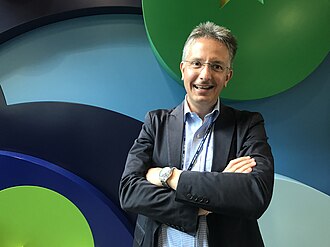
Alberto Bardelli
Scientific Director, IFOM ETS - The AIRC Institute of Molecular Oncology; Professor, University of Turin
Colorectal cancer genomicsLiquid biopsyAcquired resistance
Used ctDNA to show how colorectal cancers evolve resistance to EGFR antibodies and how that resistance can fade.
Andreas von Deimling
Head of Neuropathology, Heidelberg University Hospital and DKFZ
NeuropathologyBrain tumour classificationDNA methylation profiling
Co-created the DNA methylation classifier that changed how brain tumours are diagnosed worldwide.
Antoine Italiano
Head of Early-Phase Trials and Sarcoma Unit, Institut Bergonié, Bordeaux
SarcomaEarly-phase trialsPrecision oncology
Bordeaux oncologist who led CABONE, the trial that showed cabozantinib shrinks or stabilises osteosarcoma and Ewing sarcoma after standard treatment has failed.
Antoni Ribas
Professor of Medicine; Director, Tumor Immunology Program, UCLA Jonsson Comprehensive Cancer Center
MelanomaImmunotherapyResistance to checkpoint blockade
Melanoma immunotherapy leader behind pembrolizumab's first trials and the science of why immunotherapy fails.
Arto Mannermaa
Representative of Kuopio University Hospital Cancer Center to the Organisation of European Cancer Institutes
Cancer centre representation (OECI)
Arto Mannermaa represents Kuopio University Hospital Cancer Center in the Organisation of European Cancer Institutes, which lists the centre among its members in Finland.
Ash A. Alizadeh
Professor of Medicine (Oncology), Stanford University
Circulating tumour DNALymphomaComputational oncology
Co-invented the CAPP-Seq method for reading tumour DNA in blood and used it to track lymphoma and lung cancer.
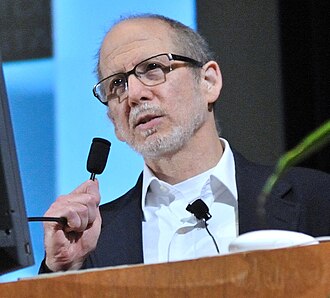
Bert Vogelstein
Clayton Professor of Oncology; Co-Director, Ludwig Center; HHMI Investigator
Cancer geneticsColorectal tumorigenesisLiquid biopsy
Bert Vogelstein is the most-cited scientist in cancer genetics: he mapped how colorectal cancer develops and founded the field of cancer genome sequencing and blood-based detection.
Bradley Cairns
Chief Executive Officer
Chromatin and epigeneticsGermline biologyCancer research leadership
Epigenetics researcher who became CEO of Huntsman Cancer Institute at the University of Utah in September 2025.
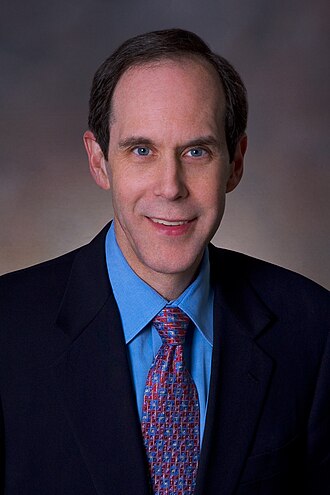
Brian Druker
Physician-scientist who brought imatinib to patients with chronic myeloid leukaemia
Chronic myeloid leukaemiaKinase inhibitorsTargeted therapy
He pushed a shelved kinase inhibitor through the laboratory and into a 1998 trial when few believed a targeted pill could work. Imatinib made chronic myeloid leukaemia a disease people live with, and became the model for targeted therapy.
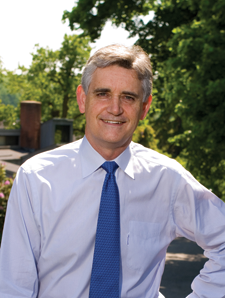
Bruce W. Stillman
President and Chief Executive Officer
DNA replicationChromatinGenome stability
Bruce Stillman discovered how DNA replication starts, the process cancer cells push into overdrive.
Carlos Caldas
Professor of Cancer Medicine, University of Cambridge; Senior Group Leader, CRUK Cambridge Institute
Breast cancer genomicsIntegrative clustersPatient-derived xenografts
Led METABRIC, which used 2,000 tumours to define ten genomic subtypes of breast cancer and their long-term outcomes.
Catherine J. Wu
Chief, Division of Stem Cell Transplantation and Cellular Therapies, Dana-Farber Cancer Institute; Professor, Harvard Medical School
Neoantigen vaccinesCancer genomicsCLL evolution
Led the first personalised neoantigen peptide vaccine trial in melanoma and mapped how CLL evolves under treatment.
Charles M. Perou
Professor of Genetics and Pathology, UNC Lineberger Comprehensive Cancer Center
Breast cancer genomicsIntrinsic subtypesPAM50
Defined the molecular subtypes of breast cancer (luminal, HER2-enriched, basal-like) that clinicians now use every day.
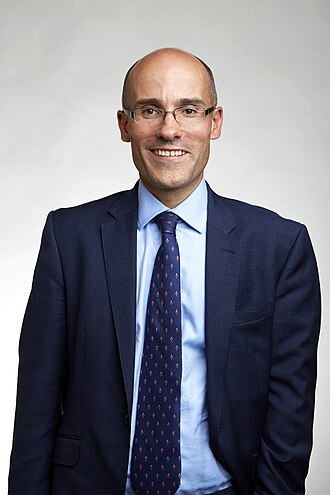
Charles Swanton
Deputy Clinical Director, Francis Crick Institute; Chief Clinician, Cancer Research UK
Tumour evolutionLung cancerCirculating tumour DNA
Leads TRACERx, the study that follows lung cancers as they evolve, and showed how air pollution can trigger lung cancer without new mutations.
Christine H. Chung
Chair, Department of Head and Neck-Endocrine Oncology
Head and neck cancerHPV-associated cancerGenomics
Head and neck oncologist who helped define the genomic subtypes of HPV-positive and HPV-negative disease.
Christopher Lord
Professor of Cancer Genomics; Deputy Director, Breast Cancer Now Research Centre, ICR
Synthetic lethalityPARP inhibitorsDNA repair
Co-discovered the synthetic lethality between PARP inhibition and BRCA loss that underlies PARP inhibitor therapy.
Christopher R. Vakoc
Professor, CSHL Cancer Center
Transcriptional dependenciesBET and chromatin regulatorsCRISPR domain screens
Found that leukaemias depend on the chromatin reader BRD4, launching BET inhibitors, and mapped transcriptional addictions in sarcoma.
Costas A. Lyssiotis
Maisel Research Professor of Oncology
Cancer metabolismPancreatic cancerTumour-stroma metabolic crosstalk
Costas Lyssiotis shows how pancreatic tumours feed off their surrounding cells and how to cut the supply.
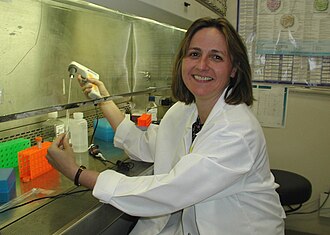
Crystal L. Mackall
Director, Stanford Center for Cancer Cell Therapy; Ernest and Amelia Gallo Family Professor
CAR-T cell therapyPaediatric oncologyImmunotherapy
Crystal Mackall is a cell therapy pioneer whose team brought GD2 CAR-T to children with brain tumours that had no treatment.
Dan Theodorescu
Director, University of Arizona Cancer Center
UrologyCellular and molecular medicineDevelopmental therapeutics
Professor of urology and of cellular and molecular medicine who directs the University of Arizona Cancer Center, the NCI-designated cancer centre in Tucson.
Daniel A. Haber
Director, Mass General Cancer Center; HHMI Investigator
Circulating tumour cellsEGFR mutationsCancer genetics
Co-discovered EGFR mutations in lung cancer and pioneered circulating tumour cell technology.
David L. Porter
Jodi Fisher Horowitz Professor in Leukemia Care Excellence; Director, Cell Therapy and Transplant
CAR-TChronic lymphocytic leukaemiaStem cell transplant
Treated the first adult CLL patients with CAR-T and reported a decade of durable remissions.
Douglas A. Levine
Director of Gynecologic Oncology, NYU Langone Perlmutter Cancer Center
Gynaecologic oncology surgeryEndometrial cancer genomicsOvarian cancer genomics
Surgeon-scientist who led the TCGA endometrial cancer study that created today's four molecular subtypes.
Emile Voest
Medical Oncologist and Group Leader, Netherlands Cancer Institute
Precision oncologyOrganoidsOff-label drug access trials
Led the DRUP trial giving off-label targeted drugs by genomic match, and developed organoid-based testing.

Erin K. O'Shea
President
Systems biologyGene regulationResearch funding leadership
Systems biologist who has led the Howard Hughes Medical Institute, a major funder of US biomedical and cancer research, since 2016.
Eytan M. Stein
Chief, Leukemia Service, Memorial Sloan Kettering Cancer Center
Acute myeloid leukaemiaIDH inhibitorsMenin inhibitors
Led the enasidenib and revumenib trials that brought IDH2 and menin inhibitors to acute leukaemia.
Fabrice André
Director of Research, Gustave Roussy; Professor of Medical Oncology, Paris-Saclay
Breast cancerPrecision oncologyGenomics-driven trials
Breast cancer geneticist who led SOLAR-1 and the SAFIR precision-medicine trials; ESMO President 2025-2026.
Faisal Mahmood
Associate Professor of Pathology, Harvard Medical School and Brigham and Women's Hospital; Associate Member, Broad Institute
Computational pathologyPathology foundation modelsMultimodal AI
Built UNI and CONCH, the pathology foundation models that let AI read whole-slide images across cancer types.
Ferdinandos Skoulidis
Associate Professor of Thoracic/Head and Neck Medical Oncology, MD Anderson Cancer Center
KRAS-mutant lung cancerCo-mutations and immunotherapy resistanceTargeted therapy
Led CodeBreaK 100, the trial that made sotorasib the first approved KRAS inhibitor, and showed STK11/KEAP1 co-mutations blunt immunotherapy.
Fernando Peláez
Acting Scientific Director
Drug discoveryMicrobiologyResearch management
Biologist and long-time CNIO director of biotechnology programmes who became Acting Scientific Director of Spain's national cancer research centre in 2025.
Gad Getz
Director, Cancer Genome Computational Analysis; Institute Member
Cancer genome analysisMutational signaturesTumour heterogeneity
Wrote the algorithms (MuTect, MutSig, ABSOLUTE) that most cancer genome studies use to find mutations.
Gary Middleton
Professor of Medical Oncology, University of Birmingham; Honorary Consultant Oncologist, University Hospitals Birmingham; Director of the Birmingham Experimental Cancer Medicine Centre
Umbrella and platform trialsImmuno-oncology in lung cancerBiomarker-directed therapy
The Birmingham oncologist who ran the National Lung Matrix Trial, the largest umbrella trial in lung cancer, and published the honest answer: most drug-biomarker pairs did not work.
Ghayas C. Issa
Associate Professor of Leukemia, MD Anderson Cancer Center
Acute leukaemiaMenin inhibitorsKMT2A-rearranged leukaemia
First author of the revumenib trial that created the menin inhibitor class for acute leukaemia.
Gianvito Martino
Scientific Director (Direttore Scientifico)
NeuroscienceNeuroimmunologyResearch leadership
Neurologist and neural stem cell researcher who serves as Scientific Director of IRCCS Ospedale San Raffaele in Milan.
Giulio Draetta
Chief Scientific Officer, MD Anderson Cancer Center
Cancer biologyDrug discoveryTranslational research
MD Anderson's chief scientist, a cell-cycle biologist who ran drug discovery in industry before leading the centre's research.
Harlan M. Krumholz
Principal Investigator
Clinical trial data sharingOutcomes researchCardiology
Yale outcomes researcher who founded and leads the YODA Project for independent access to clinical trial data.
Irving L. Weissman
Virginia and D.K. Ludwig Professor; Founding Director, Stanford Institute for Stem Cell Biology and Regenerative Medicine
Stem cell biologyCancer stem cellsInnate immune checkpoints
Isolated the first blood stem cells and discovered the 'don't eat me' signal CD47 on cancer cells.
Jason Carroll
Interim Director
Breast cancerOestrogen receptor biologyTranscriptional regulation
Molecular oncologist and Interim Director of the Cancer Research UK Cambridge Institute, known for mapping how the oestrogen receptor drives breast cancer.
Jean Abraham
Professor of Precision Breast Cancer Medicine and Honorary Consultant in Medical Oncology, University of Cambridge; Director, Precision Breast Cancer Institute; Consultant, Addenbrooke's Hospital
Triple-negative breast cancerHereditary (BRCA) breast cancerNeoadjuvant trials
Chief investigator of PARTNER, the UK trial of neoadjuvant olaparib with platinum chemotherapy in triple-negative and BRCA-associated breast cancer, run from Addenbrooke's across 23 NHS sites (30 on the ClinicalTrials.gov record).
Jean-Pierre Delord
Administrator of the GCS (Groupement de Coopération Sanitaire)
Medical oncologyEarly-phase clinical trialsHead and neck cancer
Medical oncologist who leads the IUCT Oncopole cooperation group in Toulouse and runs early-phase cancer drug trials.
Jeffrey A. Bluestone
Founding President and Chief Executive Officer, Parker Institute for Cancer Immunotherapy (2016 to 2021); Chief Executive Officer and President, Sonoma BioTherapeutics
T cell immunologyImmune tolerance and regulatory T cellsCheckpoint biology (CTLA-4)
The immunologist who ran the Parker Institute from its launch in 2016, building a shared research network across leading US cancer centres; he came from UCSF and now leads a regulatory T cell company.

John E. Dick
Senior Scientist, Princess Margaret Cancer Centre; Canada Research Chair in Stem Cell Biology
Leukaemia stem cellsHaematopoiesisPre-leukaemic clones
Discovered cancer stem cells, showing leukaemia is driven by a rare population of self-renewing cells.
John M. Maris
Giulio D'Angio Chair in Neuroblastoma Research, Children's Hospital of Philadelphia
Neuroblastoma genomicsPaediatric oncologyImmunotherapy targets
Neuroblastoma geneticist whose lab found the ALK mutations and immunotherapy targets now in paediatric trials.
Joseph Trapani
Executive Director, Cancer Research, Peter Mac; immunologist
Cancer immunologyCytotoxic lymphocytesPerforin and granzymes
An immunologist who worked out how killer T cells destroy their targets, and now directs research at Australia's cancer hospital.
Judah Folkman
Surgeon-scientist who proposed and proved that tumours depend on new blood vessels
AngiogenesisTumour biologyAnti-angiogenic therapy
In 1971 he proposed that tumours cannot grow beyond a few millimetres without recruiting blood vessels, and that blocking them could treat cancer. Dismissed for decades, the idea produced bevacizumab and a class of drugs.
Kevan M. Shokat
Professor of Cellular and Molecular Pharmacology, UCSF; Investigator, Howard Hughes Medical Institute
Chemical biologyKRASKinase inhibitors
The chemist whose lab found the hidden pocket in KRAS G12C that made the 'undruggable' target druggable.
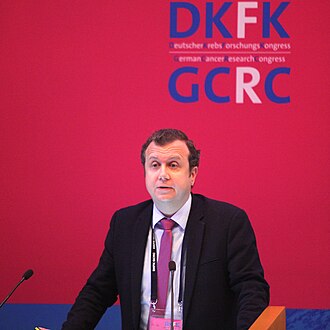
Lars Zender
Deputy Speaker; Medical Director, Internal Medicine VIII (Medical Oncology and Pulmonology)
Medical oncologyLiver cancer biologySenescence and tumour surveillance
Medical oncologist and cancer biologist at Tübingen, known for work on senescence surveillance and functional genomics in liver cancer.
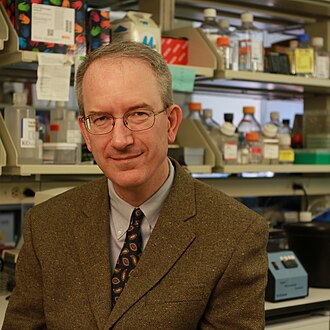
Louis M. Staudt
Director, Center for Cancer Genomics; Chief, Lymphoid Malignancies Branch
Lymphoma genomicsMolecular subtypes of DLBCLBTK signalling
Louis Staudt defined the molecular subtypes of large B-cell lymphoma that guide targeted therapy.
Ludmil B. Alexandrov
Professor of Cellular and Molecular Medicine and Bioengineering, UC San Diego
Mutational signaturesCancer genomicsComputational biology
Created the mathematical framework for extracting mutational signatures from cancer genomes and the COSMIC signature catalogue.

Maike Sander
Scientific Director and Chair of the Board
Stem cell biologyPancreatic islet biologyOrganoid models
Stem-cell and pancreas biologist who has led the Max Delbrück Center as Scientific Director since November 2022.
Marc H.G.P. Raaijmakers
Vice Chair
Myelodysplastic syndromesBone marrow niche biologyHaematology
Erasmus MC haematologist and HOVON Vice Chair known for research on the bone marrow microenvironment in MDS.
Maximilian Diehn
Professor of Radiation Oncology, Stanford University
Radiation oncologyCirculating tumour DNALung cancer
Radiation oncologist who showed a blood test can detect leftover lung cancer months before scans.
Michael Stratton
Senior Group Leader; former Director
Cancer genomicsMutational signaturesSomatic mutation
Pioneer of cancer genome sequencing and mutational signatures; led the Cancer Genome Project and formerly directed the Sanger Institute.
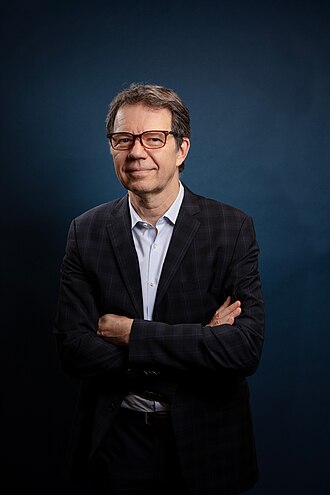
Michel Sadelain
Director, Columbia Initiative in Cell Engineering and Therapy, Columbia University Irving Medical Center
CAR T-cell engineeringGene therapySynthetic immunology
Designed the second-generation CAR with a CD28 costimulatory domain that made CAR-T therapy work.
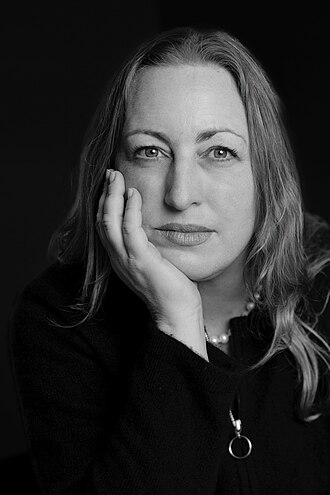
Michelle Monje
Professor of Neurology and Neurological Sciences, Stanford University; HHMI Investigator
Paediatric high-grade gliomaCancer neuroscienceGD2 CAR T cells
Founded cancer neuroscience and led the GD2 CAR-T trial that produced the first regressions of diffuse midline glioma.
Moshe Oren
Professor, Department of Molecular Cell Biology, Weizmann Institute of Science
p53 biologyMutant p53 gain of functionTumour suppression
Cloned p53 and then spent a career on what it does. The field's first reading of his own 1984 result, that p53 was an oncogene, turned out to be wrong, and the correction is the better story.
Nikhil Tandon
Director
EndocrinologyMetabolic diseaseAcademic medicine leadership
Endocrinologist appointed Director of AIIMS New Delhi in 2026, India's premier public medical institute and home to the Dr. B.R. Ambedkar Institute Rotary Cancer Hospital.
Nitzan Rosenfeld
Professor of Cancer Genomics, Barts Cancer Institute; former Senior Group Leader, CRUK Cambridge Institute
Circulating tumour DNALiquid biopsy methodsCancer genomics
Showed that whole-exome sequencing of blood can track how a cancer evolves, and co-founded Inivata.
Olivier Delattre
Director, Research Center, Institut Curie; Head, Genetics and Biology of Cancers
Paediatric sarcomaEwing sarcoma geneticsCancer genomics
Olivier Delattre discovered the EWS-FLI1 fusion that defines Ewing sarcoma.
Owen Sansom
Scientific Director, CRUK Scotland Centre
Colorectal cancer biologyPancreatic cancerWnt signalling
Glasgow cancer biologist who directs the CRUK Scotland Institute and is Scientific Director of the CRUK Scotland Centre, known for mouse models of colorectal and pancreatic cancer.
Patrick Mehlen
Director of Fundamental and Translational Research and of the Cancer Research Center of Lyon (CRCL)
Cancer cell biologyDependence receptorsNetrin-1
Cancer biologist who discovered the dependence-receptor concept and took netrin-1 blockade from bench to clinical trials at Centre Léon Bérard.
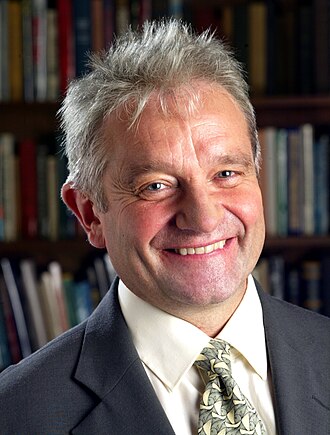
Paul Nurse
Director, Francis Crick Institute; Nobel laureate
Cell cycleCyclin-dependent kinasesInstitute leadership
Nobel laureate who discovered how cyclin-dependent kinases control cell division, and founding director of the Crick.
Raajit K. Rampal
Haematologist, Memorial Sloan Kettering Cancer Center
MyelofibrosisMyeloproliferative neoplasmsCombination therapy trials
New York haematologist who led MANIFEST-2, the trial testing whether adding the BET inhibitor pelabresib to ruxolitinib helps people with myelofibrosis more than ruxolitinib alone.
Rajesh S. Gokhale
Secretary, Department of Biotechnology, Government of India
Chemical biologyMicrobial metabolismScience administration
Chemical biologist who leads India's Department of Biotechnology as its Secretary, having previously directed the Institute of Genomics and Integrative Biology in New Delhi.
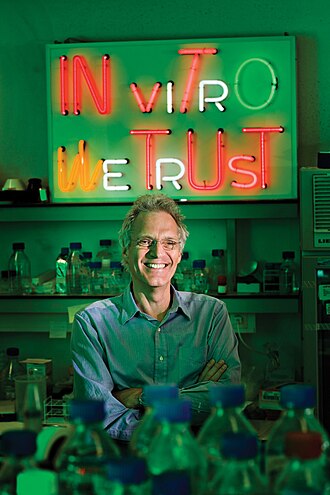
René Bernards
Senior Group Leader, Netherlands Cancer Institute; Professor, Utrecht University
Cancer geneticsDrug resistanceFunctional genomics
Cancer geneticist who explained why BRAF inhibitors fail in colorectal cancer, leading to the BEACON combination.
Robbie G. Majzner
Director of Solid Tumor Immunotherapy, Department of Oncology, St. Jude Children's Research Hospital
Paediatric CAR T-cell therapySolid tumour immunotherapyGD2 and B7-H3 targets
Led the GD2 CAR-T trial in diffuse midline glioma and defined antigen density as a barrier to CAR-T in solid tumours.
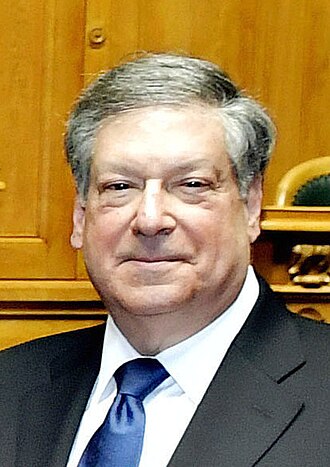
Robert D. Schreiber
Andrew M. and Jane M. Bursky Distinguished Professor; Director, Bursky Center for Human Immunology and Immunotherapy Programs
Cancer immunoeditingNeoantigensInterferon-gamma
Proposed cancer immunoediting and showed neoantigens are the targets of checkpoint immunotherapy.
Roman Thomas
Director, Department of Translational Genomics, University of Cologne
Cancer genomicsSmall-cell lung cancerLung cancer biology
Roman Thomas is a cancer genomicist who mapped the genomes of small-cell lung cancer.
Sanjay Popat
Chief Medical Officer and Consultant Medical Oncologist, The Royal Marsden NHS Foundation Trust; Professor of Thoracic Oncology, The Institute of Cancer Research
Thoracic oncologyTargeted therapy in lung cancerClinical trial design
The Royal Marsden thoracic oncologist, now its chief medical officer, who has been an investigator on most of the UK trials that put targeted drugs into lung cancer practice.
Semir Beyaz
Assistant Professor, CSHL Cancer Center
Diet and cancerIntestinal stem cellsImmunometabolism
Shows how diet reprogrammes intestinal stem cells and immunity to change colorectal cancer risk.
Serena Nik-Zainal
Professor of Genomic Medicine and Bioinformatics, University of Cambridge; Honorary Consultant in Clinical Genetics
Mutational signaturesWhole-genome sequencingBreast cancer genomics
Deciphered the mutational signatures written in cancer genomes and turned them into clinical tests like HRDetect.
Silvana Konermann
Executive Director and Core Investigator, Arc Institute
Functional genomicsCRISPR technologiesNeurodegeneration
Neuroscientist and co-founder who runs the Arc Institute, an independent research institute in the San Francisco Bay Area built to tackle complex diseases.
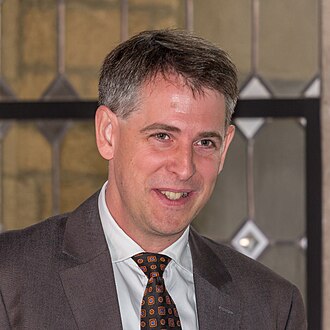
Stefan Pfister
Director, Hopp Children's Cancer Center Heidelberg (KiTZ); Head of Pediatric Neurooncology, DKFZ
Paediatric neuro-oncologyBrain tumour genomicsMolecular classification
Paediatric oncologist whose genomic work redefined childhood brain tumours into molecular subgroups.
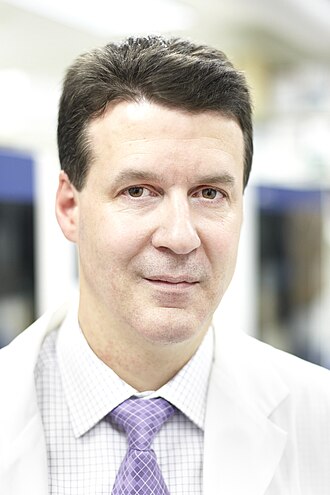
Stephen Scherer
Chief of Research
GenomicsCopy number variationAutism genetics
Genome scientist who heads research at SickKids and co-discovered genome-wide copy number variation in humans.
Sunil Lakhani
Chair of the Board
Breast pathologyBreast cancerMolecular pathology
Brisbane breast pathologist who chairs the board of Breast Cancer Trials, the Australia and New Zealand breast cancer clinical trials group.
Tariq Enver
Director, Cancer Research UK City of London Centre
Cancer biotherapeuticsStem cell and leukaemia biologyResearch centre leadership
Scientist who directs the Cancer Research UK City of London Centre, the multi-institution London hub for cancer biotherapeutics research.
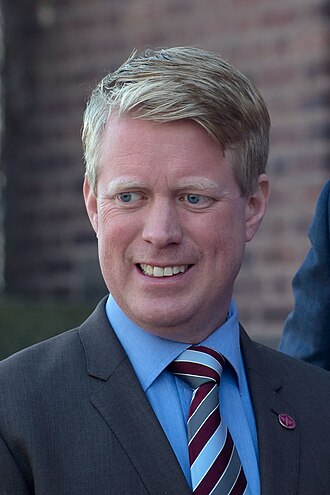
Thomas Helleday
Professor of Chemical Biology, Karolinska Institutet; Professor, University of Sheffield
DNA damage responseSynthetic lethalityPARP inhibitors
Co-discovered that PARP inhibitors kill BRCA-deficient cells, the synthetic lethality behind olaparib and its successors.
Thomas Powles
Professor of Genitourinary Oncology and Director, Barts Cancer Centre, Queen Mary University of London
Urothelial cancerRenal cell carcinomaAntibody-drug conjugates
Led EV-302, NIAGARA and IMvigor011, the trials that transformed bladder cancer from chemotherapy-only to ADC, immunotherapy and ctDNA-guided care.
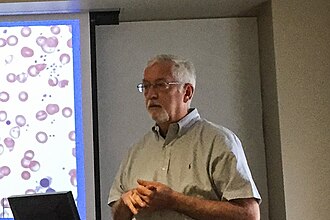
Timothy J. Ley
Lewis T. and Rosalind B. Apple Professor of Oncology
AML genomicsClonal evolutionDNMT3A
Timothy Ley led the first whole-genome sequencing of a cancer, an AML genome, in 2008.
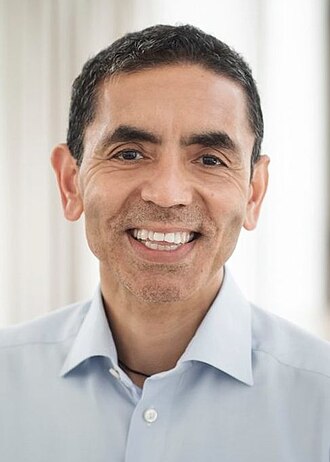
Uğur Şahin
Professor of Translational Oncology, University Medical Center Mainz; Co-founder and CEO, BioNTech
mRNA cancer vaccinesNeoantigen immunotherapyTranslational oncology
Immunologist who built individualised mRNA neoantigen vaccines for cancer, the platform later used for COVID-19.

Vinod P. Balachandran
Surgical Oncologist and Member, Immuno-Oncology Service, Memorial Sloan Kettering Cancer Center
Pancreatic cancerNeoantigen vaccinesTumour immunology
Surgeon-scientist whose personalised mRNA vaccine trial showed pancreatic cancer can provoke lasting T-cell immunity.
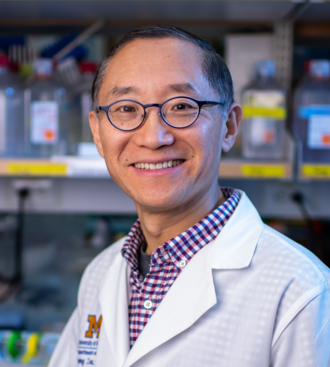
Weiping Zou
Charles B. de Nancrede Professor of Surgery, Immunology, Biology and Pathology; Director, Center of Excellence for Cancer Immunology and Immunotherapy
Tumour immunologyPD-L1 biologyFerroptosis and immunity
Immunologist who showed PD-L1 on tumours suppresses T cells and linked interferon to ferroptosis.
Yael P. Mossé
Professor of Pediatrics and Patricia Brophy Endowed Chair in Neuroblastoma Research, Children's Hospital of Philadelphia
NeuroblastomaALK-targeted therapyPaediatric drug development
Discovered ALK mutations in neuroblastoma and led the trials bringing crizotinib and lorlatinib to children.
Yelena Y. Janjigian
Chief, Gastrointestinal Oncology Service
Gastric and oesophageal cancerHER2-positive GI cancerImmunotherapy
Led CheckMate 649, which made immunotherapy plus chemotherapy the first-line standard for gastric cancer, and the pembrolizumab-trastuzumab combination in HER2-positive disease.
The 48 most recent of 84 papers; see them all →
observationalNature 2025175 citations
A vision-language foundation model for precision oncology
One technology page on OnCo cites this paper by its DOI; this record gives the citation a page of its own so a reader can follow it without leaving OnCo. Read the abstract above alongside the citing page listed under Related; the record was created automatically from the Europe PMC entry and its figures have not been checked by hand.
basicNature 2025150 citations
Geographic and age variations in mutational processes in colorectal cancer
If a childhood exposure to colibactin-producing Escherichia coli writes APC mutations into the colon decades before a tumour appears, then the rise in early-onset bowel cancer may be preventable by something done in childhood rather than by screening alone.
translationalNature 2025277 citations
RNA neoantigen vaccines prime long-lived CD8+ T cells in pancreatic cancer
The strongest human evidence that a cancer vaccine can make durable T cells in a tumour with few mutations; the randomised phase 2 IMCODE003 (260 patients, primary completion listed for January 2031) is the test of whether that translates into fewer relapses.
observationalNature 2024393 citations
A pathology foundation model for cancer diagnosis and prognosis prediction
One technology page on OnCo cites this paper by its DOI; this record gives the citation a page of its own so a reader can follow it without leaving OnCo. Read the abstract above alongside the citing page listed under Related; the record was created automatically from the Europe PMC entry and its figures have not been checked by hand.
observationalNature 2024578 citations
A whole-slide foundation model for digital pathology from real-world data
One technology page on OnCo cites this paper by its DOI; this record gives the citation a page of its own so a reader can follow it without leaving OnCo. Read the abstract above alongside the citing page listed under Related; the record was created automatically from the Europe PMC entry and its figures have not been checked by hand.
observationalNature 202412,534 citations
Accurate structure prediction of biomolecular interactions with AlphaFold 3
One technology page and one roadmap page on OnCo cite this paper by its DOI; this record gives the citation a page of its own so a reader can follow it without leaving OnCo. Read the abstract above alongside the citing pages listed under Related; the record was created automatically from the Europe PMC entry and its figures have not been checked by hand.
basicNature 2024changed practice341 citations
Concurrent inhibition of oncogenic and wild-type RAS-GTP for cancer therapy
The mechanism that let one drug address G12D, G12V and G12R together, which is why the RASolute 302 trial could enrol unselected pancreatic cancer and nearly double survival.
translationalNature 2023changed practice459 citations
AUGMENT-101: revumenib, the first menin inhibitor, in relapsed leukaemias driven by KMT2A rearrangement or NPM1 mutation
Revumenib proved that a transcriptional dependency, rather than a kinase, can be drugged in leukaemia, opening treatment for two genetic subgroups that together cover roughly a third of AML plus most infant ALL. It is now approved and is being combined with venetoclax-azacitidine and intensive chemotherapy in front-line trials. Single-agent remissions are often short without transplant.
40 more, oldest last
De novo design of protein structure and function with RFdiffusionLung adenocarcinoma promotion by air pollutantsRojas 2023: a personalised mRNA vaccine trained T cells against each patient's pancreatic cancer, and those who responded stayed cancer-free longerTRACERx 421: the full-cohort picture of how lung cancer evolves and which subclones drive relapseTransfer learning enables predictions in network biologyGD2-CAR T cell therapy for H3K27M-mutated diffuse midline gliomasAlphaFold 2: predicting protein structures to near-experimental accuracyAutophagy promotes immune evasion of pancreatic cancer by degrading MHC-IB cells are associated with survival and immunotherapy response in sarcomaSingle-cell mutation analysis of clonal evolution in myeloid malignanciesThe National Lung Matrix Trial of personalized therapy in lung cancerThe repertoire of mutational signatures in human cancerTobacco smoking and somatic mutations in human bronchial epitheliumA view on drug resistance in cancerEfficacy of MEK inhibition in patients with histiocytic neoplasmsElectrical and synaptic integration of glioma into neural circuitsGenomic characterization of metastatic breast cancersGlutamatergic synaptic input to glioma cells drives brain tumour progressionThe landscape of somatic mutation in normal colorectal epithelial cellsVISTA is an acidic pH-selective ligand for PSGL-1WRN helicase is a synthetic lethal target in microsatellite unstable cancersChromosomal instability drives metastasis through a cytosolic DNA responsePrecancerous neoplastic cells can move through the pancreatic ductal systemTGF-beta drives immune evasion in genetically reconstituted colon cancer metastasisTGFβ attenuates tumour response to PD-L1 blockade by contributing to exclusion of T cellsThe biology and management of non-small cell lung cancerDependency of a therapy-resistant state of cancer cells on a lipid peroxidase pathwayDrug-tolerant persister cancer cells are vulnerable to GPX4 inhibitionElements of cancer immunity and the cancer-immune set pointExtrachromosomal oncogene amplification drives tumour evolution and genetic heterogeneityIdentification of unique neoantigen qualities in long-term survivors of pancreatic cancerIntegrated genomic characterization of oesophageal carcinomaPhylogenetic ctDNA analysis depicts early-stage lung cancer evolutionWhole-genome landscapes of major melanoma subtypesA renewed model of pancreatic cancer evolution based on genomic rearrangement patternsCarcinoma-astrocyte gap junctions promote brain metastasis by cGAMP transferGenomic analyses identify molecular subtypes of pancreatic cancerMetastatic colonization by circulating tumour cellsComprehensive genomic profiles of small cell lung cancerMelanoma-intrinsic β-catenin signalling prevents anti-tumour immunity
Similar pages
- PathwayClonal evolution & minimal residual disease
Shares The clonal and mutational evolution spectrum of primary triple-negative breast cancers, Precancerous neoplastic cells can move through the pancreatic ductal system, Distant metastasis occurs late during the genetic evolution of pancreatic cancer, The landscape of somatic mutation in normal colorectal epithelial cells.
- TechnologyWhole-exome & whole-genome sequencing
Shares Precancerous neoplastic cells can move through the pancreatic ductal system, Distant metastasis occurs late during the genetic evolution of pancreatic cancer, Identification of unique neoantigen qualities in long-term survivors of pancreatic cancer, The landscape of somatic mutation in normal colorectal epithelial cells.
- PathwayChromosomal instability & aneuploidy
Shares Chromosomal instability drives metastasis through a cytosolic DNA response, Genetic instability in colorectal cancers, A renewed model of pancreatic cancer evolution based on genomic rearrangement patterns, TRACERx 421: the full-cohort picture of how lung cancer evolves and which subclones drive relapse.
collections
people
key papers
A cell initiating human acute myeloid leukaemia after transplantation into SCID miceA pathology foundation model for cancer diagnosis and prognosis predictionA renewed model of pancreatic cancer evolution based on genomic rearrangement patternsA view on drug resistance in cancerA vision-language foundation model for precision oncologyA whole-slide foundation model for digital pathology from real-world dataAccurate structure prediction of biomolecular interactions with AlphaFold 3AlphaFold 2: predicting protein structures to near-experimental accuracyAUGMENT-101: revumenib, the first menin inhibitor, in relapsed leukaemias driven by KMT2A rearrangement or NPM1 mutationAutophagy promotes immune evasion of pancreatic cancer by degrading MHC-IB cells are associated with survival and immunotherapy response in sarcomaCancer-susceptibility genes. Gatekeepers and caretakersCarcinoma-astrocyte gap junctions promote brain metastasis by cGAMP transferChromosomal instability drives metastasis through a cytosolic DNA responseClonal evolution in cancerComprehensive genomic characterization of squamous cell lung cancersComprehensive genomic profiles of small cell lung cancerComprehensive molecular characterisation of gastric adenocarcinoma (The Cancer Genome Atlas)Comprehensive molecular characterization of human colon and rectal cancerComprehensive molecular portraits of human breast tumoursComprehensive molecular profiling of lung adenocarcinomaConcurrent inhibition of oncogenic and wild-type RAS-GTP for cancer therapyDe novo design of protein structure and function with RFdiffusionDependency of a therapy-resistant state of cancer cells on a lipid peroxidase pathwayDistant metastasis occurs late during the genetic evolution of pancreatic cancerDistinct types of diffuse large B-cell lymphoma identified by gene expression profilingDrug development: Raise standards for preclinical cancer researchDrug-tolerant persister cancer cells are vulnerable to GPX4 inhibitionDynamics of chronic myeloid leukaemiaEfficacy of MEK inhibition in patients with histiocytic neoplasmsEfficient tumour formation by single human melanoma cellsElectrical and synaptic integration of glioma into neural circuitsElements of cancer immunity and the cancer-immune set pointEmergence of KRAS mutations and acquired resistance to anti-EGFR therapy in colorectal cancerEpigenomic alterations define lethal CIMP-positive ependymomas of infancyExtrachromosomal oncogene amplification drives tumour evolution and genetic heterogeneityGD2-CAR T cell therapy for H3K27M-mutated diffuse midline gliomasGene fusion with an ETS DNA-binding domain caused by chromosome translocation in human tumoursGenes that mediate breast cancer metastasis to lungGenetic instability in colorectal cancersGenomic analyses identify molecular subtypes of pancreatic cancerGenomic characterization of metastatic breast cancersGeographic and age variations in mutational processes in colorectal cancerGlutamatergic synaptic input to glioma cells drives brain tumour progressionHypomethylation distinguishes genes of some human cancers from their normal counterpartsIdentification of the transforming EML4-ALK fusion gene in non-small-cell lung cancerIdentification of unique neoantigen qualities in long-term survivors of pancreatic cancerIFNgamma and lymphocytes prevent primary tumour development and shape tumour immunogenicityand 36 more →