Loading
institutionsInstitution
Tata Memorial Centre
India's largest cancer centre, a leader in low-cost, high-impact trials such as low-dose immunotherapy and oral metronomic chemotherapy.
Overview
Tata Memorial Centre in Mumbai is India's largest cancer centre, seeing seventy thousand new patients a year, and a leader in low-cost, high-impact trials such as low-dose nivolumab with metronomic chemotherapy in head and neck cancer, visual cervical screening and affordable radiotherapy. Its trials in OnCo include elective versus therapeutic neck dissection in oral cancer, gefitinib with or without chemotherapy in EGFR-mutant lung cancer and the IARC India HPV vaccine dose study, and it anchors the National Cancer Grid of India and the CAR-T talicabtagene autoleucel from ImmunoACT. OnCo links it to bottlenecks on the absence of cancer care in most of the world and to ideas for a Global Fund for cancer care. Whether its low-cost regimens are adopted in richer countries is the open question. Its programmes are listed below.
Location
Mumbai, IN
Type
cancer center
Website
Newsweek 2026 oncology rank
#80
OnCo score
#10 · 134 points (0 Newsweek + 0 NCI + 134 from 67 linked objects) · ranking
Research output
From OpenAlex, oncology works in the last five years (2022 to 2026, current year in progress); counted on 2026-09-17.
Matched to Tata Memorial Hospital, including child institutions. 665 works · 4,926 citations · 63% open access · 8% clinical trials · 2% reviews.
Oncology works per year
1502022
1422023
1612024
1252025
872026
Most works
- Avanish Saklani102 works
- Mufaddal Kazi72 works
- Shailesh V. Shrikhande53 works
- Ashwin Desouza53 works
- Manish Bhandare49 works
- Vikram Chaudhari43 works
- Anant Ramaswamy39 works
- Kumar Prabhash33 works
- Manju Sengar32 works
- Lingaraj Nayak31 works
Most cited
- Low-cost immunotherapy trials
- Cervical screening
- Head and neck cancer
Akhil Kapoor
Medical oncologist, Homi Bhabha Cancer Hospital and MPMMCC, Varanasi (Tata Memorial Centre)
Head and neck cancerMetronomic chemotherapyPragmatic trials
First author of METRO PLUS, the Varanasi trial that doubled survival in advanced head and neck cancer by adding cheap oral metronomic drugs to standard chemotherapy.
Anil K. D'Cruz
Head and neck surgical oncologist; former Director, Tata Memorial Hospital; Director of Oncology, Apollo Hospitals
Head and neck surgeryOral cancerNeck dissection
Led the Tata Memorial trial that settled a decades-old question, showing that removing neck lymph nodes at the first operation for early oral cancer saves lives.
C. S. Pramesh
Director, Tata Memorial Hospital; thoracic surgical oncologist; convener, National Cancer Grid
Thoracic surgical oncologyOesophageal and lung cancer surgeryHealth systems and cancer policy
The surgeon who built the National Cancer Grid into a network of hundreds of Indian cancer centres and used its buying power to cut cancer drug prices by a median of 82%.
Gaurav Narula
Professor of Paediatric Oncology, Tata Memorial Hospital
Paediatric oncologyChildhood leukaemiaCAR-T cell therapy
A paediatric oncologist at Tata Memorial who led the leukaemia arm of India's first CAR-T trials and runs national childhood leukaemia protocols.
Hasmukh Jain
Professor of Medical Oncology (adult haematolymphoid), Tata Memorial Hospital
LymphomaAcute leukaemiaCAR-T cell therapy
First author of the phase 1/2 trial of India's first CAR-T therapy, which treated adults with relapsed lymphoma and leukaemia at six Indian centres.
Kumar Prabhash
Professor and Head, Department of Medical Oncology, Tata Memorial Hospital
Head and neck cancerLung cancerMetronomic chemotherapy
Leads medical oncology at Tata Memorial and its programme of pragmatic trials that make treatments affordable.
Pankaj Chaturvedi
Head and neck surgical oncologist; Director, Centre for Cancer Epidemiology, Tata Memorial Centre
Head and neck surgeryTobacco controlCancer prevention
A surgeon and public-health campaigner whose work links oral cancer to tobacco and drives prevention policy in India.
Rajendra Badwe
Former Director, Tata Memorial Centre; breast surgical oncologist
Breast surgerySurgical oncology trialsPerioperative interventions
A surgeon-scientist whose low-cost randomised trials, from peritumoral lidocaine to timing of surgery, challenged assumptions in breast cancer.
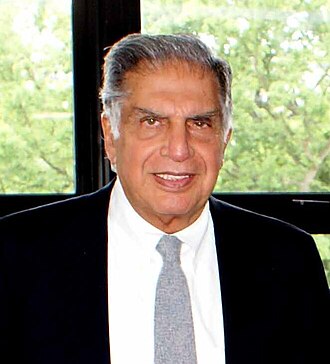
Ratan Tata
Chairman of Tata Trusts, whose cancer care programme is building a network of 20 hospitals across seven Indian states
Distributed cancer careCancer care in IndiaEarly detection
Under his chairmanship Tata Trusts launched a cancer care programme in 2017 to bring affordable treatment closer to home: 20 hospitals across seven states and, with the Assam government, a three-level network of 19 cancer facilities across the north-east.
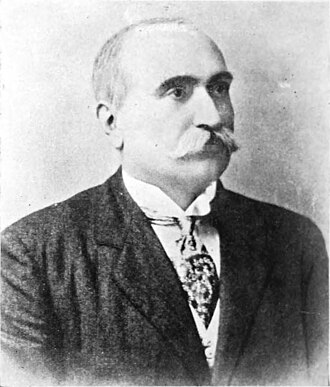
Sir Dorabji Tata
Industrialist whose trust, endowed with his entire fortune, built the Tata Memorial Hospital in 1941
Cancer hospital foundingIndian philanthropy
After his wife Meherbai's illness and death in 1931 he founded the Sir Dorabji Tata Trust in 1932 and left it everything he had; the Trust built Tata Memorial in 1941, called the first large contribution of India to the international fight against cancer.
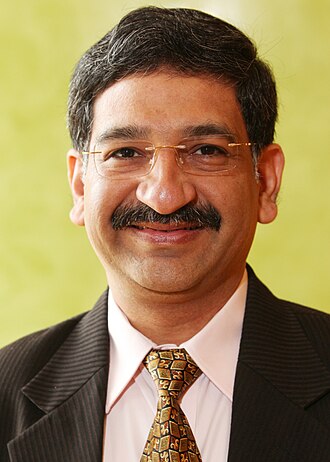
Sudeep Gupta
Director, Tata Memorial Centre; Professor of Medical Oncology
Breast cancerGynaecologic oncologyClinical trials
Sudeep Gupta leads India's largest cancer centre and its programme of pragmatic, affordable trials.
Surendra Shastri
Preventive oncologist; former Head, Preventive Oncology, Tata Memorial Hospital
Cervical cancer screeningVisual inspection with acetic acidBreast and oral cancer screening
Led the Mumbai trial showing that visual inspection with acetic acid by health workers cuts cervical cancer deaths.
Vanita Noronha
Professor of Medical Oncology, Tata Memorial Hospital; geriatric oncology and lung cancer
Lung cancerGeriatric oncologyHead and neck cancer
A medical oncologist who co-leads Tata Memorial's lung cancer trials and built India's geriatric oncology programme.
Vijay Patil
Professor of Medical Oncology, Tata Memorial Hospital; head and neck oncology
Head and neck cancerLow-dose immunotherapyMetronomic chemotherapy
Showed that very low-dose nivolumab added to cheap chemotherapy improves survival in head and neck cancer, a landmark for affordable immunotherapy.
meta analysisHPB 20260 citations
Timing of revision surgery for incidental gallbladder cancer: a systematic review and individual patient data meta-analysis
It softens the Ethun four-to-eight-week rule: timing within the range that services can deliver probably matters less than completing the operation at all and doing it with the liver bed and nodes cleared.
observationalJCO Global Oncology 20251 citation
Genomic profiling of Indian gallbladder carcinoma: mutational insights in a high-incidence population
HER2 is as frequent in India as in the West, so HER2 testing pays off in the highest-incidence population, while tumour-agnostic immunotherapy markers will rarely apply. The paper also shows plasma testing is feasible where tissue is scarce.
real worldCancer Epidemiology 20250 citations
Hospital-based gallbladder cancer registry from a high-volume referral cancer centre in India: Insights into epidemiology and roadmap for enhancing cancer care
The clearest statement of where the burden falls and why late presentation, not drug choice, decides most outcomes in high-incidence regions; it is also the home of the POLCAGB trial.
rctLancet Haematology 2025changed practice10 citations
Talicabtagene autoleucel for relapsed or refractory B-cell malignancies: an open-label, multicentre, phase 1/2 study
A lower-middle-income country can design, manufacture, trial and approve an autologous CAR-T therapy. Response rates are in the range of first-generation Western products in similar mixed populations, at a price an order of magnitude lower, which reopens the question of what CAR-T should cost everywhere.
real worldBulletin of the World Health Organization 2023changed practice17 citations
A National Cancer Grid pooled procurement initiative, India
Buying power, not new science, is the fastest lever on cancer drug prices in a decentralised, under-funded system. The Grid's model is being extended across its 360-plus centres and offers a template for other middle-income countries and for pooled buying of newer, patented drugs.
rctJournal of Clinical Oncology 2023changed practice149 citations
Low-dose immunotherapy in head and neck cancer: a randomised study (Tata Memorial)
For the majority of the world's head and neck cancer patients who cannot afford full-dose checkpoint inhibitors, a low dose added to oral metronomic chemotherapy is a tested alternative that improves survival. It also challenges the assumption that approved doses are the necessary doses: pharmacology had long suggested receptor saturation at far lower exposures.
methodsBMJ Open 201927 citations
A phase III randomised clinical trial of perioperative therapy (neoadjuvant chemotherapy versus chemoradiotherapy) in locally advanced gallbladder cancers (POLCAGB): study protocol
India carries a large share of the world's gallbladder cancer and this is the only randomised test of radiotherapy's role before surgery; the registry's actual enrolment of 124 against a plan of 314 means the answer will be less certain than designed.
rctNew England Journal of Medicine 2015changed practice871 citations
Elective versus therapeutic neck dissection in node-negative oral cancer
Elective neck dissection is now the standard for early oral cancer everywhere. The trial shows what high-volume Indian centres can contribute: a definitive answer to a surgical question that had been debated for half a century and that Western centres, with far fewer oral cancers, could not resolve.
Similar pages
- BottleneckNo incentive to repurpose cheap drugs
Shares Single-injection depot progesterone before surgery and survival in operable breast cancer, Confirm low-dose olanzapine for appetite and weight in advanced cancer worldwide, Validate low-cost metronomic oral regimens in phase 3 and carry them into guidelines, A platform trial of very-low-cost metronomic chemotherapy in LMIC common cancers.
- TechnologyHPV DNA testing and self-sampling
Shares Surendra Shastri, HPV screening for cervical cancer in rural India (Osmanabad), Mumbai VIA cervical screening trial (Tata Memorial), Osmanabad cervical screening trial (HPV testing vs cytology vs VIA).
- InstitutionInternational Agency for Research on Cancer (IARC / WHO)
Shares HPV screening for cervical cancer in rural India (Osmanabad), Pivotal trials include sites in Africa, South Asia and Latin America, sponsor-funded, Blended finance and a low-cost linac to close the global radiotherapy gap, A Global Fund for cancer care in low- and middle-income countries.
- PersonRahul Purwar
Shares Indian Institute of Technology Bombay, Talicabtagene autoleucel for relapsed or refractory B-cell malignancies: an open-label, multicentre, phase 1/2 study, Talicabtagene autoleucel (NexCAR19) phase 1/2, ImmunoACT.
- RoadmapChemotherapy roadmap: mustard gas → curative combinations → the warhead inside smarter drugs
Shares Validate low-cost metronomic oral regimens in phase 3 and carry them into guidelines, A platform trial of very-low-cost metronomic chemotherapy in LMIC common cancers, METRO PLUS (Tata Memorial Centre, Varanasi), Oral metronomic chemotherapy vs intravenous cisplatin (Tata Memorial).
- TechnologyColposcopy and excisional treatment (LEEP/LLETZ, cone)
Shares Surendra Shastri, Mumbai VIA cervical screening trial (Tata Memorial), Osmanabad cervical screening trial (HPV testing vs cytology vs VIA), Visual inspection with acetic acid (VIA) for cervical screening.
- BottleneckPrices and value
Shares A National Cancer Grid pooled procurement initiative, India, C. S. Pramesh, National Health Authority (Ayushman Bharat PM-JAY), Low-dose immunotherapy in head and neck cancer: a randomised study (Tata Memorial).
- TechnologyPoint-of-care and decentralised cell manufacturing
Shares Indian Institute of Technology Bombay, Talicabtagene autoleucel (NexCAR19) phase 1/2, ImmunoACT, Advanced Centre for Treatment, Research and Education in Cancer.
cancers
technologies
drugs
ApprovedCAR-T (CD19, humanised)
Talicabtagene autoleucel · NexCAR19
companies
institutions
Advanced Centre for Treatment, Research and Education in CancerCentral Drugs Standard Control OrganizationHomi Bhabha Cancer Hospital and Mahamana Pandit Madan Mohan Malaviya Cancer Centre, VaranasiIndian Institute of Technology BombayNational Cancer Grid of IndiaNational Centre for Biological SciencesNational Health Authority (Ayushman Bharat PM-JAY)Tata Medical Center, KolkataTata Trusts
trials
Add-AspirinElective vs therapeutic neck dissection in node-negative oral cancer (Tata Memorial)Gefitinib vs gefitinib plus pemetrexed-carboplatin in EGFR-mutant lung cancer (Tata Memorial)IARC India HPV vaccine dose study (one, two or three doses)Low-dose nivolumab plus metronomic chemotherapy (Tata Memorial)Low-dose olanzapine for cancer anorexia (Tata Memorial)METRO PLUS (Tata Memorial Centre, Varanasi)Mumbai VIA cervical screening trial (Tata Memorial)Oral metronomic chemotherapy vs intravenous cisplatin (Tata Memorial)Osmanabad cervical screening trial (HPV testing vs cytology vs VIA)Peritumoral lidocaine before breast cancer surgery (Tata Memorial)POLCAGBPOP-RTRUGBSingle-injection depot progesterone before breast surgery (Tata Memorial)Talicabtagene autoleucel (NexCAR19) phase 1/2
roadmaps
Gallbladder cancer roadmap: from a chance finding at gallstone surgery to a disease with its own trialsGlobal access and affordability roadmap: essential medicines and generics → biosimilars and frugal trials → reliance, pooling and homegrown innovationTrial modernisation roadmap: the randomised trial → platforms and adaptive designs → decentralised, pragmatic and always-on
ideas
A cheap old tablet to restore appetiteA Global Fund for cancer care in low- and middle-income countriesA platform trial of very-low-cost metronomic chemotherapy in LMIC common cancersA randomised trial of adjuvant chemoradiation after margin-positive or node-positive gallbladder cancer resectionBlended finance and a low-cost linac to close the global radiotherapy gapBurden-matched funding for trials led in low- and middle-income countriesCommunity health workers with smartphone AI screen for mouth cancer in South AsiaConfirm low-dose olanzapine for appetite and weight in advanced cancer worldwideConfirm ultra-low-dose immunotherapy so it can be afforded where most patients liveDouble oncology capacity in low-resource settings with task-shifting and AI decision supportNational hub-and-spoke cancer networks with defined referral tiersPaid survivor peer-navigators as a recognised health workforce rolePivotal trials include sites in Africa, South Asia and Latin America, sponsor-fundedPublic-sector CAR-T manufacturing in India, Brazil and South Africa under $50,000Regional training hubs that produce oncologists, physicists and radiographers in-regionRisk-targeted ultrasound screening in high-incidence regions, tested against usual careTest one-tenth-dose immunotherapy where the full dose is unaffordableValidate low-cost metronomic oral regimens in phase 3 and carry them into guidelines
people
bottlenecks
key papers
A National Cancer Grid pooled procurement initiative, IndiaA phase III randomised clinical trial of perioperative therapy (neoadjuvant chemotherapy versus chemoradiotherapy) in locally advanced gallbladder cancers (POLCAGB): study protocolElective versus therapeutic neck dissection in node-negative oral cancerGenomic profiling of Indian gallbladder carcinoma: mutational insights in a high-incidence populationHospital-based gallbladder cancer registry from a high-volume referral cancer centre in India: Insights into epidemiology and roadmap for enhancing cancer careHPV screening for cervical cancer in rural India (Osmanabad)Low-dose immunotherapy in head and neck cancer: a randomised study (Tata Memorial)Single-injection depot progesterone before surgery and survival in operable breast cancerTalicabtagene autoleucel for relapsed or refractory B-cell malignancies: an open-label, multicentre, phase 1/2 studyTiming of revision surgery for incidental gallbladder cancer: a systematic review and individual patient data meta-analysis