Loading
institutionsInstitution
National Cancer Grid of India
A network of more than 360 Indian cancer centres, run from Tata Memorial, that agrees common treatment guidelines, buys cancer drugs together at a fraction of list price and runs shared tumour boards and trials.
Also called: NCGNCG India
Overview
The National Cancer Grid was set up by the Tata Memorial Centre with support from the Department of Atomic Energy to give every Indian patient the same standard of care wherever they are treated. Its secretariat sits at Tata Memorial Hospital, Mumbai, and its membership has grown to a network of more than 360 cancer centres, research institutes, patient groups and charities across India.
The Grid publishes resource-stratified NCG guidelines, runs virtual tumour boards, an e-learning portal and quality programmes (EQAS and EQUIP), trains oncologists in research methods through the CReDO workshops (more than 250 trained since 2015) and issued India's Choosing Wisely list of low-value practices. Its pooled procurement pilot pooled demand for 40 anticancer drugs from 23 centres worth about 15.6 billion rupees at maximum retail price and cut the bill by about 13.2 billion rupees, with savings of 23% to 99% per drug (median 82%). A national electronic medical record initiative for cancer centres followed in 2025. The NCG is the practical backbone of Indian cancer care and the reason low-cost trial results from Mumbai spread quickly across the country.
Location
Mumbai, IN
Type
consortium
Website
Newsweek 2026 oncology rank
Not in top 300 listing used
OnCo score
#211 · 28 points (0 Newsweek + 0 NCI + 28 from 14 linked objects) · ranking
- NCG treatment guidelines
- Pooled drug procurement
- Virtual tumour boards
- CReDO research methods workshops
- Choosing Wisely India
- Cancer EMR initiative
C. S. Pramesh
Director, Tata Memorial Hospital; thoracic surgical oncologist; convener, National Cancer Grid
Thoracic surgical oncologyOesophageal and lung cancer surgeryHealth systems and cancer policy
The surgeon who built the National Cancer Grid into a network of hundreds of Indian cancer centres and used its buying power to cut cancer drug prices by a median of 82%.
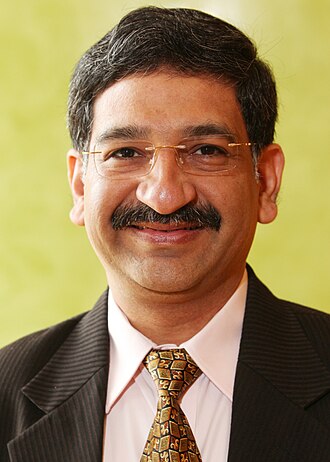
Sudeep Gupta
Director, Tata Memorial Centre; Professor of Medical Oncology
Breast cancerGynaecologic oncologyClinical trials
Sudeep Gupta leads India's largest cancer centre and its programme of pragmatic, affordable trials.
Rajendra Badwe
Former Director, Tata Memorial Centre; breast surgical oncologist
Breast surgerySurgical oncology trialsPerioperative interventions
A surgeon-scientist whose low-cost randomised trials, from peritumoral lidocaine to timing of surgery, challenged assumptions in breast cancer.
observationalBulletin of the World Health Organization 20251 citation
National Cancer Grid initiative for electronic medical records, India
One institution page on OnCo cites this paper by its DOI; this record gives the citation a page of its own so a reader can follow it without leaving OnCo. Read the abstract above alongside the citing page listed under Related; the record was created automatically from the Europe PMC entry and its figures have not been checked by hand.
real worldBulletin of the World Health Organization 2023changed practice17 citations
A National Cancer Grid pooled procurement initiative, India
Buying power, not new science, is the fastest lever on cancer drug prices in a decentralised, under-funded system. The Grid's model is being extended across its 360-plus centres and offers a template for other middle-income countries and for pooled buying of newer, patented drugs.
reviewThe Lancet Oncology 202136 citations
The International Collaboration for Research methods Development in Oncology (CReDO) workshops: shaping the future of global oncology research
One institution page on OnCo cites this paper by its DOI; this record gives the citation a page of its own so a reader can follow it without leaving OnCo. Read the abstract above alongside the citing page listed under Related; the record was created automatically from the Europe PMC entry and its figures have not been checked by hand.
observationalIndian journal of medical and paediatric oncology 201467 citations
The national cancer grid of India
One institution page on OnCo cites this paper by its DOI; this record gives the citation a page of its own so a reader can follow it without leaving OnCo. Read the abstract above alongside the citing page listed under Related; the record was created automatically from the Europe PMC entry and its figures have not been checked by hand.
Similar pages
- InstitutionTata Trusts
Shares Tata Medical Center, Kolkata, Tata Memorial Centre, Global access and affordability roadmap: essential medicines and generics → biosimilars and frugal trials → reliance, pooling and homegrown innovation, Fragmented care and guideline gaps.
- IdeaBurden-matched funding for trials led in low- and middle-income countries
Shares Rajendra Badwe, Sudeep Gupta, Tata Memorial Centre, Global access and affordability roadmap: essential medicines and generics → biosimilars and frugal trials → reliance, pooling and homegrown innovation.
- InstitutionNational Cancer Registry Programme (ICMR-NINE, Bengaluru)
Shares Kidwai Memorial Institute of Oncology, Cancer Institute (WIA), Adyar, Cancer registries and population surveillance, Data silos.
- PersonRatan Tata
Shares Tata Medical Center, Kolkata, Tata Memorial Centre, Fragmented care and guideline gaps, Most of the world has almost no cancer care.
- IdeaPivotal trials include sites in Africa, South Asia and Latin America, sponsor-funded
Shares Sudeep Gupta, Tata Memorial Centre, Global access and affordability roadmap: essential medicines and generics → biosimilars and frugal trials → reliance, pooling and homegrown innovation, Most of the world has almost no cancer care.
- PersonV. Shanta
Shares Cancer Institute (WIA), Adyar, Cancer registries and population surveillance, Global oncology and access in low- and middle-income countries.
- CompanyImmunoACT
Shares Advanced Centre for Treatment, Research and Education in Cancer, Tata Memorial Centre, Global access and affordability roadmap: essential medicines and generics → biosimilars and frugal trials → reliance, pooling and homegrown innovation, Prices and value.
- TrialMETRO PLUS (Tata Memorial Centre, Varanasi)
Shares Homi Bhabha Cancer Hospital and Mahamana Pandit Madan Mohan Malaviya Cancer Centre, Varanasi, Tata Memorial Centre, Global access and affordability roadmap: essential medicines and generics → biosimilars and frugal trials → reliance, pooling and homegrown innovation, Most of the world has almost no cancer care.
fronts
technologies
institutions
Advanced Centre for Treatment, Research and Education in CancerAll India Institute of Medical Sciences, New DelhiCancer Institute (WIA), AdyarHomi Bhabha Cancer Hospital and Mahamana Pandit Madan Mohan Malaviya Cancer Centre, VaranasiKidwai Memorial Institute of OncologyNational Health Authority (Ayushman Bharat PM-JAY)Tata Medical Center, KolkataTata Memorial CentreThe new AIIMS network (PMSSY)
roadmaps
people
bottlenecks
key papers
A National Cancer Grid pooled procurement initiative, IndiaNational Cancer Grid initiative for electronic medical records, IndiaThe International Collaboration for Research methods Development in Oncology (CReDO) workshops: shaping the future of global oncology researchThe national cancer grid of India