Loading
institutionsInstitution

American Association for Cancer Research (AACR)
The AACR is the oldest and largest cancer research society; its April meeting is where early-stage science and first-in-human data appear.
Overview
The American Association for Cancer Research, based in Philadelphia, is the oldest and largest cancer research society, and its Annual Meeting each April is where early-stage science and first-in-human data appear. It runs Project GENIE, the shared clinico-genomic registry that OnCo carries as a collection, publishes Cancer Research, Cancer Discovery, Clinical Cancer Research and Cancer Immunology Research, and issues a quarterly digest of FDA approvals, with Margaret Foti, Antoni Ribas and Philip D. Greenberg among the people linked. OnCo connects it to bottlenecks on data silos, irreproducible preclinical results and secrecy, and to ideas such as plenary slots for negative trials and universal sequencing at diagnosis. Whether a society can enforce data sharing its members resist is the fair question. Stand Up To Cancer and the Mark Foundation are linked partners.
Location
Philadelphia, US
Type
consortium
Website
Newsweek 2026 oncology rank
Not in top 300 listing used
OnCo score
#118 · 36 points (0 Newsweek + 0 NCI + 36 from 18 linked objects) · ranking
- Annual Meeting
- Project GENIE
Antoni Ribas
Professor of Medicine; Director, Tumor Immunology Program, UCLA Jonsson Comprehensive Cancer Center
MelanomaImmunotherapyResistance to checkpoint blockade
Melanoma immunotherapy leader behind pembrolizumab's first trials and the science of why immunotherapy fails.
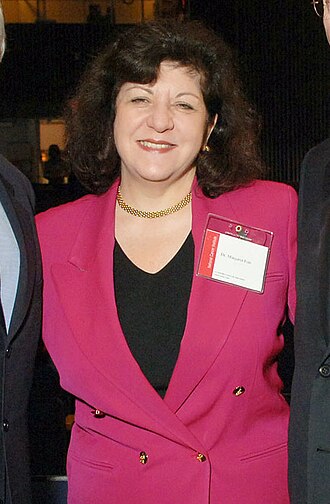
Margaret Foti
Chief Executive Officer, American Association for Cancer Research
Cancer research advocacyScientific publishingPolicy
Has led AACR for more than four decades, growing it into the world's largest cancer research society.
Michael A. Caligiuri
President, City of Hope National Medical Center; Deana and Steve Campbell Physician-in-Chief; AACR Treasurer
Natural killer cellsLeukaemiaImmunotherapy
Michael Caligiuri is an NK cell immunologist and past AACR president who leads City of Hope's hospital.
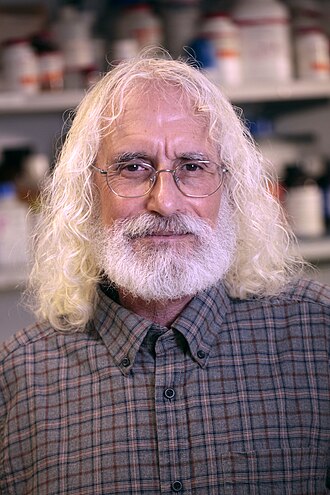
Philip D. Greenberg
Head, Program in Immunology, Fred Hutchinson Cancer Center
T-cell immunotherapyTCR-TLeukaemia
Immunologist who spent four decades engineering T cells to attack leukaemia and solid tumours.
Similar pages
- PersonSherry Lansing
Shares Stand Up To Cancer, Secrecy and intellectual property block collaboration, Funding follows fashion, not burden.
- IdeaEnforce individual participant data sharing as a condition of publication and funding
Shares Secrecy and intellectual property block collaboration, Preclinical results do not reproduce, Data silos.
- CollectionAACR Annual Meeting
Shares Cancer Research, Cancer Discovery.
- InstitutionDamon Runyon Cancer Research Foundation
Shares The Mark Foundation for Cancer Research, Funding follows fashion, not burden.
- PersonRobert A. Winn
Shares Cancer Discovery, Clinical Cancer Research.
- InstitutionCancer Grand Challenges
Shares The Mark Foundation for Cancer Research, Funding follows fashion, not burden.
- IdeaLink every national cancer registry to tumour genomics
Shares AACR Project GENIE, Data silos.
- IdeaEmulate the trial in real-world data first to decide which trials to run
Shares AACR Project GENIE, Funding follows fashion, not burden.