Loading
journalsJournal
Cell
Cell is the leading molecular and cell biology journal. It published the Hallmarks of Cancer and much of the mechanistic biology behind today's cancer drugs.
Also called: Cell (Cell Press)
Overview
Cell appears every two weeks. Hanahan and Weinberg's Hallmarks of Cancer (2000, 2011) appeared here, as did many TCGA Pan-Cancer Atlas papers, single-cell tumour microenvironment atlases, CRISPR screening resources and the mechanistic work on oncogene signalling. Elsevier hybrid model; STAR Methods and data-availability requirements are strict.
Publisher
Cell Press (Elsevier)
Scope
basic cancer biology
Website
Access model
hybrid
Founded
1974
ISSN
0092-8674
Impact factor (2023)
45.5 · Clarivate Journal Citation Reports 2024 (2023 JIF)
review2023735 citations
Metastasis
One pathway page on OnCo cites this paper by its DOI; this record gives the citation a page of its own so a reader can follow it without leaving OnCo. Read the abstract above alongside the citing page listed under Related; the record was created automatically from the Europe PMC entry and its figures have not been checked by hand.
review20222,457 citations
Ferroptosis turns 10: Emerging mechanisms, physiological functions, and therapeutic applications
One pathway page on OnCo cites this paper by its DOI; this record gives the citation a page of its own so a reader can follow it without leaving OnCo. Read the abstract above alongside the citing page listed under Related; the record was created automatically from the Europe PMC entry and its figures have not been checked by hand.
review2021292 citations
Bioelectric signaling: Reprogrammable circuits underlying embryogenesis, regeneration, and cancer
One term page on OnCo cites this paper by its DOI; this record gives the citation a page of its own so a reader can follow it without leaving OnCo. Read the abstract above alongside the citing page listed under Related; the record was created automatically from the Europe PMC entry and its figures have not been checked by hand.
translational2021366 citations
Spatially confined sub-tumor microenvironments in pancreatic cancer
It explains why one biopsy can mislead and why chemotherapy selects for the protective neighbourhood, an argument for spatial rather than bulk profiling.
observational2020453 citations
Key Parameters of Tumor Epitope Immunogenicity Revealed Through a Consortium Approach Improve Neoantigen Prediction
One idea page on OnCo cites this paper by its DOI; this record gives the citation a page of its own so a reader can follow it without leaving OnCo. Read the abstract above alongside the citing page listed under Related; the record was created automatically from the Europe PMC entry and its figures have not been checked by hand.
review2020298 citations
Persistent Cancer Cells: The Deadly Survivors
One pathway page on OnCo cites this paper by its DOI; this record gives the citation a page of its own so a reader can follow it without leaving OnCo. Read the abstract above alongside the citing page listed under Related; the record was created automatically from the Europe PMC entry and its figures have not been checked by hand.
observational2020324 citations
Roadmap for the Emerging Field of Cancer Neuroscience
One pathway page on OnCo cites this paper by its DOI; this record gives the citation a page of its own so a reader can follow it without leaving OnCo. Read the abstract above alongside the citing page listed under Related; the record was created automatically from the Europe PMC entry and its figures have not been checked by hand.
basic2018572 citations
Genomic hallmarks and structural variation in metastatic prostate cancer
It shows that the commonest driver event in advanced prostate cancer is invisible to the panels used to test for it, and that the shape of the structural damage in a genome tells you which repair pathway failed, which is information a mutation list does not carry.
basic20182,098 citations
TCGA Pan-Cancer Atlas: 10,000 tumours across 33 cancer types, classified by molecular features
Cancers are defined as much by the tissue they come from as by the mutations they carry, which is why the same drug can work in one organ and fail in another with the same mutation. TCGA is the shared public dataset behind most modern biomarkers and target discovery.
review2018633 citations
The Multifaceted Role of Chromosomal Instability in Cancer and Its Microenvironment
One term page on OnCo cites this paper by its DOI; this record gives the citation a page of its own so a reader can follow it without leaving OnCo. Read the abstract above alongside the citing page listed under Related; the record was created automatically from the Europe PMC entry and its figures have not been checked by hand.
review20172,230 citations
Clonal Heterogeneity and Tumor Evolution: Past, Present, and the Future
One bottleneck page on OnCo cites this paper by its DOI; this record gives the citation a page of its own so a reader can follow it without leaving OnCo. Read the abstract above alongside the citing page listed under Related; the record was created automatically from the Europe PMC entry and its figures have not been checked by hand.
basic2017553 citations
Combination Cancer Therapy Can Confer Benefit via Patient-to-Patient Variability without Drug Additivity or Synergy
One bottleneck page and 18 idea pages on OnCo cite this paper by its DOI; this record gives the citation a page of its own so a reader can follow it without leaving OnCo. Read the abstract above alongside the citing pages listed under Related; the record was created automatically from the Europe PMC entry and its figures have not been checked by hand.
basic20173,124 citations
Defining a Cancer Dependency Map: which genes each cancer cell line cannot live without
DepMap is the lookup table drug hunters use to ask: which cancers would die if we blocked this gene, and how would we recognise them? It generated targets such as WRN and PRMT5-MTAP now in clinical trials, and it is public.
basic20171,145 citations
Lactate Metabolism in Human Lung Tumors
One idea page on OnCo cites this paper by its DOI; this record gives the citation a page of its own so a reader can follow it without leaving OnCo. Read the abstract above alongside the citing page listed under Related; the record was created automatically from the Europe PMC entry and its figures have not been checked by hand.
review20171,667 citations
Putting p53 in Context
One pathway page on OnCo cites this paper by its DOI; this record gives the citation a page of its own so a reader can follow it without leaving OnCo. Read the abstract above alongside the citing page listed under Related; the record was created automatically from the Europe PMC entry and its figures have not been checked by hand.
review20171,079 citations
Transcriptional Addiction in Cancer
One pathway page on OnCo cites this paper by its DOI; this record gives the citation a page of its own so a reader can follow it without leaving OnCo. Read the abstract above alongside the citing page listed under Related; the record was created automatically from the Europe PMC entry and its figures have not been checked by hand.
observational20171,984 citations
Tumor and Microenvironment Evolution during Immunotherapy with Nivolumab
One of the most cited papers Europe PMC returns for Shailender Bhatia at Fred Hutchinson Cancer Center, so it is a natural starting point for reading their work. The record was linked automatically from the author list and affiliation; read the abstract above and the paper itself before relying on any figure.
observational20171,241 citations
Universal Patterns of Selection in Cancer and Somatic Tissues
One term page on OnCo cites this paper by its DOI; this record gives the citation a page of its own so a reader can follow it without leaving OnCo. Read the abstract above alongside the citing page listed under Related; the record was created automatically from the Europe PMC entry and its figures have not been checked by hand.
observational2016730 citations
New Brain Tumor Entities Emerge from Molecular Classification of CNS-PNETs
One of the most cited papers Europe PMC returns for Jacques Grill at Gustave Roussy, so it is a natural starting point for reading their work. The record was linked automatically from the author list and affiliation; read the abstract above and the paper itself before relying on any figure.
observational20152,715 citations
Metabolic Competition in the Tumor Microenvironment Is a Driver of Cancer Progression
One pathway page on OnCo cites this paper by its DOI; this record gives the citation a page of its own so a reader can follow it without leaving OnCo. Read the abstract above alongside the citing page listed under Related; the record was created automatically from the Europe PMC entry and its figures have not been checked by hand.
basic2015changed practice2,755 citations
SU2C-PCF: integrative clinical genomics of advanced prostate cancer
The genomic definition of advanced prostate cancer, and the evidence that made molecular testing standard in it. The 19.3 percent DNA repair figure is the direct ancestor of PROfound, TRITON3, PROpel and TALAPRO-2, and the 8 percent germline figure is why a tumour result in this disease has implications for a man's relatives.
basic20152,648 citations
TCGA: the molecular taxonomy of primary prostate cancer
The reference classification of prostate cancer as it presents, and the source of the two numbers that drive most molecular treatment decisions in the disease: a quarter with a PI3K or MAPK lesion, which is the rationale for capivasertib in PTEN-deficient disease, and a fifth with DNA repair inactivation, which is the rationale for PARP inhibitors.
observational20141,935 citations
Circulating tumor cell clusters are oligoclonal precursors of breast cancer metastasis
One pathway page on OnCo cites this paper by its DOI; this record gives the citation a page of its own so a reader can follow it without leaving OnCo. Read the abstract above alongside the citing page listed under Related; the record was created automatically from the Europe PMC entry and its figures have not been checked by hand.
basic20131,067 citations
Punctuated evolution of prostate cancer genomes
A different picture of how a cancer genome is built, and one that explains why prostate cancer has few point mutations and a great deal of structural damage. It is also why whole-genome rather than exome sequencing is the right assay for this disease.
review20111,551 citations
Cancer invasion and the microenvironment: plasticity and reciprocity
One pathway page on OnCo cites this paper by its DOI; this record gives the citation a page of its own so a reader can follow it without leaving OnCo. Read the abstract above alongside the citing page listed under Related; the record was created automatically from the Europe PMC entry and its figures have not been checked by hand.
observational20111,944 citations
Massive genomic rearrangement acquired in a single catastrophic event during cancer development
One term page on OnCo cites this paper by its DOI; this record gives the citation a page of its own so a reader can follow it without leaving OnCo. Read the abstract above alongside the citing page listed under Related; the record was created automatically from the Europe PMC entry and its figures have not been checked by hand.
basic20102,312 citations
A chromatin-mediated reversible drug-tolerant state in cancer cell subpopulations
One pathway page on OnCo cites this paper by its DOI; this record gives the citation a page of its own so a reader can follow it without leaving OnCo. Read the abstract above alongside the citing page listed under Related; the record was created automatically from the Europe PMC entry and its figures have not been checked by hand.
review20108,529 citations
Grivennikov, Greten and Karin 2010: immunity, inflammation and cancer
This paper is the molecular sequel to the 2002 inflammation and cancer review and the basis for IL-6, JAK-STAT and NF-kB directed strategies in cancer as well as for aspirin and other anti-inflammatory prevention trials.
review20103,725 citations
Lemmon and Schlessinger 2010: cell signalling by receptor tyrosine kinases
Almost every targeted therapy on this site, from trastuzumab and EGFR inhibitors to ALK, MET, RET and FGFR drugs, acts on the receptors this review describes. It is the mechanistic background for understanding both why these drugs work and why resistance mutations arise.
observational20093,311 citations
Matrix crosslinking forces tumor progression by enhancing integrin signaling
One term page on OnCo cites this paper by its DOI; this record gives the citation a page of its own so a reader can follow it without leaving OnCo. Read the abstract above alongside the citing page listed under Related; the record was created automatically from the Europe PMC entry and its figures have not been checked by hand.
basic20086,903 citations
Mani 2008: the epithelial-mesenchymal transition generates cells with properties of stem cells
This paper is why metastasis, stemness and therapy resistance are now studied as one problem. It suggests that the cells most able to spread are also the ones most able to regrow, and it motivates therapies that target the mesenchymal or stem-like state.
review200019,444 citations
The Hallmarks of Cancer: six capabilities every tumour must acquire
The hallmarks are the mental map most oncologists and researchers use to think about what cancer is and where drugs act. A newcomer can understand nearly every therapy as an attack on one hallmark: kinase inhibitors on proliferative signalling, checkpoint blockade on immune evasion, anti-VEGF drugs on angiogenesis.
review19975,370 citations
Levine 1997: p53, the cellular gatekeeper for growth and division
This review fixed the picture of p53 as the guardian of the genome that every textbook uses. It explains why TP53-mutant cancers are aggressive and hard to treat, why MDM2 inhibitors are being developed to reactivate wild-type p53, and why germline TP53 testing matters in families.
basic19936,260 citations
El-Deiry 1993: WAF1, the gene through which p53 stops cell division
This paper closed the loop between DNA damage, p53 and the cell cycle machinery. p21 is now a standard marker of p53 activity, part of how chemotherapy and radiotherapy stop cells dividing, and a component of the senescence response that CDK4/6 inhibitors exploit.
review19908,077 citations
A genetic model for colorectal tumorigenesis
One term page on OnCo cites this paper by its DOI; this record gives the citation a page of its own so a reader can follow it without leaving OnCo. Read the abstract above alongside the citing page listed under Related; the record was created automatically from the Europe PMC entry and its figures have not been checked by hand.
basic19881,441 citations
Most human carcinomas of the exocrine pancreas contain mutant c-K-ras genes
The reason pancreatic cancer is the proving ground for RAS drugs: nearly every tumour depends on the same mutant protein, so a drug that works against it works for nearly every patient.
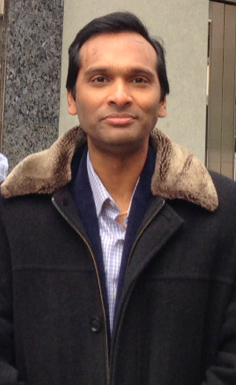
Arul M. Chinnaiyan
Director, Michigan Center for Translational Pathology; S.P. Hicks Professor of Pathology; HHMI Investigator
Prostate cancer genomicsGene fusionsPrecision oncology sequencing
Discovered the TMPRSS2-ERG fusion in prostate cancer and built one of the first clinical sequencing programmes.
Benjamin Kile
Executive Director
Blood cell biologyMolecular biologyResearch leadership
Blood cell molecular biologist who has led Sydney's Garvan Institute of Medical Research since 2023, sharpening its focus on genomics, immunology and cancer.
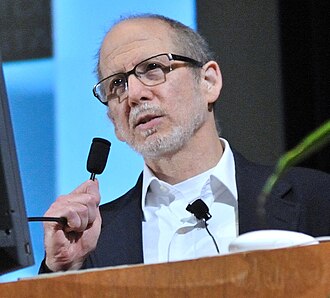
Bert Vogelstein
Clayton Professor of Oncology; Co-Director, Ludwig Center; HHMI Investigator
Cancer geneticsColorectal tumorigenesisLiquid biopsy
Bert Vogelstein is the most-cited scientist in cancer genetics: he mapped how colorectal cancer develops and founded the field of cancer genome sequencing and blood-based detection.
Catherine J. Wu
Chief, Division of Stem Cell Transplantation and Cellular Therapies, Dana-Farber Cancer Institute; Professor, Harvard Medical School
Neoantigen vaccinesCancer genomicsCLL evolution
Led the first personalised neoantigen peptide vaccine trial in melanoma and mapped how CLL evolves under treatment.
Charles M. Perou
Professor of Genetics and Pathology, UNC Lineberger Comprehensive Cancer Center
Breast cancer genomicsIntrinsic subtypesPAM50
Defined the molecular subtypes of breast cancer (luminal, HER2-enriched, basal-like) that clinicians now use every day.
David A. Tuveson
Director, CSHL Cancer Center; Roy J. Zuckerberg Professor
Pancreatic cancerOrganoidsTumour stroma
Built the pancreatic cancer organoid models now used to test drugs against a patient's own tumour.
Douglas A. Levine
Director of Gynecologic Oncology, NYU Langone Perlmutter Cancer Center
Gynaecologic oncology surgeryEndometrial cancer genomicsOvarian cancer genomics
Surgeon-scientist who led the TCGA endometrial cancer study that created today's four molecular subtypes.
Eric R. Fearon
Director, Rogel Cancer Center; Emanuel N. Maisel Professor of Oncology
Colorectal cancer geneticsWnt/APC signallingTumour suppressor genes
Co-author of the Fearon-Vogelstein model of how colorectal cancer develops step by step.
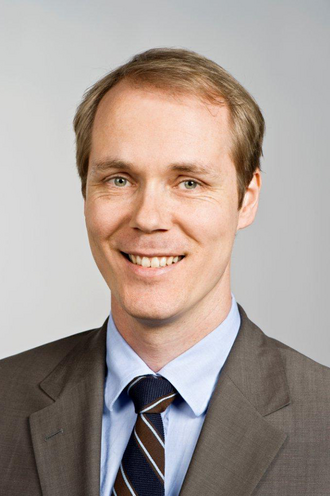
Florian R. Greten
Director, Georg-Speyer-Haus (Institute for Tumor Biology and Experimental Therapy)
Tumour biologyInflammation and cancerColorectal cancer
Tumour biologist known for linking inflammation to cancer, directing the Georg-Speyer-Haus within UCT Frankfurt.
Francisca Vazquez
Director, Cancer Dependency Map (DepMap)
Functional genomicsCRISPR screensCancer dependencies
Francisca Vazquez leads DepMap, the public map of which genes each cancer cell line cannot live without.
Gad Getz
Director, Cancer Genome Computational Analysis; Institute Member
Cancer genome analysisMutational signaturesTumour heterogeneity
Wrote the algorithms (MuTect, MutSig, ABSOLUTE) that most cancer genome studies use to find mutations.
Giulio Draetta
Chief Scientific Officer, MD Anderson Cancer Center
Cancer biologyDrug discoveryTranslational research
MD Anderson's chief scientist, a cell-cycle biologist who ran drug discovery in industry before leading the centre's research.
Irving L. Weissman
Virginia and D.K. Ludwig Professor; Founding Director, Stanford Institute for Stem Cell Biology and Regenerative Medicine
Stem cell biologyCancer stem cellsInnate immune checkpoints
Isolated the first blood stem cells and discovered the 'don't eat me' signal CD47 on cancer cells.
Jacques Grill
Paediatric neuro-oncologist, Gustave Roussy
Paediatric high-grade gliomaDiffuse midline gliomaPaediatric brain tumour trials
Paris paediatric neuro-oncologist who led HERBY, the trial that showed adding bevacizumab does not help children with high-grade glioma, and who leads European trials in diffuse midline glioma.
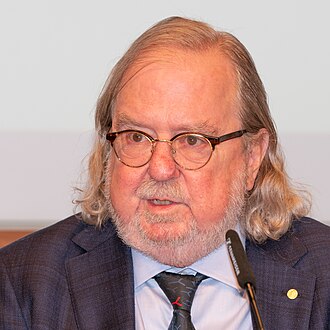
James P. Allison
Chair, Department of Immunology; Director, James P. Allison Institute, MD Anderson
Tumour immunologyImmune checkpoint blockadeT-cell biology
Discovered that blocking CTLA-4 unleashes T cells against cancer, the work behind ipilimumab and the 2018 Nobel Prize.
James R. Downing
President and Chief Executive Officer
Paediatric leukemia genomicsHematopathologyCancer genomics
Hematopathologist and cancer genomics pioneer who has led St. Jude Children's Research Hospital since 2014.
Jia Fan
President, Zhongshan Hospital, Fudan University; Liver Cancer Institute
Liver surgeryLiver transplantationHepatocellular carcinoma
Jia Fan leads one of the world's busiest liver cancer surgery and transplant programmes and the proteogenomic studies that mapped how hepatitis B-related liver cancer differs at the molecular level.
Joaquim Bellmunt
Director, Bladder Cancer Center, Dana-Farber Cancer Institute; Associate Professor, Harvard Medical School
Urothelial cancerImmunotherapyChemotherapy
Led KEYNOTE-045, the first trial to show immunotherapy beats chemotherapy in advanced bladder cancer.
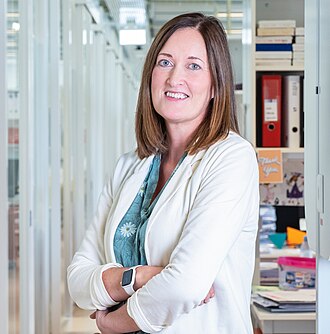
Johanna Joyce
President of the European Association for Cancer Research (2026-2028)
Tumour immunologyTumour microenvironmentBrain tumours
Tumour immunologist at Ludwig Lausanne who began a two-year term as President of the European Association for Cancer Research in June 2026.
Karen E. Knudsen
Chief Executive Officer and Board Member, Parker Institute for Cancer Immunotherapy
Prostate cancer biologyCancer centre leadershipResearch strategy and partnerships
The cancer biologist and former American Cancer Society chief executive who now runs the Parker Institute for Cancer Immunotherapy.
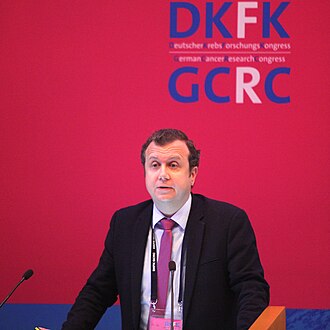
Lars Zender
Deputy Speaker; Medical Director, Internal Medicine VIII (Medical Oncology and Pulmonology)
Medical oncologyLiver cancer biologySenescence and tumour surveillance
Medical oncologist and cancer biologist at Tübingen, known for work on senescence surveillance and functional genomics in liver cancer.
Li Ding
David English Smith Distinguished Professor of Medicine; Director of Computational Biology, Division of Oncology
Cancer genomicsProteogenomicsClonal evolution
Li Ding is the computational leader of TCGA and CPTAC analyses linking genomes to proteins across cancers.
Michael F. Berger
Associate Director, Marie-Josée and Henry R. Kravis Center for Molecular Oncology, Memorial Sloan Kettering Cancer Center
Clinical cancer genomicsTumour sequencing assaysComputational biology
Built MSK-IMPACT, the tumour sequencing test used on more than 100,000 patients and the first FDA-authorised hospital panel.
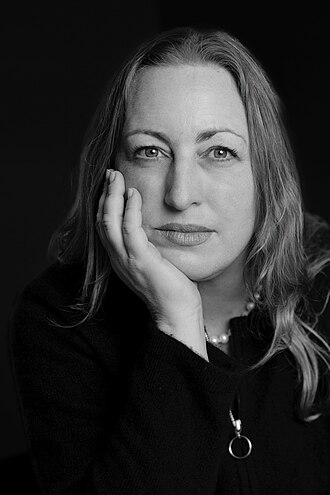
Michelle Monje
Professor of Neurology and Neurological Sciences, Stanford University; HHMI Investigator
Paediatric high-grade gliomaCancer neuroscienceGD2 CAR T cells
Founded cancer neuroscience and led the GD2 CAR-T trial that produced the first regressions of diffuse midline glioma.
Miriam Merad
Director, Marc and Jennifer Lipschultz Precision Immunology Institute; Chair, Department of Immunology and Immunotherapy
Myeloid cellsTumour-associated macrophagesSingle-cell immunology
Mapped how macrophages and dendritic cells in tumours suppress immunity, opening new immunotherapy targets.
Owen N. Witte
University Professor; Founding Director Emeritus, Broad Stem Cell Research Center, UCLA
Prostate cancer biologyKinase signallingImmunotherapy targets
Discovered the BCR-ABL kinase activity that imatinib blocks and now hunts for new prostate cancer targets.
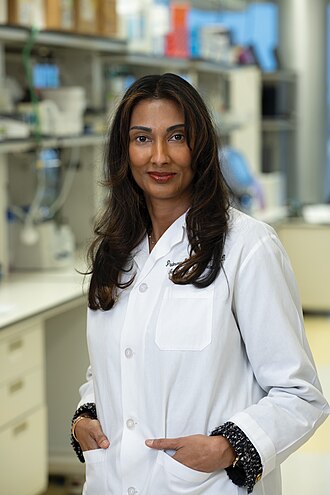
Padmanee Sharma
Professor of Genitourinary Medical Oncology and Immunology; Scientific Director, Immunotherapy Platform, MD Anderson
ImmunotherapyGenitourinary oncologyTranslational immunology
Runs the platform that studies patients' tumours before and after immunotherapy to learn why checkpoint drugs work or fail.
Pamela S. Ohashi
Director, Tumour Immunotherapy Program; Co-Director, Campbell Family Institute for Breast Cancer Research
T-cell toleranceTIL therapyTumour immunology
Immunologist who built Canada's TIL therapy programme and defined T-cell tolerance mechanisms.
Ramaswamy Govindan
Anheuser-Busch Chair in Medical Oncology; Director, Section of Medical Oncology
Lung cancerGenomics of smokers' lung cancerImmunotherapy
Showed how smoking-related lung cancers carry ten times the mutations of never-smokers' tumours.
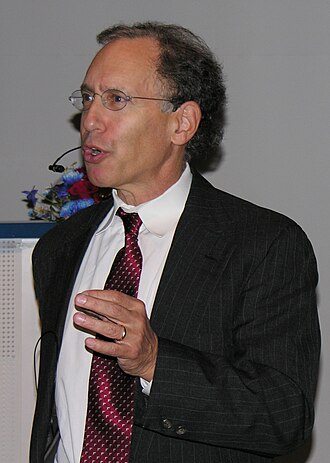
Robert S. Langer
David H. Koch (1962) Institute Professor
Drug deliveryBiomaterialsNanomedicine
Biomedical engineer whose Koch Institute lab pioneered controlled drug delivery and nanomedicine, including approaches to cancer therapy.
Samra Turajlić
Director
Renal cell carcinomaMelanomaCancer evolution
Medical oncologist and cancer-evolution researcher who leads the TRACERx Renal study and now directs the Cancer Research UK Manchester Institute.
Shailender Bhatia
Medical oncologist, Fred Hutchinson Cancer Center and University of Washington
Merkel cell carcinomaMelanomaImmunotherapy
Seattle oncologist who led STAMP, the trial that showed pembrolizumab after surgery reduces recurrence of Merkel cell carcinoma, a rare and aggressive skin cancer.
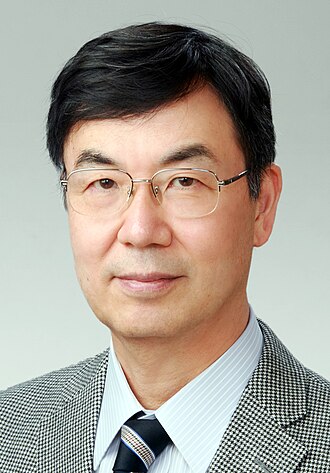
Shimon Sakaguchi
Distinguished Professor, Immunology Frontier Research Center, Osaka University
Regulatory T cellsImmune toleranceAutoimmunity
Discovered regulatory T cells, the immune cells that suppress anti-tumour responses and are now a target for cancer therapy.
Silvana Konermann
Executive Director and Core Investigator, Arc Institute
Functional genomicsCRISPR technologiesNeurodegeneration
Neuroscientist and co-founder who runs the Arc Institute, an independent research institute in the San Francisco Bay Area built to tackle complex diseases.
Tariq Enver
Director, Cancer Research UK City of London Centre
Cancer biotherapeuticsStem cell and leukaemia biologyResearch centre leadership
Scientist who directs the Cancer Research UK City of London Centre, the multi-institution London hub for cancer biotherapeutics research.
Wouter de Laat
Chair, Strategic Program Cancer
Genome organisationChromatin biologyCancer genomics
Genome biologist who chairs UMC Utrecht's Strategic Program Cancer, the umbrella for more than 800 cancer researchers in Utrecht.
Yardena Samuels
Professor, Department of Molecular Cell Biology, Weizmann Institute of Science
Melanoma genomicsNeoantigens and immunopeptidomicsCancer gene discovery
She found that PIK3CA is one of the most frequently mutated genes in human cancer, then spent the next twenty years working out which of a melanoma's mutations the immune system can actually see.
reviewCell 2023735 citations
Metastasis
One pathway page on OnCo cites this paper by its DOI; this record gives the citation a page of its own so a reader can follow it without leaving OnCo. Read the abstract above alongside the citing page listed under Related; the record was created automatically from the Europe PMC entry and its figures have not been checked by hand.
reviewCell 20222,457 citations
Ferroptosis turns 10: Emerging mechanisms, physiological functions, and therapeutic applications
One pathway page on OnCo cites this paper by its DOI; this record gives the citation a page of its own so a reader can follow it without leaving OnCo. Read the abstract above alongside the citing page listed under Related; the record was created automatically from the Europe PMC entry and its figures have not been checked by hand.
reviewCell 2021292 citations
Bioelectric signaling: Reprogrammable circuits underlying embryogenesis, regeneration, and cancer
One term page on OnCo cites this paper by its DOI; this record gives the citation a page of its own so a reader can follow it without leaving OnCo. Read the abstract above alongside the citing page listed under Related; the record was created automatically from the Europe PMC entry and its figures have not been checked by hand.
translationalCell 2021366 citations
Spatially confined sub-tumor microenvironments in pancreatic cancer
It explains why one biopsy can mislead and why chemotherapy selects for the protective neighbourhood, an argument for spatial rather than bulk profiling.
observationalCell 2020453 citations
Key Parameters of Tumor Epitope Immunogenicity Revealed Through a Consortium Approach Improve Neoantigen Prediction
One idea page on OnCo cites this paper by its DOI; this record gives the citation a page of its own so a reader can follow it without leaving OnCo. Read the abstract above alongside the citing page listed under Related; the record was created automatically from the Europe PMC entry and its figures have not been checked by hand.
reviewCell 2020298 citations
Persistent Cancer Cells: The Deadly Survivors
One pathway page on OnCo cites this paper by its DOI; this record gives the citation a page of its own so a reader can follow it without leaving OnCo. Read the abstract above alongside the citing page listed under Related; the record was created automatically from the Europe PMC entry and its figures have not been checked by hand.
observationalCell 2020324 citations
Roadmap for the Emerging Field of Cancer Neuroscience
One pathway page on OnCo cites this paper by its DOI; this record gives the citation a page of its own so a reader can follow it without leaving OnCo. Read the abstract above alongside the citing page listed under Related; the record was created automatically from the Europe PMC entry and its figures have not been checked by hand.
basicCell 2018572 citations
Genomic hallmarks and structural variation in metastatic prostate cancer
It shows that the commonest driver event in advanced prostate cancer is invisible to the panels used to test for it, and that the shape of the structural damage in a genome tells you which repair pathway failed, which is information a mutation list does not carry.
25 more, oldest last
TCGA Pan-Cancer Atlas: 10,000 tumours across 33 cancer types, classified by molecular featuresThe Multifaceted Role of Chromosomal Instability in Cancer and Its MicroenvironmentClonal Heterogeneity and Tumor Evolution: Past, Present, and the FutureCombination Cancer Therapy Can Confer Benefit via Patient-to-Patient Variability without Drug Additivity or SynergyDefining a Cancer Dependency Map: which genes each cancer cell line cannot live withoutLactate Metabolism in Human Lung TumorsPutting p53 in ContextTranscriptional Addiction in CancerTumor and Microenvironment Evolution during Immunotherapy with NivolumabUniversal Patterns of Selection in Cancer and Somatic TissuesGenomic correlates of immune-cell infiltrates in colorectal carcinomaIntegrative analyses of colorectal cancer show Immunoscore is a stronger predictor of patient survival than microsatellite instabilityNew Brain Tumor Entities Emerge from Molecular Classification of CNS-PNETsMetabolic Competition in the Tumor Microenvironment Is a Driver of Cancer ProgressionSU2C-PCF: integrative clinical genomics of advanced prostate cancerTCGA: the molecular taxonomy of primary prostate cancerCirculating tumor cell clusters are oligoclonal precursors of breast cancer metastasisPunctuated evolution of prostate cancer genomesCancer invasion and the microenvironment: plasticity and reciprocityMassive genomic rearrangement acquired in a single catastrophic event during cancer developmentA chromatin-mediated reversible drug-tolerant state in cancer cell subpopulationsMatrix crosslinking forces tumor progression by enhancing integrin signalingThe Hallmarks of Cancer: six capabilities every tumour must acquireA genetic model for colorectal tumorigenesisMost human carcinomas of the exocrine pancreas contain mutant c-K-ras genes
Similar pages
- TermAneuploidy and chromosomal instability as the cause of cancer
Shares Massive genomic rearrangement acquired in a single catastrophic event during cancer development, The Multifaceted Role of Chromosomal Instability in Cancer and Its Microenvironment.
- PathwayDrug-tolerant persister cells
Shares A chromatin-mediated reversible drug-tolerant state in cancer cell subpopulations, Persistent Cancer Cells: The Deadly Survivors.
people
key papers
A chromatin-mediated reversible drug-tolerant state in cancer cell subpopulationsA genetic model for colorectal tumorigenesisBioelectric signaling: Reprogrammable circuits underlying embryogenesis, regeneration, and cancerCancer invasion and the microenvironment: plasticity and reciprocityCirculating tumor cell clusters are oligoclonal precursors of breast cancer metastasisClonal Heterogeneity and Tumor Evolution: Past, Present, and the FutureCombination Cancer Therapy Can Confer Benefit via Patient-to-Patient Variability without Drug Additivity or SynergyDefining a Cancer Dependency Map: which genes each cancer cell line cannot live withoutFerroptosis turns 10: Emerging mechanisms, physiological functions, and therapeutic applicationsGenomic correlates of immune-cell infiltrates in colorectal carcinomaGenomic hallmarks and structural variation in metastatic prostate cancerIntegrative analyses of colorectal cancer show Immunoscore is a stronger predictor of patient survival than microsatellite instabilityKey Parameters of Tumor Epitope Immunogenicity Revealed Through a Consortium Approach Improve Neoantigen PredictionLactate Metabolism in Human Lung TumorsMassive genomic rearrangement acquired in a single catastrophic event during cancer developmentMatrix crosslinking forces tumor progression by enhancing integrin signalingMetabolic Competition in the Tumor Microenvironment Is a Driver of Cancer ProgressionMetastasisMost human carcinomas of the exocrine pancreas contain mutant c-K-ras genesNew Brain Tumor Entities Emerge from Molecular Classification of CNS-PNETsPersistent Cancer Cells: The Deadly SurvivorsPunctuated evolution of prostate cancer genomesPutting p53 in ContextRoadmap for the Emerging Field of Cancer NeuroscienceSpatially confined sub-tumor microenvironments in pancreatic cancerSU2C-PCF: integrative clinical genomics of advanced prostate cancerTCGA Pan-Cancer Atlas: 10,000 tumours across 33 cancer types, classified by molecular featuresTCGA: the molecular taxonomy of primary prostate cancerThe Hallmarks of Cancer: six capabilities every tumour must acquireThe Multifaceted Role of Chromosomal Instability in Cancer and Its MicroenvironmentTranscriptional Addiction in CancerTumor and Microenvironment Evolution during Immunotherapy with NivolumabUniversal Patterns of Selection in Cancer and Somatic Tissues