Loading
journalsJournal
Cancer Cell
Cancer Cell is Cell Press's dedicated cancer journal, publishing mechanism-rich papers on tumour biology, the microenvironment, resistance and biomarkers, plus the CPTAC proteogenomic atlases.
Also called: Cancer Cellsrc-cancer-cell
Overview
Cancer Cell is Cell Press's dedicated cancer journal, founded in 2002, appearing monthly and published by Cell Press (Elsevier) on a hybrid model. It publishes mechanism-rich papers on tumour biology, the microenvironment, drug resistance and biomarkers, including multi-omic studies such as the CPTAC proteogenomic atlases and TCGA subtype papers and translational biomarker work that often accompanies clinical trials. Its readers are cancer biologists and translational researchers. Within OnCo it is related to the CPTAC consortium and the Cancer Cell source feed and is linked from the biographies of Rui-Hua Xu, Ross Levine, Aaron Schimmer, Frank McCormick, Lajos Pusztai and Michael Taylor, and it is where a reader would look for the mechanistic paper behind a resistance story.
Publisher
Cell Press (Elsevier)
Scope
basic cancer biology
Access model
hybrid
Founded
2002
ISSN
1535-6108
Impact factor (2023)
48.8 · Clarivate Journal Citation Reports 2024 (2023 JIF)
rct20258 citations
Neoadjuvant treatment of IBI310 plus sintilimab in locally advanced MSI-H/dMMR colon cancer: A randomized phase 1b study
This is the paper Europe PMC returns for registry id NCT05890742 with the most citations, so it is the natural first reading for anyone following the dMMR Resectable Colon Cancer trial. Read the abstract above alongside the trial page and the registry entry; the record was linked automatically and its figures have not been checked by hand.
review20233,120 citations
The evolving tumor microenvironment: From cancer initiation to metastatic outgrowth
One pathway page on OnCo cites this paper by its DOI; this record gives the citation a page of its own so a reader can follow it without leaving OnCo. Read the abstract above alongside the citing page listed under Related; the record was created automatically from the Europe PMC entry and its figures have not been checked by hand.
rct2022436 citations
Toripalimab plus chemotherapy in treatment-naïve, advanced esophageal squamous cell carcinoma (JUPITER-06): A multi-center phase 3 trial
One trial page on OnCo cites this paper by its DOI; this record gives the citation a page of its own so a reader can follow it without leaving OnCo. Read the abstract above alongside the citing page listed under Related; the record was created automatically from the Europe PMC entry and its figures have not been checked by hand.
translational2021849 citations
Patterns of transcription factor programs and immune pathway activation define four major subtypes of SCLC with distinct therapeutic vulnerabilities
It offers the first credible explanation for why only a minority of small-cell patients get a durable benefit from checkpoint blockade, and it introduces subtype switching, which would mean retesting at relapse rather than typing once.
methods2020
A probabilistic classification tool for genetic subtypes of diffuse large B cell lymphoma with therapeutic implications
The piece that turns a research classification into something a trial can use on one person's biopsy, with a probability attached rather than a flat label. It is the reason genetics-directed lymphoma trials became possible at all.
review2020534 citations
Challenges and opportunities for pancreatic cancer immunotherapy
The clearest statement of why the corpus records so many negative immunotherapy trials here, and of the design logic behind the vaccine and agonist combinations now in trials.
translational2019861 citations
Genomic and transcriptomic landscape of triple-negative breast cancers: subtypes and treatment strategies
The FUSCC cohort is the East Asian reference and the basis of the FUTURE subtype-guided umbrella trial; its LAR findings point to CDK4/6 and HER2-mutant strategies rather than PARP inhibitors for that subtype.
observational2019818 citations
Human Tumor-Associated Macrophage and Monocyte Transcriptional Landscapes Reveal Cancer-Specific Reprogramming, Biomarkers, and Therapeutic Targets
One of the most cited papers Europe PMC returns for E. Shelley Hwang at Duke Cancer Institute, so it is a natural starting point for reading their work. The record was linked automatically from the author list and affiliation; read the abstract above and the paper itself before relying on any figure.
observational2018757 citations
Clinical sequencing defines the genomic landscape of metastatic colorectal cancer
It turned sidedness from an epidemiological curiosity into a mechanistic statement, and it is the reason a wild-type mitogenic report on a left-sided tumour is read as ligand dependence rather than as an absence.
observational2018827 citations
Comprehensive Analysis of Alternative Splicing Across Tumors from 8,705 Patients
One idea page on OnCo cites this paper by its DOI; this record gives the citation a page of its own so a reader can follow it without leaving OnCo. Read the abstract above alongside the citing page listed under Related; the record was created automatically from the Europe PMC entry and its figures have not been checked by hand.
basic2018287 citations
Loss of KDM6A activates super-enhancers to induce gender-specific squamous-like pancreatic cancer and confers sensitivity to BET inhibitors
It gives the 3 to 4% of KDM6A-mutant, squamous-programme tumours a mechanism and a candidate drug class.
basic2017694 citations
Androgen receptor pathway-independent prostate cancer is sustained through FGF signalling
It shows that leaving androgen receptor dependence does not have to mean becoming neuroendocrine, and it names a treatable pathway for a group of men whose tumours would otherwise be described only by what they lack.
translational20171,757 citations
Integrated genomic characterization of pancreatic ductal adenocarcinoma
It is the reference multi-platform dataset and the reason a KRAS wild-type report is treated as a search for another driver rather than as an absence.
translational2017changed practice974 citations
Integrated molecular meta-analysis of 1,000 paediatric high-grade and diffuse intrinsic pontine gliomas
The 2021 WHO paediatric-type diffuse high-grade glioma categories, and the practice of profiling every childhood glioma for a targetable fusion or mutation, rest on this landscape.
translational2017changed practice1,014 citations
Intertumoural heterogeneity within medulloblastoma subgroups
Subtype-level classification, particularly separating infant and TP53-mutant SHH tumours and MYC-amplified group 3 tumours, guides current risk stratification and trial design.
observational2015926 citations
Molecular Classification of Ependymal Tumors across All CNS Compartments, Histopathological Grades, and Age Groups
One cancer page on OnCo cites this paper by its DOI; this record gives the citation a page of its own so a reader can follow it without leaving OnCo. Read the abstract above alongside the citing page listed under Related; the record was created automatically from the Europe PMC entry and its figures have not been checked by hand.
review20141,300 citations
Antiangiogenesis strategies revisited: from starving tumors to alleviating hypoxia
One term page on OnCo cites this paper by its DOI; this record gives the citation a page of its own so a reader can follow it without leaving OnCo. Read the abstract above alongside the citing page listed under Related; the record was created automatically from the Europe PMC entry and its figures have not been checked by hand.
basic2014changed practice2,153 citations
Depletion of carcinoma-associated fibroblasts and fibrosis induces immunosuppression and accelerates pancreas cancer with reduced survival
Together with the negative HALO-301 trial of hyaluronidase this ended the first, blunt version of stromal targeting; second-generation ideas aim to reprogramme rather than remove the stroma.
observational2014857 citations
Macrophage IL-10 blocks CD8+ T cell-dependent responses to chemotherapy by suppressing IL-12 expression in intratumoral dendritic cells
One of the most cited papers Europe PMC returns for E. Shelley Hwang at Duke Cancer Institute, so it is a natural starting point for reading their work. The record was linked automatically from the author list and affiliation; read the abstract above and the paper itself before relying on any figure.
basic20141,755 citations
Stromal elements act to restrain, rather than support, pancreatic ductal adenocarcinoma
Published alongside Ozdemir, it explains why the hedgehog inhibitor trials in patients failed and why stromal targets are now chosen for their signalling rather than their bulk.
translational2014changed practice672 citations
The somatic genomic landscape of chromophobe renal cell carcinoma (The Cancer Genome Atlas)
Chromophobe renal cell carcinoma is a biologically distinct disease that should not be lumped with clear cell cancer in trials or treatment, which is why its page separates the two.
review20123,572 citations
Accessories to the crime: functions of cells recruited to the tumor microenvironment
One term page on OnCo cites this paper by its DOI; this record gives the citation a page of its own so a reader can follow it without leaving OnCo. Read the abstract above alongside the citing page listed under Related; the record was created automatically from the Europe PMC entry and its figures have not been checked by hand.
basic20111,016 citations
Reciprocal feedback regulation of PI3K and androgen receptor signalling in PTEN-deficient prostate cancer
It is the reason every prostate PI3K or AKT trial gives the drug with abiraterone rather than alone, and the reason PTEN loss is used to select for those combinations rather than as a general prognostic marker.
basic20103,154 citations
Integrative genomic profiling of human prostate cancer
The origin of the idea that a prostate tumour's copy-number pattern carries prognostic information the pathologist's grade does not. That idea became Decipher and the other genomic classifiers, which are now used in some systems to decide whether a man needs radiotherapy after surgery.
basic2007572 citations
Aneuploidy acts both oncogenically and as a tumor suppressor
One term page on OnCo cites this paper by its DOI; this record gives the citation a page of its own so a reader can follow it without leaving OnCo. Read the abstract above alongside the citing page listed under Related; the record was created automatically from the Europe PMC entry and its figures have not been checked by hand.
observational20053,013 citations
Tensional homeostasis and the malignant phenotype
One term page on OnCo cites this paper by its DOI; this record gives the citation a page of its own so a reader can follow it without leaving OnCo. Read the abstract above alongside the citing page listed under Related; the record was created automatically from the Europe PMC entry and its figures have not been checked by hand.
Aaron D. Schimmer
Research Director, Princess Margaret Cancer Centre; Senior Scientist
AMLMitochondrial metabolismDrug repurposing
Leukaemia researcher who found that AML stem cells depend on mitochondrial proteases and metabolism.
Dario C. Altieri
President and Chief Executive Officer, The Wistar Institute; Director, Ellen and Ronald Caplan Cancer Center
Cancer biologyMitochondrial signallingSurvivin and cell death
Cancer biologist who has been President and CEO of The Wistar Institute in Philadelphia since 2015 and directs its NCI-designated Ellen and Ronald Caplan Cancer Center.
E. Shelley Hwang
Breast surgical oncologist, Duke Cancer Institute
Ductal carcinoma in situActive monitoringSurgical de-escalation
Duke surgeon who led COMET, the trial testing whether women with low-risk DCIS can safely be monitored instead of having surgery straight away.
Frank McCormick
Professor, UCSF Helen Diller Family Comprehensive Cancer Center; former Scientific Lead, NCI RAS Initiative
RAS biologySignal transductionDrug discovery
RAS biologist who founded Onyx Pharmaceuticals and led the NCI's national effort to drug RAS.
H.M.W. Verheul
Representative of Erasmus MC Cancer Institute to the Organisation of European Cancer Institutes
Cancer centre representation (OECI)
H.M.W. Verheul represents Erasmus MC Cancer Institute in the Organisation of European Cancer Institutes, which lists the centre among its members in The Netherlands.
Jacques Grill
Paediatric neuro-oncologist, Gustave Roussy
Paediatric high-grade gliomaDiffuse midline gliomaPaediatric brain tumour trials
Paris paediatric neuro-oncologist who led HERBY, the trial that showed adding bevacizumab does not help children with high-grade glioma, and who leads European trials in diffuse midline glioma.
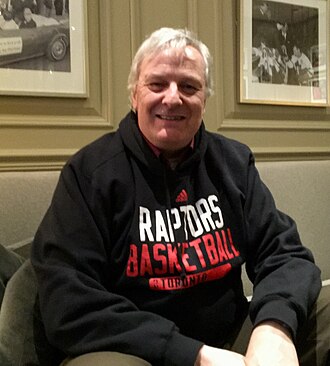
Jim Woodgett
President and Scientific Director, Terry Fox Research Institute
Cell signallingCancer biologyResearch funding leadership
Cell signalling scientist who has been President and Scientific Director of the Terry Fox Research Institute, the research arm of The Terry Fox Foundation, since 2021.
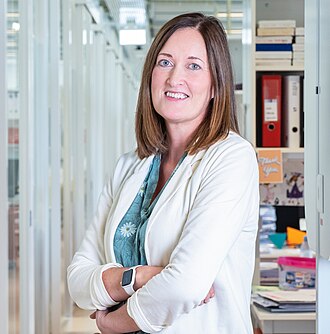
Johanna Joyce
President of the European Association for Cancer Research (2026-2028)
Tumour immunologyTumour microenvironmentBrain tumours
Tumour immunologist at Ludwig Lausanne who began a two-year term as President of the European Association for Cancer Research in June 2026.
Julian Adams
President and CEO
Drug discoveryProteasome inhibitorsMultiple myeloma
Medicinal chemist who led the discovery of the proteasome inhibitor bortezomib and now heads Stand Up To Cancer as President and CEO.
Lajos Pusztai
Professor of Medicine and Co-Leader, Genetics, Genomics and Epigenetics Program, Yale Cancer Center
Triple-negative breast cancerAdaptive platform trialsImmune biomarkers
Translational breast oncologist who co-leads the I-SPY2 platform trial and helped show immunotherapy works in early TNBC.
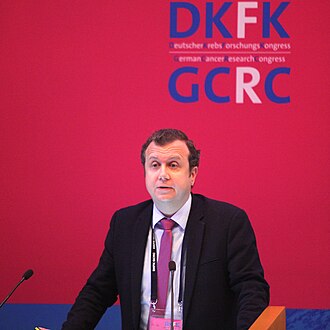
Lars Zender
Deputy Speaker; Medical Director, Internal Medicine VIII (Medical Oncology and Pulmonology)
Medical oncologyLiver cancer biologySenescence and tumour surveillance
Medical oncologist and cancer biologist at Tübingen, known for work on senescence surveillance and functional genomics in liver cancer.
Louis Chesler
Executive Director, Children's Cancer Institute
Paediatric oncologyNeuroblastomaPaediatric drug development
Paediatric oncologist and neuroblastoma researcher who leads Children's Cancer Institute in Sydney, Australia's dedicated childhood cancer research institute.
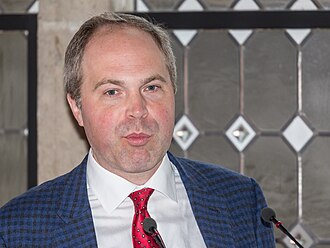
Michael D. Taylor
Professor of Pediatrics and Neurosurgery, Baylor College of Medicine and Texas Children's Hospital
MedulloblastomaPaediatric neurosurgeryBrain tumour genomics
Neurosurgeon-scientist who defined the four molecular subgroups of medulloblastoma that now guide therapy.
Owen Sansom
Scientific Director, CRUK Scotland Centre
Colorectal cancer biologyPancreatic cancerWnt signalling
Glasgow cancer biologist who directs the CRUK Scotland Institute and is Scientific Director of the CRUK Scotland Centre, known for mouse models of colorectal and pancreatic cancer.
Ross L. Levine
Chair, Center for Hematologic Malignancies; Member, Human Oncology and Pathogenesis Program
Myeloid malignanciesClonal haematopoiesisJAK2 and epigenetic regulators
Discovered the JAK2 mutation behind most myeloproliferative neoplasms and defined the genetics of clonal haematopoiesis.
Rui-Hua Xu
President, Sun Yat-sen University Cancer Center; Professor of Medical Oncology
Gastrointestinal oncologyColorectal cancerOesophageal and gastric cancer
Leads China's largest cancer centre and has run the Chinese phase 3 trials that brought PD-1 antibodies into GI cancer.
Sergio Roman-Roman
Director of Translational Research, Institut Curie
Translational researchUveal melanomaPreclinical models
Directs the translational research department that developed models and targets for uveal melanoma.
Shaomeng Wang
Warner-Lambert/Parke-Davis Professor in Medicine; Director, Rogel Cancer Center Drug Discovery
Medicinal chemistryProtein degradersMDM2 and BET inhibitors
Shaomeng Wang is the medicinal chemist behind some of the first clinical MDM2 inhibitors and PROTAC degraders.
Tim Somervaille
Senior Group Leader
Acute myeloid leukaemiaLeukaemia biologyHaematology
Haematologist and Senior Group Leader at CRUK Manchester Institute studying the transcriptional drivers of acute myeloid leukaemia.
Wouter de Laat
Chair, Strategic Program Cancer
Genome organisationChromatin biologyCancer genomics
Genome biologist who chairs UMC Utrecht's Strategic Program Cancer, the umbrella for more than 800 cancer researchers in Utrecht.
Yi-Zhou Jiang
Professor of Breast Surgery, Fudan University Shanghai Cancer Center
Triple-negative breast cancerMulti-omicsMetabolomics
Co-architect of the Fudan TNBC subtypes and the metabolic and immune atlases that guide subtype-specific treatment.
Zhi-Ming Shao
Professor of Breast Surgery; Director, Department of Breast Surgery, Fudan University Shanghai Cancer Center
Breast cancer surgeryTriple-negative breast cancer subtypingPrecision oncology
Leads the world's highest-volume breast cancer surgical unit and the FUTURE trial that treats triple-negative breast cancer by molecular subtype.
Notes
top- Holds: Mechanistic cancer biology, multi-omic atlases and translational studies. Access: Paywalled.
rctCancer Cell 20258 citations
Neoadjuvant treatment of IBI310 plus sintilimab in locally advanced MSI-H/dMMR colon cancer: A randomized phase 1b study
This is the paper Europe PMC returns for registry id NCT05890742 with the most citations, so it is the natural first reading for anyone following the dMMR Resectable Colon Cancer trial. Read the abstract above alongside the trial page and the registry entry; the record was linked automatically and its figures have not been checked by hand.
reviewCancer Cell 20233,120 citations
The evolving tumor microenvironment: From cancer initiation to metastatic outgrowth
One pathway page on OnCo cites this paper by its DOI; this record gives the citation a page of its own so a reader can follow it without leaving OnCo. Read the abstract above alongside the citing page listed under Related; the record was created automatically from the Europe PMC entry and its figures have not been checked by hand.
rctCancer Cell 2022436 citations
Toripalimab plus chemotherapy in treatment-naïve, advanced esophageal squamous cell carcinoma (JUPITER-06): A multi-center phase 3 trial
One trial page on OnCo cites this paper by its DOI; this record gives the citation a page of its own so a reader can follow it without leaving OnCo. Read the abstract above alongside the citing page listed under Related; the record was created automatically from the Europe PMC entry and its figures have not been checked by hand.
translationalCancer Cell 2021849 citations
Patterns of transcription factor programs and immune pathway activation define four major subtypes of SCLC with distinct therapeutic vulnerabilities
It offers the first credible explanation for why only a minority of small-cell patients get a durable benefit from checkpoint blockade, and it introduces subtype switching, which would mean retesting at relapse rather than typing once.
methodsCancer Cell 2020
A probabilistic classification tool for genetic subtypes of diffuse large B cell lymphoma with therapeutic implications
The piece that turns a research classification into something a trial can use on one person's biopsy, with a probability attached rather than a flat label. It is the reason genetics-directed lymphoma trials became possible at all.
reviewCancer Cell 2020534 citations
Challenges and opportunities for pancreatic cancer immunotherapy
The clearest statement of why the corpus records so many negative immunotherapy trials here, and of the design logic behind the vaccine and agonist combinations now in trials.
translationalCancer Cell 2019861 citations
Genomic and transcriptomic landscape of triple-negative breast cancers: subtypes and treatment strategies
The FUSCC cohort is the East Asian reference and the basis of the FUTURE subtype-guided umbrella trial; its LAR findings point to CDK4/6 and HER2-mutant strategies rather than PARP inhibitors for that subtype.
observationalCancer Cell 2019818 citations
Human Tumor-Associated Macrophage and Monocyte Transcriptional Landscapes Reveal Cancer-Specific Reprogramming, Biomarkers, and Therapeutic Targets
One of the most cited papers Europe PMC returns for E. Shelley Hwang at Duke Cancer Institute, so it is a natural starting point for reading their work. The record was linked automatically from the author list and affiliation; read the abstract above and the paper itself before relying on any figure.
18 more, oldest last
Clinical sequencing defines the genomic landscape of metastatic colorectal cancerComprehensive Analysis of Alternative Splicing Across Tumors from 8,705 PatientsLoss of KDM6A activates super-enhancers to induce gender-specific squamous-like pancreatic cancer and confers sensitivity to BET inhibitorsAndrogen receptor pathway-independent prostate cancer is sustained through FGF signallingIntegrated genomic characterization of pancreatic ductal adenocarcinomaIntegrated molecular meta-analysis of 1,000 paediatric high-grade and diffuse intrinsic pontine gliomasIntertumoural heterogeneity within medulloblastoma subgroupsMolecular Classification of Ependymal Tumors across All CNS Compartments, Histopathological Grades, and Age GroupsAntiangiogenesis strategies revisited: from starving tumors to alleviating hypoxiaDepletion of carcinoma-associated fibroblasts and fibrosis induces immunosuppression and accelerates pancreas cancer with reduced survivalMacrophage IL-10 blocks CD8+ T cell-dependent responses to chemotherapy by suppressing IL-12 expression in intratumoral dendritic cellsStromal elements act to restrain, rather than support, pancreatic ductal adenocarcinomaThe somatic genomic landscape of chromophobe renal cell carcinoma (The Cancer Genome Atlas)Accessories to the crime: functions of cells recruited to the tumor microenvironmentReciprocal feedback regulation of PI3K and androgen receptor signalling in PTEN-deficient prostate cancerIntegrative genomic profiling of human prostate cancerAneuploidy acts both oncogenically and as a tumor suppressorTensional homeostasis and the malignant phenotype
Similar pages
- PersonE. Shelley Hwang
Shares Human Tumor-Associated Macrophage and Monocyte Transcriptional Landscapes Reveal Cancer-Specific Reprogramming, Biomarkers, and Therapeutic Targets, Macrophage IL-10 blocks CD8+ T cell-dependent responses to chemotherapy by suppressing IL-12 expression in intratumoral dendritic cells.
- TrialJUPITER-06
Shares Toripalimab plus chemotherapy in treatment-naïve, advanced esophageal squamous cell carcinoma (JUPITER-06): A multi-center phase 3 trial, Rui-Hua Xu.
- TermMechanical theory: stiffness, pressure and force as causes
Shares Antiangiogenesis strategies revisited: from starving tumors to alleviating hypoxia, Tensional homeostasis and the malignant phenotype.
collections
people
key papers
A probabilistic classification tool for genetic subtypes of diffuse large B cell lymphoma with therapeutic implicationsAccessories to the crime: functions of cells recruited to the tumor microenvironmentAndrogen receptor pathway-independent prostate cancer is sustained through FGF signallingAneuploidy acts both oncogenically and as a tumor suppressorAntiangiogenesis strategies revisited: from starving tumors to alleviating hypoxiaChallenges and opportunities for pancreatic cancer immunotherapyClinical sequencing defines the genomic landscape of metastatic colorectal cancerComprehensive Analysis of Alternative Splicing Across Tumors from 8,705 PatientsDepletion of carcinoma-associated fibroblasts and fibrosis induces immunosuppression and accelerates pancreas cancer with reduced survivalGenomic and transcriptomic landscape of triple-negative breast cancers: subtypes and treatment strategiesHuman Tumor-Associated Macrophage and Monocyte Transcriptional Landscapes Reveal Cancer-Specific Reprogramming, Biomarkers, and Therapeutic TargetsIntegrated genomic characterization of pancreatic ductal adenocarcinomaIntegrated molecular meta-analysis of 1,000 paediatric high-grade and diffuse intrinsic pontine gliomasIntegrative genomic profiling of human prostate cancerIntertumoural heterogeneity within medulloblastoma subgroupsLoss of KDM6A activates super-enhancers to induce gender-specific squamous-like pancreatic cancer and confers sensitivity to BET inhibitorsMacrophage IL-10 blocks CD8+ T cell-dependent responses to chemotherapy by suppressing IL-12 expression in intratumoral dendritic cellsMolecular Classification of Ependymal Tumors across All CNS Compartments, Histopathological Grades, and Age GroupsNeoadjuvant treatment of IBI310 plus sintilimab in locally advanced MSI-H/dMMR colon cancer: A randomized phase 1b studyPatterns of transcription factor programs and immune pathway activation define four major subtypes of SCLC with distinct therapeutic vulnerabilitiesReciprocal feedback regulation of PI3K and androgen receptor signalling in PTEN-deficient prostate cancerStromal elements act to restrain, rather than support, pancreatic ductal adenocarcinomaTensional homeostasis and the malignant phenotypeThe evolving tumor microenvironment: From cancer initiation to metastatic outgrowthThe somatic genomic landscape of chromophobe renal cell carcinoma (The Cancer Genome Atlas)Toripalimab plus chemotherapy in treatment-naïve, advanced esophageal squamous cell carcinoma (JUPITER-06): A multi-center phase 3 trial