Loading
institutionsInstitution

The Institute of Cancer Research
Discovered more cancer drugs than any other academic institution, including abiraterone and the clinical use of PARP inhibitors.
Overview
The Institute of Cancer Research in London has discovered more cancer drugs than any other academic institution, including abiraterone through Johann de Bono and the clinical use of PARP inhibitors through Andrew Tutt and Alan Ashworth's synthetic lethality work, and it is the research partner of The Royal Marsden. Its Cancer Therapeutics Unit is also the origin of capivasertib, and its people include Christopher Lord, Kristian Helin, Mel Greaves, Mitch Dowsett and Judith M. Bliss. OnCo links it to olaparib, capivasertib, abiraterone and STAMPEDE, to the DNA replication stress pathway, and to ideas including a non-profit phase 1b combination unit. The valley of death between lab and product is the bottleneck it exists to cross. Its drug discovery, prostate and synthetic lethality programmes are listed below.
Location
London, GB
Type
research institute
Website
Newsweek 2026 oncology rank
Not in top 300 listing used
OnCo score
#29 · 76 points (0 Newsweek + 0 NCI + 76 from 38 linked objects) · ranking
Research output
From OpenAlex, oncology works in the last five years (2022 to 2026, current year in progress); counted on 2026-09-24.
Matched to Institute of Cancer Research, including child institutions. 637 works · 10,594 citations · 76% open access · 13% clinical trials · 1% reviews.
Oncology works per year
1612022
1512023
1252024
1182025
822026
Most works
- Johann Sebastian De Bono52 works
- Kevin Harrington51 works
- Susana N. Banerjee30 works
- Andrew Tutt26 works
- Judith M. Bliss23 works
- Adam Sharp22 works
- Christopher Lord20 works
- Stephen J. Pettitt19 works
- Juanita Suzanne Lopez18 works
- Ana Oaknin18 works
Most cited
- Drug discovery
- Prostate cancer
- Synthetic lethality
Andrew Tutt
Director, Breast Cancer Now Toby Robins Research Centre, ICR; Consultant Clinical Oncologist, Royal Marsden and Guy's
Triple-negative breast cancerBRCA and DNA repairPARP inhibitors
Led OlympiA, the trial that showed a year of olaparib after surgery improves survival in BRCA-mutated breast cancer.
Axel Behrens
Director, Cancer Research UK Convergence Science Centre
Cancer biologyConvergence scienceResearch centre leadership
Cancer biologist who directs the Cancer Research UK Convergence Science Centre, the joint Institute of Cancer Research and Imperial College London programme bringing engineering and physical sciences into cancer research.
Christopher Lord
Professor of Cancer Genomics; Deputy Director, Breast Cancer Now Research Centre, ICR
Synthetic lethalityPARP inhibitorsDNA repair
Co-discovered the synthetic lethality between PARP inhibition and BRCA loss that underlies PARP inhibitor therapy.
David Dearnaley
Emeritus Professor of Uro-Oncology, The Institute of Cancer Research and The Royal Marsden
Prostate radiotherapyHypofractionationRadiotherapy technique
British radiation oncologist who led CHHiP, the trial that showed prostate cancer can be treated in 20 radiotherapy sessions rather than 37 with the same results, changing practice worldwide.
Dearbhaile Collins
Clinical Director of Cancer Services and Consultant Medical Oncologist, Cork University Hospital
Medical oncologyGynaecological cancersThoracic cancers
Medical oncologist who leads cancer services at Cork University Hospital as Clinical Director, with a focus on gynaecological and thoracic cancers and early-phase trials.
Ian Chau
Consultant Medical Oncologist, The Royal Marsden; Professor, The Institute of Cancer Research
Gastrointestinal cancerImmunotherapyClinical trial design
A Royal Marsden gastrointestinal oncologist who has shaped UK colorectal and upper gastrointestinal trials and who works on the blood test for residual disease after bowel surgery.
James Larkin
Consultant Medical Oncologist, Royal Marsden; Professor, ICR
MelanomaRenal cell carcinomaImmunotherapy combinations
Melanoma and kidney cancer trialist who co-led CheckMate 067, the trial with 10-year immunotherapy survival data.
Johann de Bono
Regius Professor of Cancer Research, ICR; Head of Drug Development Unit, Royal Marsden
Prostate cancerEarly drug developmentPARP inhibitors
Johann de Bono led the trials that brought abiraterone and olaparib to prostate cancer patients.
Judith M. Bliss
Professor of Clinical Trials and Director, ICR Clinical Trials and Statistics Unit, Institute of Cancer Research
Clinical trial statisticsBreast cancer trialsRadiotherapy trials
Statistician who ran the START, FAST-Forward and POETIC trials that reshaped breast cancer radiotherapy and endocrine therapy.
Kevin Harrington
Professor of Biological Cancer Therapies, ICR; Consultant Clinical Oncologist, Royal Marsden
Head and neck cancerOncolytic virusesRadiotherapy-immunotherapy combinations
Kevin Harrington is a head and neck oncologist and oncolytic virus pioneer who led the OPTiM trial of T-VEC.
Kristian Helin
Chief Executive, The Institute of Cancer Research
EpigeneticsChromatin and transcriptionInstitute leadership
Epigenetics researcher who leads the ICR, the academic institution with the most cancer drug discoveries.
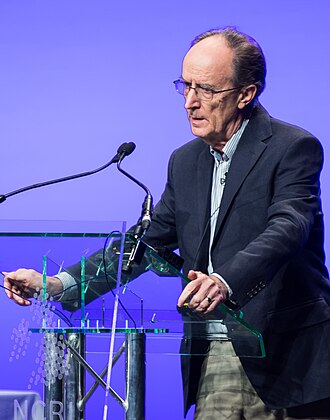
Mel Greaves
Professor of Cell Biology, ICR; Founding Director, Centre for Evolution and Cancer
Cancer evolutionChildhood leukaemiaCancer origins
Showed that childhood leukaemia begins before birth and framed cancer as an evolutionary process.
Mitch Dowsett
Professor of Biochemical Endocrinology, Institute of Cancer Research and Royal Marsden
Endocrine therapy biologyKi67 and biomarkersAromatase inhibitors
The translational scientist behind the aromatase inhibitor era and the Ki67 response test used in POETIC.
Naureen Starling
Consultant Medical Oncologist and Director of the Clinical Trials Unit, The Royal Marsden; Reader, The Institute of Cancer Research
Gastrointestinal cancerCirculating tumour DNAEarly-phase and translational trials
The Royal Marsden oncologist who runs the UK trial testing whether a blood test for leftover tumour DNA can decide who needs chemotherapy after bowel cancer surgery.
Nicholas James
Professor of Prostate and Bladder Cancer Research, ICR; Consultant Clinical Oncologist, Royal Marsden
Prostate cancerBladder cancerMulti-arm platform trials
Nicholas James is chief investigator of STAMPEDE, the platform trial that reshaped treatment of advanced prostate cancer.
Nicholas Turner
Professor of Molecular Oncology, ICR; Consultant Medical Oncologist, Royal Marsden
Breast cancerCirculating tumour DNAEndocrine resistance
Breast cancer researcher who turned ctDNA into a tool for choosing treatment, leading SERENA-6 and CAPItello-291.
Nicholas van As
Medical Director and Consultant Clinical Oncologist, The Royal Marsden NHS Foundation Trust; Professor in Precision Prostate Radiotherapy, The Institute of Cancer Research
Stereotactic body radiotherapy for prostate cancerImage-guided radiotherapyRadiotherapy trial design
The Royal Marsden oncologist who ran the trial that cut a four-week course of prostate radiotherapy to five treatments, and published the higher urinary side-effect rate alongside the good news.

Paul Workman
Harrap Professor of Pharmacology and Therapeutics, ICR; former Chief Executive
Drug discoveryMolecular pharmacologyKinase and chaperone inhibitors
Drug-discovery pioneer who built the ICR's Cancer Therapeutics Unit and championed the 'pharmacological audit trail'.
Rosalind Eeles
Professor of Oncogenetics, The Institute of Cancer Research; Consultant in Clinical Oncology and Cancer Genetics, The Royal Marsden NHS Foundation Trust
Inherited susceptibility to prostate cancerPolygenic risk scoresTargeted screening
The oncogeneticist who found most of the common genetic variants that raise a man's risk of prostate cancer, and whose work is the reason the UK's first prostate screening programme is defined by a gene rather than by an age.
Sanjay Popat
Chief Medical Officer and Consultant Medical Oncologist, The Royal Marsden NHS Foundation Trust; Professor of Thoracic Oncology, The Institute of Cancer Research
Thoracic oncologyTargeted therapy in lung cancerClinical trial design
The Royal Marsden thoracic oncologist, now its chief medical officer, who has been an investigator on most of the UK trials that put targeted drugs into lung cancer practice.
Stephen Johnston
Professor of Breast Cancer Medicine, Royal Marsden and Institute of Cancer Research
HR-positive breast cancerAdjuvant CDK4/6 inhibitionEndocrine resistance
Chief investigator of monarchE, the trial that added abemaciclib to adjuvant endocrine therapy for high-risk early breast cancer.
Uwe Oelfke
Head of Joint Department of Physics, ICR and Royal Marsden
Radiotherapy physicsMR-guided radiotherapyAdaptive radiotherapy
Uwe Oelfke is the radiotherapy physicist behind the Marsden's pioneering MR-linac programme.
rctAnnals of Oncology 2023166 citations
Results of the c-TRAK TN trial: a clinical trial utilising ctDNA mutation tracking to detect molecular residual disease and trigger intervention in patients with moderate- and high-risk early-stage triple-negative breast cancer
The first prospective test of acting on ctDNA in triple-negative disease, and a negative one: with a quarterly, single-mutation assay the window between detectable DNA and visible metastasis was too short to intervene. Later designs use tumour-informed assays, earlier sampling and drugs with more single-agent activity.
observationalJAMA Oncology 2019340 citations
Assessment of molecular relapse detection in early-stage breast cancer
For TNBC, where brain metastases are common, the blind spot matters: a negative ctDNA test does not exclude intracranial relapse.
rctThe Lancet 2019changed practice2,596 citations
KEYNOTE-048: pembrolizumab, alone or with chemotherapy, as first treatment for recurrent or metastatic head and neck cancer
Patients with head and neck squamous cell cancer that has recurred or spread should be treated first with pembrolizumab: alone if their tumour is strongly PD-L1 positive and they can wait for a slower response, or with chemotherapy if the tumour is bulky or PD-L1 low. Cetuximab-based chemotherapy is no longer the default. Long-term follow-up shows a small but real group of patients alive at four to five years, which was almost unheard of before.
rctNew England Journal of Medicine 2017changed practice1,340 citations
STAMPEDE: adding abiraterone to hormone therapy at diagnosis of advanced prostate cancer
Men diagnosed with prostate cancer that has already spread, or that is locally advanced and high risk, should start abiraterone (or another androgen-receptor pathway inhibitor) at the same time as testosterone suppression rather than waiting for resistance. This roughly halves the risk of death over several years. The same platform later showed that docetaxel chemotherapy and, in high-volume metastatic disease, triple therapy also help, and that abiraterone benefits men with high-risk disease treated with radiotherapy.
translationalScience Translational Medicine 2015923 citations
Mutation tracking in circulating tumor DNA predicts relapse in early breast cancer
The proof-of-principle paper for molecular residual disease in breast cancer, and the origin of the personalised digital PCR approach that c-TRAK TN later tested prospectively in TNBC.
rctNew England Journal of Medicine 2015changed practice1,790 citations
TOPARP-A: DNA-repair defects and olaparib in metastatic prostate cancer
The first molecularly stratified treatment in prostate cancer, and the proof that the synthetic lethality that works in ovarian and breast cancer works here too. Every PARP inhibitor now licensed in prostate cancer traces back to this trial.
rctJournal of Clinical Oncology 2008changed practice681 citations
Phase 1 trial of abiraterone acetate confirms that castration-resistant prostate cancer commonly remains hormone driven
The proof, in people, that castration-resistant prostate cancer is usually still androgen-driven. It renamed the disease (hormone-refractory became castration-resistant) and it opened the line of drugs that now dominate treatment at every stage from first diagnosis of metastatic disease onwards.
Similar pages
- TechnologyHypofractionated radiotherapy
Shares FAST (5-fraction whole-breast radiotherapy), IMPORT LOW, START-A (UK Standardisation of Breast Radiotherapy, trial A), START-B (UK Standardisation of Breast Radiotherapy).
- TermAlpha/beta ratio
Shares FAST (5-fraction whole-breast radiotherapy), START-A (UK Standardisation of Breast Radiotherapy, trial A), START-B (UK Standardisation of Breast Radiotherapy), CHHiP.
- TermHypofractionation (fewer, larger radiotherapy doses)
Shares FAST (5-fraction whole-breast radiotherapy), START-A (UK Standardisation of Breast Radiotherapy, trial A), START-B (UK Standardisation of Breast Radiotherapy), CHHiP.
- IdeaRegional translational institutes with academic GMP suites and IND teams
Shares Paul Workman, Scale up public drug development that takes academic assets to phase 1, The valley of death between lab and product, Cancer Research UK.
- TrialTRACC
Shares Ian Chau, Naureen Starling, The Royal Marsden.
cancers
drugs
ApprovedSmall-molecule CYP17A1 inhibitor
Abiraterone acetate · Zytiga (generic)
ApprovedSmall-molecule AKT inhibitor
Capivasertib · Truqap
ApprovedSmall-molecule PARP inhibitor
Olaparib · Lynparza
institutions
pathways
terms
trials
ideas
A non-profit phase 1b combination unit that any drug owner can useA precompetitive consortium for the twenty hardest cancer targetsAn open map of which cancer proteins any drug can stick toAttack the backup copy when a tumour has lost the original geneCore-funded radiotherapy trials infrastructure with central quality assuranceMRI-first prostate screening with genetic pre-selectionScale up public drug development that takes academic assets to phase 1Use a polygenic risk score to set when screening starts
people
bottlenecks
key papers
Assessment of molecular relapse detection in early-stage breast cancerKEYNOTE-048: pembrolizumab, alone or with chemotherapy, as first treatment for recurrent or metastatic head and neck cancerMutation tracking in circulating tumor DNA predicts relapse in early breast cancerPhase 1 trial of abiraterone acetate confirms that castration-resistant prostate cancer commonly remains hormone drivenResults of the c-TRAK TN trial: a clinical trial utilising ctDNA mutation tracking to detect molecular residual disease and trigger intervention in patients with moderate- and high-risk early-stage triple-negative breast cancerSTAMPEDE: adding abiraterone to hormone therapy at diagnosis of advanced prostate cancerTOPARP-A: DNA-repair defects and olaparib in metastatic prostate cancer
Open-source projects
All open source in oncology →Open-source projects that this organisation maintains, from OnCo's own catalogue: licence and last activity as the repository reported them on the day of the fetch. Listing is not endorsement; check the licence before reuse and the validation before clinical use.
Expert reviews of chemical probes for protein targets so researchers pick well-validated tools, from the Institute of Cancer Research and partners.