Loading
journalsJournal
Nature Reviews Clinical Oncology
Commissioned clinical reviews for oncologists: treatment landscapes, biomarker strategies and trial-design critique, with the highest impact factor of any oncology journal.
Also called: Nat Rev Clin Oncol
Overview
Nature Reviews Clinical Oncology (Nat Rev Clin Oncol) is a monthly review-only journal from Springer Nature, launched in 2004 as Nature Clinical Practice Oncology and renamed in 2009, and it holds the highest impact factor of any oncology journal. It publishes commissioned clinical reviews for oncologists on treatment landscapes, biomarker strategies and trial-design critique, including Perspectives on treatment paradigms, drug classes such as ADCs and bispecifics, trial methodology and health policy, plus Year in Review pieces. It does not carry primary trials. Within OnCo it is linked from the biographies of Klaus Pantel, Alan Ashworth, Sapna Patel, Jason Luke, Sattva Neelapu and Ignacio Melero, and a reader would use it for an authoritative summary of where a treatment field stands.
Publisher
Springer Nature
Scope
clinical oncology
Website
Founded
2004
ISSN
1759-4774
Impact factor (2023)
81.1 · Clarivate Journal Citation Reports 2024 (2023 JIF)
review2023457 citations
Shalhout 2023: what the approved oncolytic viruses actually do in practice
The honest summary of the field after its first approval: a tolerable class of agents, a large number of candidates, and one product in routine use in one disease. The distinction the review keeps making, between viruses that replicate in the tumour and viruses used only to deliver a gene, is the distinction most coverage of this field drops.
review2022684 citations
Senescence and cancer - role and therapeutic opportunities
One pathway page on OnCo cites this paper by its DOI; this record gives the citation a page of its own so a reader can follow it without leaving OnCo. Read the abstract above alongside the citing page listed under Related; the record was created automatically from the Europe PMC entry and its figures have not been checked by hand.
review2022876 citations
The MYC oncogene - the grand orchestrator of cancer growth and immune evasion
One pathway page on OnCo cites this paper by its DOI; this record gives the citation a page of its own so a reader can follow it without leaving OnCo. Read the abstract above alongside the citing page listed under Related; the record was created automatically from the Europe PMC entry and its figures have not been checked by hand.
review20211,583 citations
EANO guidelines on the diagnosis and treatment of diffuse gliomas of adulthood
One of the most cited papers Europe PMC returns for Olivier L. Chinot at Hôpital de la Timone, Assistance Publique-Hôpitaux de Marseille, so it is a natural starting point for reading their work. The record was linked automatically from the author list and affiliation; read the abstract above and the paper itself before relying on any figure.
review20201,035 citations
The tumour microenvironment in pancreatic cancer: clinical challenges and opportunities
The reference for why pancreatic microenvironment trials read as a list of failures and what the field now means by remodelling rather than removing the stroma.
review2017283 citations
The high price of anticancer drugs: origins, implications, barriers, solutions
One bottleneck page and 21 idea pages on OnCo cite this paper by its DOI; this record gives the citation a page of its own so a reader can follow it without leaving OnCo. Read the abstract above alongside the citing pages listed under Related; the record was created automatically from the Europe PMC entry and its figures have not been checked by hand.
Alan Ashworth
President, UCSF Helen Diller Family Comprehensive Cancer Center
DNA repairSynthetic lethalityBRCA
Co-discovered that BRCA-deficient cancers die when PARP is blocked, the idea behind an entire drug class.
Denis Lacombe
Chief Executive Officer, EORTC
Clinical trial methodologyAcademic research infrastructureHealth policy
Denis Lacombe leads Europe's academic cancer trials organisation.
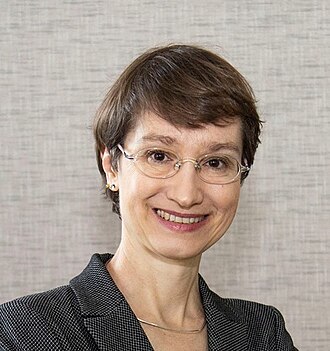
Elisabete Weiderpass
Director, International Agency for Research on Cancer (WHO)
Cancer epidemiologyGlobal cancer burdenPrevention
Leads the WHO's cancer research agency, which classifies carcinogens and publishes the world's cancer statistics.
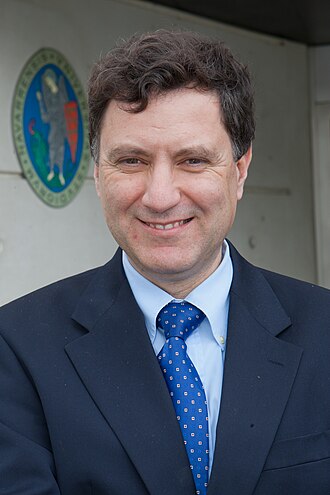
Ignacio Melero
Professor of Immunology, Universidad de Navarra; Senior Consultant, Clínica Universidad de Navarra
Tumour immunologyIntratumoural immunotherapyCostimulatory agonists (CD137, OX40)
Spanish immunologist who pioneered CD137 agonist antibodies and intratumoural immunotherapy.
Janet Dancey
Director, Canadian Cancer Trials Group; Professor of Oncology, Queen's University
Clinical trialsPrecision oncologyDrug development
Runs Canada's academic cancer trials network, which has led practice-changing trials from PA.3 to CO.17 and beyond.
Jason J. Luke
Director, Cancer Immunotherapeutics Center, UPMC Hillman Cancer Center
MelanomaAdjuvant immunotherapyEarly-phase immunotherapy
Led KEYNOTE-716, which extended adjuvant pembrolizumab to high-risk stage II melanoma.
John Stagg
Director of the Rosalind and Morris Goodman Cancer Institute
Cancer immunotherapyImmuno-oncologyTherapeutic target discovery
Immunologist who studies why tumours resist immunotherapy and directs the Goodman Cancer Institute, McGill University's cancer research institute in Montreal.
Karolina Palucka
Director, JAX Cancer Center, The Jackson Laboratory
Human immunologyCancer immunotherapyDendritic cell vaccines
Immunologist who directs the NCI-designated JAX Cancer Center at The Jackson Laboratory and holds its Edison T. Liu Endowed Chair in Cancer Research.
Klaus Pantel
Director, Institute of Tumor Biology, UKE Hamburg
Liquid biopsyCirculating tumour cellsMinimal residual disease
Klaus Pantel is a pioneer of circulating tumour cell research and the liquid biopsy field.
Lei Zheng
Executive Director, Mays Cancer Center, and Vice President for Oncology, UT Health San Antonio
Medical oncologyCancer immunologyCancer centre leadership
Physician-scientist who is Executive Director of the Mays Cancer Center at UT Health San Antonio, the only NCI-designated cancer centre in South Texas.
Michael Weller
Chair, Department of Neurology, University Hospital Zurich; Chair, EORTC Brain Tumor Group
Neuro-oncologyGliomaClinical trials
Neuro-oncologist who leads the EORTC Brain Tumor Group and co-authors the European glioma guidelines.
Olivier L. Chinot
Neuro-oncologist, Aix-Marseille University and Hôpital de la Timone
GlioblastomaAnti-angiogenic therapyNeuro-oncology trials
Marseille neuro-oncologist who was lead author of AVAglio, the trial that showed adding bevacizumab to standard glioblastoma treatment delays progression but does not lengthen life.
Ralf C. Bargou
Director of the Comprehensive Cancer Center Mainfranken
Translational oncologyHaematology and oncologyCancer centre leadership
Professor of translational oncology who directs the Comprehensive Cancer Center Mainfranken at University Hospital Würzburg.
Ralph Weichselbaum
Executive Committee Member
Radiation oncologyOligometastasisRadiation and immunotherapy
Radiation oncologist at the University of Chicago known for the oligometastasis concept and for research linking radiation with anti-tumour immunity.
Sapna P. Patel
Professor of Medicine and Director of Melanoma Medical Oncology, University of Colorado Cancer Center
MelanomaNeoadjuvant immunotherapyUveal melanoma
Led SWOG S1801, the trial that showed giving pembrolizumab before surgery, not just after, improves outcomes in melanoma.
Sattva S. Neelapu
Professor and Deputy Chair, Department of Lymphoma and Myeloma, MD Anderson Cancer Center
CAR T-cell therapyLymphomaCAR-T toxicity management
Led ZUMA-1, the trial that made axicabtagene ciloleucel the first CAR-T therapy approved for lymphoma.
Tari A. King
President-Elect
Breast surgical oncologyBreast cancerLobular carcinoma
Breast surgical oncologist at Winship Cancer Institute and President-Elect of the Society of Surgical Oncology, known for research on lobular breast cancer and surgical de-escalation.
reviewNature Reviews Clinical Oncology 2023457 citations
Shalhout 2023: what the approved oncolytic viruses actually do in practice
The honest summary of the field after its first approval: a tolerable class of agents, a large number of candidates, and one product in routine use in one disease. The distinction the review keeps making, between viruses that replicate in the tumour and viruses used only to deliver a gene, is the distinction most coverage of this field drops.
reviewNature Reviews Clinical Oncology 2022684 citations
Senescence and cancer - role and therapeutic opportunities
One pathway page on OnCo cites this paper by its DOI; this record gives the citation a page of its own so a reader can follow it without leaving OnCo. Read the abstract above alongside the citing page listed under Related; the record was created automatically from the Europe PMC entry and its figures have not been checked by hand.
reviewNature Reviews Clinical Oncology 2022876 citations
The MYC oncogene - the grand orchestrator of cancer growth and immune evasion
One pathway page on OnCo cites this paper by its DOI; this record gives the citation a page of its own so a reader can follow it without leaving OnCo. Read the abstract above alongside the citing page listed under Related; the record was created automatically from the Europe PMC entry and its figures have not been checked by hand.
reviewNature Reviews Clinical Oncology 20211,583 citations
EANO guidelines on the diagnosis and treatment of diffuse gliomas of adulthood
One of the most cited papers Europe PMC returns for Olivier L. Chinot at Hôpital de la Timone, Assistance Publique-Hôpitaux de Marseille, so it is a natural starting point for reading their work. The record was linked automatically from the author list and affiliation; read the abstract above and the paper itself before relying on any figure.
reviewNature Reviews Clinical Oncology 20201,035 citations
The tumour microenvironment in pancreatic cancer: clinical challenges and opportunities
The reference for why pancreatic microenvironment trials read as a list of failures and what the field now means by remodelling rather than removing the stroma.
reviewNature Reviews Clinical Oncology 2017283 citations
The high price of anticancer drugs: origins, implications, barriers, solutions
One bottleneck page and 21 idea pages on OnCo cite this paper by its DOI; this record gives the citation a page of its own so a reader can follow it without leaving OnCo. Read the abstract above alongside the citing pages listed under Related; the record was created automatically from the Europe PMC entry and its figures have not been checked by hand.
people
key papers
EANO guidelines on the diagnosis and treatment of diffuse gliomas of adulthoodSenescence and cancer - role and therapeutic opportunitiesShalhout 2023: what the approved oncolytic viruses actually do in practiceThe high price of anticancer drugs: origins, implications, barriers, solutionsThe MYC oncogene - the grand orchestrator of cancer growth and immune evasionThe tumour microenvironment in pancreatic cancer: clinical challenges and opportunities