Loading
journalsJournal
The Lancet Haematology
The Lancet Haematology is the Lancet's haematology journal, publishing phase 2 and 3 trials in leukaemia, lymphoma and myeloma, transplant studies and global-access commentary on blood cancers.
Also called: Lancet Haematol
Overview
The Lancet Haematology (Lancet Haematol) is the Lancet's haematology journal, appearing monthly since 2014 and published by Elsevier on a hybrid model. It publishes randomised and single-arm phase 2 and 3 trials in leukaemia, lymphoma and myeloma, including CAR-T and bispecific follow-up and MDS and myelofibrosis studies, together with transplant studies, long-term outcomes, Commissions on haematological care in low-income settings and global-access commentary on blood cancers. Its readers are haematologists and trialists who follow the clinical evidence in blood cancers. Within OnCo it is the journal of the phase 1/2 paper on talicabtagene autoleucel for relapsed or refractory B-cell malignancies, and it is where a reader would look for CAR-T and bispecific trial follow-up.
Publisher
Elsevier
Scope
haematology
Access model
hybrid
Founded
2014
ISSN
2352-3026
Impact factor (2023)
15.4 · Clarivate Journal Citation Reports 2024 (2023 JIF)
rct2025changed practice10 citations
Talicabtagene autoleucel for relapsed or refractory B-cell malignancies: an open-label, multicentre, phase 1/2 study
A lower-middle-income country can design, manufacture, trial and approve an autologous CAR-T therapy. Response rates are in the range of first-generation Western products in similar mixed populations, at a price an order of magnitude lower, which reopens the question of what CAR-T should cost everywhere.
rct202469 citations
Sabatolimab plus hypomethylating agents in previously untreated patients with higher-risk myelodysplastic syndromes (STIMULUS-MDS1): a randomised, double-blind, placebo-controlled, phase 2 trial
One target page on OnCo cites this paper by its DOI; this record gives the citation a page of its own so a reader can follow it without leaving OnCo. Read the abstract above alongside the citing page listed under Related; the record was created automatically from the Europe PMC entry and its figures have not been checked by hand.
observational202196 citations
Zanubrutinib, obinutuzumab, and venetoclax with minimal residual disease-driven discontinuation in previously untreated patients with chronic lymphocytic leukaemia or small lymphocytic lymphoma: a multicentre, single-arm, phase 2 trial
One of the most cited trial reports Europe PMC returns for Zanubrutinib in Chronic lymphocytic leukaemia, so it is a natural first reading for anyone weighing the idea it is linked from. The record was linked automatically by title and abstract; read the abstract above and the paper itself before relying on any figure.
rct2020285 citations
Ropeginterferon alfa-2b versus standard therapy for polycythaemia vera (PROUD-PV and CONTINUATION-PV): a randomised, non-inferiority, phase 3 trial and its extension study
One trial page on OnCo cites this paper by its DOI; this record gives the citation a page of its own so a reader can follow it without leaving OnCo. Read the abstract above alongside the citing page listed under Related; the record was created automatically from the Europe PMC entry and its figures have not been checked by hand.
rct2019270 citations
A combination of humanised anti-CD19 and anti-BCMA CAR T cells in patients with relapsed or refractory multiple myeloma: a single-arm, phase 2 trial
One of the most cited trial reports Europe PMC returns for CD19 in Multiple myeloma, so it is a natural first reading for anyone weighing the idea it is linked from. The record was linked automatically by title and abstract; read the abstract above and the paper itself before relying on any figure.
observational2018changed practice83 citations
EsPhALL2010: continuous imatinib with chemotherapy in paediatric Philadelphia chromosome-positive ALL
Continuous imatinib from induction lets many children with Philadelphia-positive ALL avoid transplant, but the intensive BFM backbone is toxic; later trials reduced chemotherapy intensity under tyrosine kinase inhibitor cover.
rct2017changed practice283 citations
IELSG32 second randomisation: whole-brain radiotherapy or autologous stem cell transplant as consolidation in primary CNS lymphoma
Autologous transplant is an effective consolidation that avoids the neurotoxicity of whole-brain radiotherapy, and IELSG43 later showed it beats non-myeloablative consolidation.
rct2016changed practice471 citations
IELSG32 first randomisation: the MATRix regimen (methotrexate, cytarabine, thiotepa, rituximab) in primary CNS lymphoma
MATRix became the reference induction for fit patients with primary CNS lymphoma and the control arm of later randomised trials.
Ajai Chari
Director of the Multiple Myeloma Program, UCSF Helen Diller Family Comprehensive Cancer Center
Multiple myelomaBispecific antibodiesGPRC5D-targeted therapy
Led the pivotal talquetamab trial, establishing GPRC5D as the second bispecific target in myeloma.
Andrés J. M. Ferreri
Head of the Lymphoma Unit, IRCCS San Raffaele Scientific Institute, Milan
Primary CNS lymphomaExtranodal lymphomasHigh-dose methotrexate regimens
Led the IELSG trials that made MATRix induction and consolidation the standard for primary CNS lymphoma.
Benjamin Kasenda
Senior Physician, Medical Oncology and Haematology (Tumour Centre)
Primary CNS lymphomaGastrointestinal tumoursHaematology-oncology
Basel haematologist-oncologist who co-led phase 2 trials of high-dose chemotherapy and autologous transplant in primary CNS lymphoma.
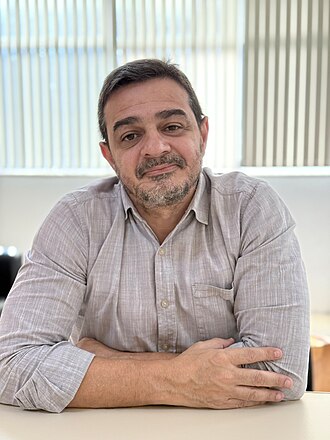
Elias Jabbour
Professor of Leukemia, MD Anderson Cancer Center
Adult acute lymphoblastic leukaemiaAntibody and bispecific therapyChemotherapy-free regimens
Leukaemia specialist who built chemotherapy-light regimens combining inotuzumab, blinatumomab and ponatinib for adult ALL.
Elisabeth Schorb
Director and Spokesperson of the Tumorzentrum Freiburg - CCCF
Haematology and oncologyClinical trialsCancer centre leadership
Internal medicine oncologist who directs the Comprehensive Cancer Center Freiburg and heads its clinical trials unit.
Gaurav Narula
Professor of Paediatric Oncology, Tata Memorial Hospital
Paediatric oncologyChildhood leukaemiaCAR-T cell therapy
A paediatric oncologist at Tata Memorial who led the leukaemia arm of India's first CAR-T trials and runs national childhood leukaemia protocols.
Hasmukh Jain
Professor of Medical Oncology (adult haematolymphoid), Tata Memorial Hospital
LymphomaAcute leukaemiaCAR-T cell therapy
First author of the phase 1/2 trial of India's first CAR-T therapy, which treated adults with relapsed lymphoma and leukaemia at six Indian centres.
Jürgen Kuball
Daily Board member, Strategic Program Cancer
HaematologyCellular immunotherapyStem cell transplantation
Utrecht haematologist and immunotherapy researcher on the daily board of UMC Utrecht's cancer programme, known for gamma-delta T cell receptor-engineered cell therapies.
Martin Bornhäuser
Managing Director (Geschäftsführender Direktor); Director, Medizinische Klinik und Poliklinik I
HaematologyStem cell transplantationAcute myeloid leukaemia
Dresden haematologist and transplant physician who co-directs the NCT/UCC Dresden cancer centre and leads AML transplant trials.
Norbert Vey
Directeur Général (Director General) of Institut Paoli-Calmettes
HaematologyLeukaemiaCancer centre management
Haematologist specialising in leukaemia who has directed Institut Paoli-Calmettes, the Marseille comprehensive cancer centre, since May 2022.
Rahul Purwar
Professor, Department of Biosciences and Bioengineering, IIT Bombay; founder, ImmunoACT
CAR-T cell engineeringImmunologyCell therapy manufacturing
The IIT Bombay immunologist whose laboratory designed India's first approved CAR-T therapy and who founded the company that makes it for a fraction of Western prices.
Ruben Mesa
Executive Director, Atrium Health Wake Forest Baptist Comprehensive Cancer Center, and President of the Cancer Service Line
Haematology and oncologyCancer centre leadershipAcademic medicine
Physician who is Executive Director of the NCI-designated Atrium Health Wake Forest Baptist Comprehensive Cancer Center in Winston-Salem and President of its cancer service line.
Valdas Pečeliūnas
Director, National Cancer Institute (Nacionalinis vėžio institutas), Vilnius
OncologyCancer institute managementCancer research
Director who leads the National Cancer Institute in Vilnius, Lithuania's national specialist cancer treatment and research institute.
rctLancet Haematology 2025changed practice10 citations
Talicabtagene autoleucel for relapsed or refractory B-cell malignancies: an open-label, multicentre, phase 1/2 study
A lower-middle-income country can design, manufacture, trial and approve an autologous CAR-T therapy. Response rates are in the range of first-generation Western products in similar mixed populations, at a price an order of magnitude lower, which reopens the question of what CAR-T should cost everywhere.
rctThe Lancet Haematology 202469 citations
Sabatolimab plus hypomethylating agents in previously untreated patients with higher-risk myelodysplastic syndromes (STIMULUS-MDS1): a randomised, double-blind, placebo-controlled, phase 2 trial
One target page on OnCo cites this paper by its DOI; this record gives the citation a page of its own so a reader can follow it without leaving OnCo. Read the abstract above alongside the citing page listed under Related; the record was created automatically from the Europe PMC entry and its figures have not been checked by hand.
observationalThe Lancet Haematology 202196 citations
Zanubrutinib, obinutuzumab, and venetoclax with minimal residual disease-driven discontinuation in previously untreated patients with chronic lymphocytic leukaemia or small lymphocytic lymphoma: a multicentre, single-arm, phase 2 trial
One of the most cited trial reports Europe PMC returns for Zanubrutinib in Chronic lymphocytic leukaemia, so it is a natural first reading for anyone weighing the idea it is linked from. The record was linked automatically by title and abstract; read the abstract above and the paper itself before relying on any figure.
rctThe Lancet Haematology 2020285 citations
Ropeginterferon alfa-2b versus standard therapy for polycythaemia vera (PROUD-PV and CONTINUATION-PV): a randomised, non-inferiority, phase 3 trial and its extension study
One trial page on OnCo cites this paper by its DOI; this record gives the citation a page of its own so a reader can follow it without leaving OnCo. Read the abstract above alongside the citing page listed under Related; the record was created automatically from the Europe PMC entry and its figures have not been checked by hand.
rctThe Lancet Haematology 2019270 citations
A combination of humanised anti-CD19 and anti-BCMA CAR T cells in patients with relapsed or refractory multiple myeloma: a single-arm, phase 2 trial
One of the most cited trial reports Europe PMC returns for CD19 in Multiple myeloma, so it is a natural first reading for anyone weighing the idea it is linked from. The record was linked automatically by title and abstract; read the abstract above and the paper itself before relying on any figure.
observationalThe Lancet Haematology 2018changed practice83 citations
EsPhALL2010: continuous imatinib with chemotherapy in paediatric Philadelphia chromosome-positive ALL
Continuous imatinib from induction lets many children with Philadelphia-positive ALL avoid transplant, but the intensive BFM backbone is toxic; later trials reduced chemotherapy intensity under tyrosine kinase inhibitor cover.
rctThe Lancet Haematology 2017changed practice283 citations
IELSG32 second randomisation: whole-brain radiotherapy or autologous stem cell transplant as consolidation in primary CNS lymphoma
Autologous transplant is an effective consolidation that avoids the neurotoxicity of whole-brain radiotherapy, and IELSG43 later showed it beats non-myeloablative consolidation.
rctThe Lancet Haematology 2016changed practice471 citations
IELSG32 first randomisation: the MATRix regimen (methotrexate, cytarabine, thiotepa, rituximab) in primary CNS lymphoma
MATRix became the reference induction for fit patients with primary CNS lymphoma and the control arm of later randomised trials.
Similar pages
- TrialIELSG32
Shares IELSG32 second randomisation: whole-brain radiotherapy or autologous stem cell transplant as consolidation in primary CNS lymphoma, IELSG32 first randomisation: the MATRix regimen (methotrexate, cytarabine, thiotepa, rituximab) in primary CNS lymphoma.
- TreatmentThiotepa
Shares IELSG32 second randomisation: whole-brain radiotherapy or autologous stem cell transplant as consolidation in primary CNS lymphoma, IELSG32 first randomisation: the MATRix regimen (methotrexate, cytarabine, thiotepa, rituximab) in primary CNS lymphoma.
- JournalInternational journal of clinical oncology
Shares Randomised trial, Clinical trial.
- TermBlinded trial
Shares Randomised trial, Clinical trial.
terms
people
key papers
A combination of humanised anti-CD19 and anti-BCMA CAR T cells in patients with relapsed or refractory multiple myeloma: a single-arm, phase 2 trialEsPhALL2010: continuous imatinib with chemotherapy in paediatric Philadelphia chromosome-positive ALLIELSG32 first randomisation: the MATRix regimen (methotrexate, cytarabine, thiotepa, rituximab) in primary CNS lymphomaIELSG32 second randomisation: whole-brain radiotherapy or autologous stem cell transplant as consolidation in primary CNS lymphomaRopeginterferon alfa-2b versus standard therapy for polycythaemia vera (PROUD-PV and CONTINUATION-PV): a randomised, non-inferiority, phase 3 trial and its extension studySabatolimab plus hypomethylating agents in previously untreated patients with higher-risk myelodysplastic syndromes (STIMULUS-MDS1): a randomised, double-blind, placebo-controlled, phase 2 trialTalicabtagene autoleucel for relapsed or refractory B-cell malignancies: an open-label, multicentre, phase 1/2 studyZanubrutinib, obinutuzumab, and venetoclax with minimal residual disease-driven discontinuation in previously untreated patients with chronic lymphocytic leukaemia or small lymphocytic lymphoma: a multicentre, single-arm, phase 2 trial